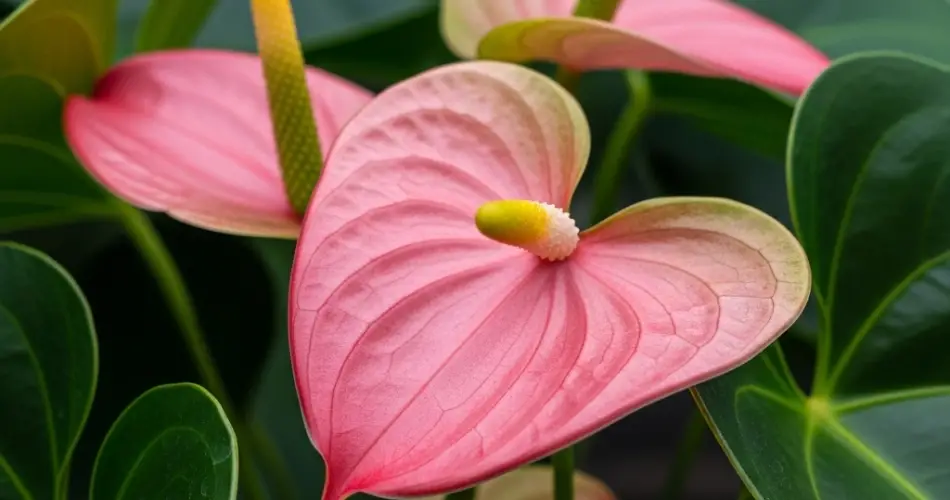
Anthuriums, often referred to as flamingo flowers or laceleaf, are tropical plants renowned for their vibrant, heart-shaped spathes and glossy foliage. Beyond their striking appearance, these plants offer several benefits and are relatively easy to care for, making them a popular choice for indoor gardening enthusiasts.
Benefits of Anthurium Plants
1. Air Purification
Anthuriums are known to improve indoor air quality. They can absorb airborne toxins such as formaldehyde, ammonia, toluene, and xylene, contributing to a healthier living environment.
2. Stress Reduction
Having anthuriums in your home can help reduce stress levels. Their presence has been associated with increased feelings of relaxation and well-being, even without direct interaction.
3. Allergy Relief
These plants can trap dust and other allergens on their leaves, potentially alleviating allergy symptoms. Regularly wiping the leaves can enhance this benefit.
4. Aesthetic Appeal
With their vibrant colors and unique shapes, anthuriums add a touch of elegance and tropical flair to any indoor space. They can complement various interior design styles, from modern to bohemian.
5. Symbolism and Feng Shui
In Feng Shui, anthuriums are considered symbols of hospitality and happiness. Their red spathes are associated with love and passion, making them meaningful additions to homes and offices.
Caring for Your Anthurium
Light Requirements
Anthuriums thrive in bright, indirect light. Direct sunlight can scorch their leaves, while too little light may hinder blooming. Placing them near an east or north-facing window is ideal.
Watering
These plants prefer consistently moist soil but are susceptible to root rot if overwatered. Allow the top inch of soil to dry out between waterings. Use room-temperature water to avoid shocking the roots.
Humidity and Temperature
Anthuriums are native to tropical environments and thus prefer high humidity levels (60-80%) and temperatures between 65°F and 80°F (18°C to 27°C). Using a humidifier or placing the plant on a pebble tray with water can help maintain adequate humidity.
Soil and Fertilization
A well-draining, acidic soil mix is best for anthuriums. A combination of potting soil with perlite or orchid mix works well. Fertilize every 6-8 weeks during the growing season with a phosphorus-rich fertilizer to encourage blooming.
Pruning and Maintenance
Regularly remove dead or yellowing leaves to promote healthy growth. Wiping the leaves with a damp cloth not only keeps the plant looking its best but also enhances its air-purifying capabilities.
Repotting
Anthuriums should be repotted every 2-3 years or when they outgrow their current pot. Spring or summer is the best time for repotting, as the plant is actively growing.
Common Issues and Solutions
Yellowing Leaves
This can result from overwatering or insufficient light. Ensure the plant receives adequate indirect light and allow the soil to dry slightly between waterings.
Brown Leaf Tips
Often a sign of low humidity or excessive fertilizer salts. Increase humidity around the plant and flush the soil periodically to remove salt buildup.
Pests
Anthuriums can be susceptible to pests like aphids, mealybugs, and spider mites. Regularly inspect the plant and treat infestations promptly with insecticidal soap or neem oil
Conclusion
Anthuriums are more than just beautiful houseplants; they offer health benefits, enhance indoor air quality, and add a touch of tropical elegance to any space. With proper care, these plants can thrive indoors, providing vibrant blooms and lush foliage year-round. Whether you’re a seasoned gardener or a beginner, incorporating an anthurium into your home can be a rewarding experience.


