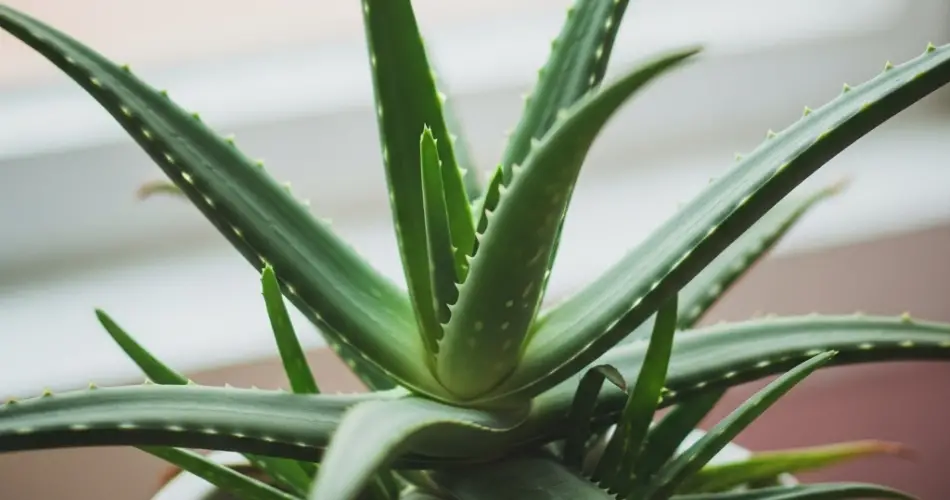
Aloe vera is one of the most popular succulent plants in the world, prized not only for its beauty but also for its soothing, medicinal properties. Known for its thick, fleshy leaves filled with gel, aloe is a resilient and attractive plant that’s easy to care for indoors or outdoors. However, understanding its basic needs is essential to help it thrive.
Whether you’re growing aloe vera for its healing gel or as a stylish low-maintenance houseplant, here’s a complete guide on lighting, watering, and repotting it the right way.
Ideal Light for Aloe Vera
Aloe vera loves sunlight and needs plenty of it to stay healthy and grow strong. This desert native is accustomed to bright, direct sun in its natural environment, and mimicking that indoors is key to its success.
Indoors:
Place your aloe vera near a south- or west-facing window where it can get at least 6 hours of bright, indirect or direct sunlight each day. If natural light is limited, consider using a grow light to supplement. Without enough light, aloe plants can become leggy, pale, and may stop growing altogether.
Outdoors:
If you’re growing aloe vera outside, make sure it receives full sun. However, if you’re moving a plant from indoors to outdoors, do it gradually over several days to avoid sunburn. The leaves can scorch if suddenly exposed to intense sunlight after being kept in low light.
Signs of too little light:
-
Pale or yellowing leaves
-
Droopy or stretched appearance
Signs of too much sun (especially in hot climates):
-
Brown or scorched leaf tips
-
Dry, shriveled leaves
Watering Aloe Vera the Right Way
One of the most common mistakes people make with aloe vera is overwatering. As a succulent, aloe stores water in its leaves and can go without watering for extended periods.
Watering Tips:
-
Let the soil dry out completely between waterings.
-
Water deeply until it drains from the bottom of the pot, then discard excess water.
-
During spring and summer, water every 2–3 weeks depending on indoor temperature and humidity.
-
In fall and winter, reduce watering to once a month or even less, as aloe enters a dormant period.
What to avoid:
-
Don’t let the plant sit in standing water.
-
Never water on a fixed schedule—always check the soil first.
-
Avoid getting water trapped in the center of the rosette, as it can cause rot.
Signs of overwatering:
-
Mushy, soft, or translucent leaves
-
Foul smell from the soil
-
Yellowing leaves starting from the base
Signs of underwatering:
-
Wrinkled, curling leaves
-
Dried or brown tips
Choosing the Right Soil and Pot
Aloe vera needs excellent drainage to prevent root rot. The best choice is a well-draining cactus or succulent potting mix. You can also make your own by mixing:
-
2 parts potting soil
-
1 part sand or perlite
-
1 part pumice or coarse gravel
Use a pot with drainage holes, ideally made of terracotta or clay, which allows the soil to dry more quickly.
When and How to Repot Aloe Vera
Repotting aloe vera isn’t something you’ll need to do often, but it becomes necessary when:
-
The plant outgrows its pot
-
Roots are circling the pot or growing out of the drainage holes
-
The soil is compacted and no longer draining well
-
You want to refresh the plant’s growing medium
Best time to repot:
Spring or early summer, when the plant is actively growing.
Steps for repotting:
-
Gently remove the plant from its current pot.
-
Shake off excess soil and inspect the roots. Trim any dead or mushy roots.
-
Place the plant in a new pot that’s 1–2 inches wider than the old one.
-
Fill around it with fresh succulent soil, leaving the base of the leaves above the soil line.
-
Wait 3–5 days before watering to allow any root damage to heal.
Bonus Tip: Propagating Aloe Pups
Mature aloe plants often produce small offshoots or “pups” around the base. These can be separated and planted in their own pots:
-
Gently remove the pup with some roots attached.
-
Allow it to dry for a day or two before planting.
-
Place in a small pot with succulent mix and water sparingly.
Final Thoughts
Aloe vera is a hardy, forgiving plant that brings both aesthetic and practical benefits to your home. With proper light, careful watering, and occasional repotting, it will stay healthy and productive for years. Whether placed on a sunny windowsill or on your patio, aloe vera is both beautiful and beneficial—a perfect plant for beginners and experts alike.


