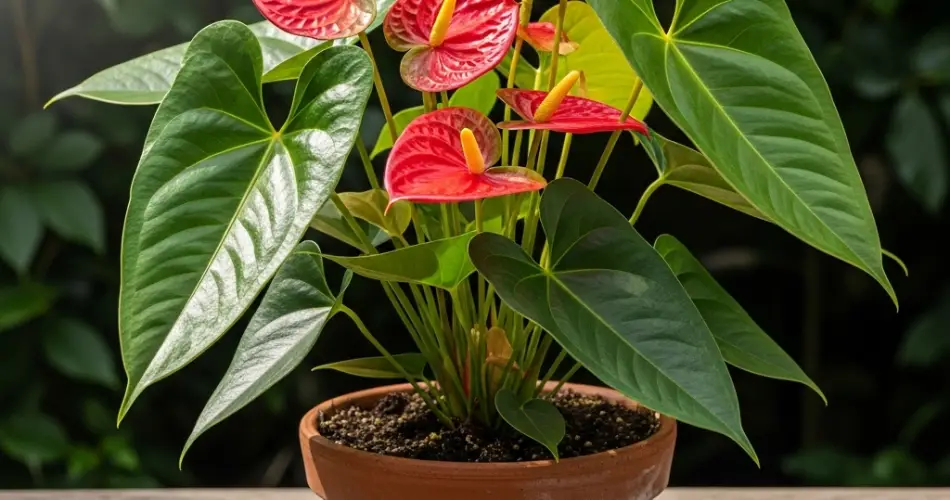
Anthuriums are prized houseplants known for their heart-shaped, glossy leaves and striking spathes that come in shades of red, pink, white, or green. While they are not overly difficult to care for, keeping them truly thriving indoors requires more than just the basics. If you want your anthurium to stay lush, bloom repeatedly, and maintain its tropical vibrance, it’s important to master a few advanced techniques that go beyond watering and light placement.
Here’s a guide to elevating your anthurium care and ensuring it flourishes in your home environment.
Perfecting Light Exposure
Light is one of the most crucial factors for anthurium health. These plants are native to tropical rainforests where they grow beneath filtered canopies.
-
Bright, indirect light is key: Place your plant near an east- or north-facing window where it gets bright but diffused sunlight. If placed in a south or west window, use a sheer curtain to soften the rays.
-
Boosting with grow lights: In darker homes, a full-spectrum grow light can supplement natural light. Aim for 10–12 hours of consistent light daily for continuous growth and blooming.
-
Watch the leaves: Yellowing leaves may signal too much direct light, while slow or leggy growth suggests insufficient light.
Mastering Watering Routines
Anthuriums dislike extremes—both drought and waterlogging can stress the plant.
-
Moist, not soggy soil: Water when the top 1–2 inches of soil feel dry. Use your finger or a moisture meter to check before watering.
-
Use room-temperature water: Cold water can shock the roots. Lukewarm water mimics their natural environment.
-
Drainage is essential: Always use pots with drainage holes. Empty saucers after watering to prevent root rot.
For more advanced care, consider bottom watering once in a while. Place the pot in a shallow tray of water for 15–20 minutes so the roots absorb moisture evenly.
Humidity Control
As rainforest natives, anthuriums thrive in high humidity, ideally between 60–80%. Indoor environments, especially in winter, often fall short.
-
Pebble trays: Place the pot over a tray filled with water and pebbles to increase local humidity.
-
Group plants together: A cluster of tropical plants creates a microclimate with higher humidity.
-
Humidifiers: For the most consistent results, use a room humidifier.
Mist sparingly if needed, but avoid over-misting, as water sitting on leaves can encourage fungal spots.
Advanced Soil Blends
The right soil mix supports root health, oxygen flow, and long-lasting vitality.
-
Well-draining mix: Use equal parts orchid bark, peat moss or coco coir, and perlite. This mimics the loose, airy medium of rainforest floors.
-
Avoid heavy soils: Regular garden soil holds too much water, suffocating roots.
-
Refresh periodically: Repot every 2–3 years to prevent soil compaction and replenish nutrients.
Feeding for More Blooms
Regular fertilization encourages stronger leaves and more frequent flowering.
-
Balanced fertilizer: Use a diluted liquid fertilizer with an NPK ratio close to 20-20-20 every 6–8 weeks during spring and summer.
-
Bloom boosters: To encourage vibrant spathes, switch to a fertilizer higher in phosphorus during the flowering season.
-
Go light: Overfertilizing can burn the roots and leave leaf tips brown. Always dilute fertilizer to half the recommended strength.
Pruning and Grooming
Advanced care includes keeping your plant neat and free of unnecessary energy drains.
-
Remove old blooms: Cut off faded flowers at the base to redirect energy into new growth.
-
Trim yellow leaves: Remove discolored or damaged leaves promptly to keep the plant looking fresh and reduce the risk of pests.
-
Leaf cleaning: Gently wipe the leaves with a damp cloth to remove dust and restore their natural shine.
Propagation and Renewal
If you want to expand your collection or rejuvenate an older plant, propagation is an excellent technique.
-
Division method: When repotting, gently separate root clumps that have their own stems and leaves. Replant each division in its own pot.
-
Stem cuttings: With patience, anthuriums can be propagated from stem cuttings rooted in water or a moist potting medium.
Propagation not only multiplies your plants but also revitalizes older specimens that may not bloom as frequently.
Pest and Disease Prevention
Even healthy anthuriums can fall prey to pests if not monitored.
-
Common pests: Watch out for mealybugs, spider mites, and scale insects.
-
Prevention through cleaning: Regular leaf wiping keeps pests from settling.
-
Natural treatments: Neem oil or insecticidal soap can be applied at the first signs of infestation.
Good airflow and proper watering also prevent root rot and fungal diseases.
Final Thoughts
Caring for anthuriums goes beyond the basics of watering and sunlight. By fine-tuning factors like humidity, soil composition, fertilization, and grooming, you’ll help your plant thrive indoors. With these advanced techniques, your anthurium will reward you with glossy leaves, frequent blooms, and years of tropical beauty in your home.
Anthuriums are long-lived plants, and with a little extra attention to detail, they can remain a centerpiece of elegance and vitality in your indoor garden.


