A clean toilet is the cornerstone of a hygienic home. In family bathrooms, where daily routines of personal hygiene and waste elimination take place, maintaining cleanliness is essential — not only for health but also for comfort. Unfortunately, many people turn to strong commercial cleaners that are expensive, full of harsh chemicals, and damaging to both health and the environment. The good news is that there are simple, affordable, and eco-friendly ways to keep your toilet sparkling clean and fresh-smelling, all while reducing pollution and chemical exposure.
Why Toilet Hygiene Matters
For some, keeping the toilet clean isn’t just another household chore — it’s a mission. The bathroom is often seen as the space most associated with germs and infections, especially the toilet bowl. While it’s true that some bacteria and viruses thrive in these areas, most health risks come not from sitting on the toilet seat, but from poor hand hygiene afterward.
Microbes such as Escherichia coli (E. coli), commonly linked to food poisoning, are transmitted through fecal matter. They typically spread when contaminated hands, surfaces, or objects come into contact with food. Although E. coli can survive on nonporous surfaces like toilet bowls, it’s far more important to focus on washing your hands thoroughly after using the bathroom than to panic about sitting on a standard household toilet.
That said, neglecting toilet cleaning can lead to unpleasant odors, limescale buildup, and a breeding ground for unwanted bacteria. Regular cleaning helps maintain hygiene and prevents unsightly stains, without the need for harsh disinfectants or bleach-based cleaners.
Germs and Viruses in the Bathroom
During the colder months, we face not only the threat of viruses like COVID-19 but also common colds and flu. Studies show that influenza viruses can survive for up to two or three days on hard, nonporous surfaces such as toilets and sinks. Some strains, like avian flu, can even persist for weeks.
Rhinoviruses, which cause the common cold, are less resilient — they rarely last more than a few hours on bathroom surfaces. Still, these facts underline the importance of keeping your bathroom and toilet area clean to prevent illness and limit the spread of germs among family members.
A Simple, Green Cleaning Method
You don’t need chemical-laden detergents to sanitize your toilet. In fact, the following household ingredients are more than enough to get the job done — effectively and safely:
-
White vinegar (alcohol vinegar)
-
Baking soda
-
Dish soap
-
Very hot water
-
A spray bottle
-
Sponges and an old toothbrush
This eco-friendly cleaning routine will leave your toilet gleaming and fresh without filling your home with toxic fumes.
Step-by-Step Cleaning Instructions
-
Start with dish soap and baking soda
Begin by squirting a few drops of dish soap directly into the toilet bowl. Then, sprinkle a generous amount of baking soda over the surface of the water and along the inner sides of the bowl. Baking soda works as a mild abrasive, helping to loosen grime and neutralize odors, while dish soap helps lift away greasy residues and stains. -
Add white vinegar
Next, pour or spray white alcohol vinegar directly into the bowl. The vinegar reacts with baking soda, producing a light fizz that enhances the cleaning power of both ingredients. This natural chemical reaction helps dissolve mineral buildup, soap scum, and bacteria. -
Let it sit
Allow the mixture to rest for about 10 minutes. This contact time gives the ingredients a chance to break down dirt and disinfect the surfaces. -
Scrub thoroughly
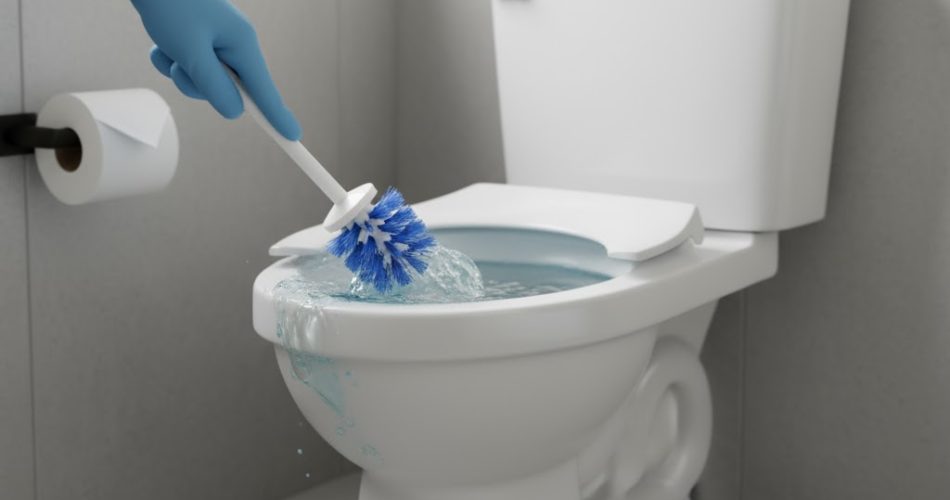
After the waiting period, put on a pair of gloves and use a toilet brush to scrub every part of the bowl, paying close attention to the waterline and under the rim. For smaller or hard-to-reach areas, use an old toothbrush to ensure a deep clean. -
Clean the toilet seat and exterior
The seat and lid are often overlooked but collect splashes and bacteria every time you flush. Mix some baking soda and water into a paste and apply it to these areas using a sponge. Scrub gently and then wipe clean with a damp cloth. -
Rinse with very hot water
Once you’ve scrubbed all parts of the toilet, pour very hot water into the bowl to enhance the cleaning effect. The heat helps loosen any remaining residue and gives the toilet a final rinse. -
Dry and polish
Finally, dry the exterior surfaces with a clean microfiber cloth. This prevents water spots and leaves the porcelain shining.
Optional: Maintain a Fresh, Odor-Free Flush Tank
If your toilet has an external flush tank, you can maintain it by pouring a small amount of white vinegar into the water reservoir. This prevents limescale buildup and helps neutralize odors with every flush. It’s a simple maintenance trick that keeps your system cleaner for longer.
Why This Green Method Works
This natural cleaning method is both effective and environmentally responsible:
-
White Vinegar disinfects, removes mineral buildup, and eliminates odors without the need for bleach.
-
Baking Soda acts as a natural deodorizer and mild abrasive, helping to scrub away stains and residues.
-
Dish Soap lifts away grime and grease, leaving surfaces smooth and shiny.
-
Hot Water enhances cleaning power and ensures complete removal of residues.
Unlike commercial toilet cleaners, which often contain chlorine and synthetic fragrances, this eco-friendly combination doesn’t release toxic vapors or harm aquatic life once flushed. It’s gentle enough for frequent use yet powerful enough to handle stubborn stains.
Final Thoughts
Keeping your toilet clean doesn’t have to mean using harsh chemicals or expensive products. With just a few natural ingredients, you can maintain a spotless, germ-free, and pleasantly scented bathroom while doing your part for the environment.
Regular cleaning using vinegar, baking soda, and dish soap keeps bacteria and viruses at bay, ensures your bathroom smells fresh, and prevents buildup that can damage the toilet over time.
So next time you reach for a store-bought cleaner, consider this green alternative instead. It’s affordable, effective, safe for your family, and kind to the planet — proof that sometimes, the simplest solutions are the best ones for a truly clean and healthy home.