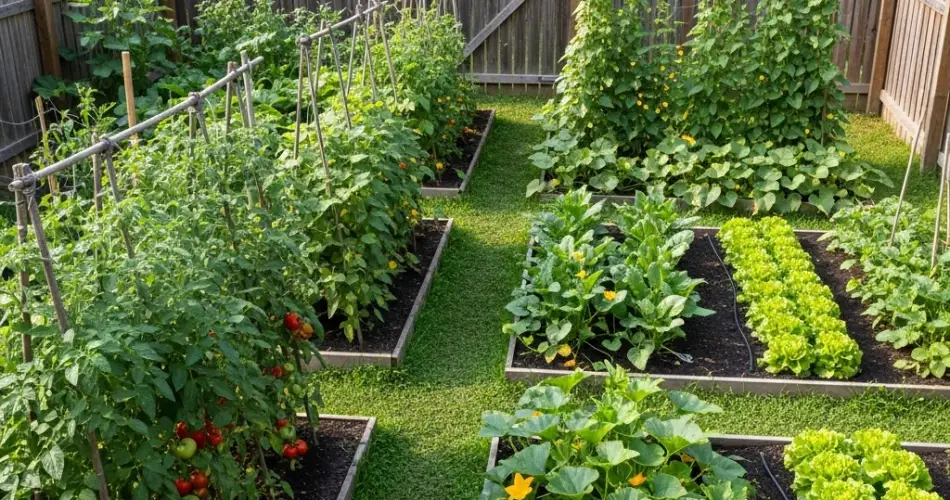
Turning your backyard into a thriving vegetable garden is a rewarding way to grow your own food, reduce grocery costs, and connect with nature. Whether you have a small patio or a spacious yard, creating an edible oasis is achievable with the right planning and techniques. A productive garden not only yields delicious, fresh produce but also transforms your outdoor space into a source of relaxation and self-sufficiency.
Here’s a step-by-step guide to help you build and maintain a successful backyard vegetable garden.
1. Choosing the Right Location
The foundation of a productive garden starts with the right spot. Vegetables need ample sunlight to grow well—ideally 6 to 8 hours of full sun daily. Look for an area that’s relatively flat, well-drained, and easy to access for watering and harvesting.
Avoid placing your garden too close to large trees or shrubs that may block sunlight or compete for nutrients and water. Also, consider proximity to a water source to make irrigation more convenient.
2. Planning Your Layout
A well-organized layout makes your garden easier to manage and more efficient. Start small if you’re a beginner, and expand as you gain experience.
Garden layout options include:
-
In-ground beds: Great for large spaces with good soil.
-
Raised beds: Ideal for controlling soil quality, drainage, and minimizing weeds.
-
Container gardening: Perfect for patios, balconies, or areas with poor soil.
Use pathways to separate beds and make maintenance easier. A spacing of 18–24 inches between rows or beds allows comfortable access for watering, weeding, and harvesting.
3. Preparing the Soil
Healthy soil is essential for productive plants. Begin by clearing the area of grass, weeds, and debris. Test your soil’s pH and nutrient levels using a home test kit or by sending a sample to a local extension office.
Most vegetables prefer slightly acidic to neutral soil (pH 6.0–7.0). Enrich the soil with organic matter like compost, well-rotted manure, or leaf mold. This improves texture, moisture retention, and fertility.
If your soil is heavy clay or sandy, amending it with compost will help balance its structure and nutrient content.
4. Choosing What to Grow
Select vegetables that you and your household enjoy eating. Consider your local climate and growing season when picking crops. It’s also helpful to start with vegetables that are relatively easy to grow and harvest.
Great beginner-friendly options:
-
Leafy greens: lettuce, spinach, kale
-
Root crops: radishes, carrots, beets
-
Fruit-bearing plants: tomatoes, peppers, cucumbers
-
Herbs: basil, parsley, chives
Mix fast-growing crops with those that take longer to mature for a steady harvest throughout the season. Include companion plants like marigolds or nasturtiums to help repel pests and attract pollinators.
5. Planting for Success
Follow spacing and depth recommendations on seed packets or plant labels. Overcrowding can lead to poor airflow and increased disease risk. Consider planting in blocks or staggered rows to maximize space and sunlight exposure.
Succession planting—sowing new seeds every few weeks—can provide a continuous harvest of certain vegetables like lettuce, carrots, and beans.
Use trellises or cages for climbing crops like peas, beans, and cucumbers to save space and keep produce off the ground.
6. Watering and Mulching
Vegetables need consistent moisture, especially during germination and fruiting. Aim to water deeply and less frequently to encourage deep root growth. Early morning is the best time to water, reducing evaporation and minimizing disease risk.
Apply mulch around plants to retain soil moisture, suppress weeds, and regulate soil temperature. Organic mulches like straw, shredded leaves, or grass clippings break down over time and improve soil health.
7. Feeding and Maintenance
Even with rich soil, vegetables benefit from periodic feeding. Use organic fertilizers like compost tea, worm castings, or fish emulsion every few weeks during the growing season.
Regularly inspect your garden for signs of pests or disease. Remove damaged leaves, hand-pick insects, or use natural remedies like neem oil or insecticidal soap when necessary.
Weed often to prevent competition for nutrients and water. Stay on top of harvesting, as frequent picking encourages more production, especially in crops like beans, zucchini, and tomatoes.
8. Extending the Harvest
To enjoy your garden longer into the season, try planting cool-season crops in early spring or late summer. Row covers, cold frames, and mini greenhouses can help protect tender plants from frost.
You can also preserve excess produce by drying, freezing, fermenting, or canning, allowing you to enjoy the fruits of your garden year-round.
Conclusion
Creating a productive backyard vegetable garden is an investment in your health, well-being, and independence. With proper planning, soil preparation, and care, your garden can become an edible oasis that provides fresh, organic food right outside your door. Whether you’re growing a handful of herbs or feeding your entire family, the journey is as fulfilling as the harvest itself.


