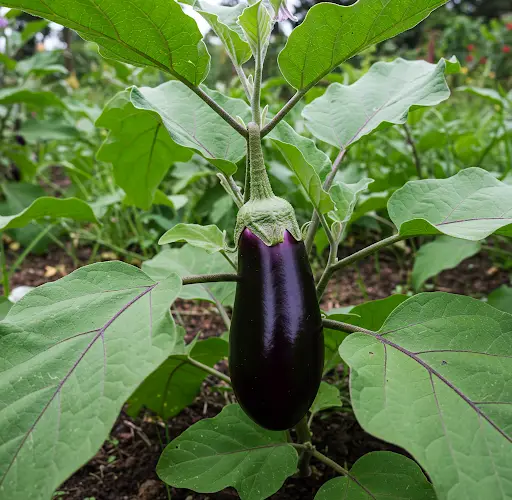
How to Grow Eggplant in a Bag of Soil for Large, Long Fruits
Eggplant, also known as aubergine, is a versatile vegetable that thrives in warm conditions. While it’s commonly grown in garden beds, many gardeners have discovered a simple yet highly effective method—growing eggplants directly in a bag of soil. This method is space-saving, reduces weed competition, and provides excellent drainage, leading to healthier plants and bigger fruits. If you want to grow large, long eggplants effortlessly, follow this detailed guide.
Why Grow Eggplant in a Bag of Soil?
Growing eggplant in a soil bag has several benefits:
- Better Root Aeration – The loose, well-draining soil inside the bag allows roots to develop deeply, promoting vigorous growth.
- Warmer Soil – Bags absorb heat, creating ideal conditions for eggplants, which thrive in temperatures of 70–85°F (21–29°C).
- Weed-Free Growing – Since the soil comes pre-sterilized, weeds and pests are minimized.
- Portable and Space-Efficient – Soil bags can be placed anywhere with enough sunlight—balconies, patios, or driveways.
- Moisture Control – Bags retain moisture well while allowing excess water to drain, preventing root rot.
Step-by-Step Guide to Growing Eggplant in a Bag of Soil
Step 1: Choosing the Right Soil Bag and Eggplant Variety
- Soil Type: Use a high-quality potting mix enriched with compost and organic matter.
- Bag Size: A 40-50 lb (18-22 kg) bag of soil works best, as it provides enough space for root growth.
- Best Eggplant Varieties:
- Black Beauty – Large, classic deep-purple fruits.
- Long Purple – Produces long, slender eggplants.
- Ichiban – A Japanese variety known for its extra-long fruits.
- Rosa Bianca – A round, flavorful variety.
Step 2: Preparing the Soil Bag for Planting
- Choose a Sunny Spot – Eggplants need at least 6-8 hours of direct sunlight daily.
- Prepare Drainage Holes – Poke multiple holes in the bottom of the bag to allow excess water to drain.
- Cut Open the Top – Slice an opening in the top of the bag, leaving a 2-inch border to hold the soil in place.
- Loosen the Soil – Fluff up the soil inside to improve aeration before planting.
Step 3: Planting the Eggplants
- If growing from seeds, start them indoors 6-8 weeks before the last frost and transplant seedlings when they reach 6-8 inches tall.
- If using nursery plants, select healthy seedlings with strong stems.
- Planting Process:
- Make a hole in the center of the soil bag, about 4-6 inches deep.
- Place the seedling inside, covering the roots with soil.
- Gently press the soil around the plant for stability.
Step 4: Watering and Fertilizing for Maximum Growth
Watering Requirements
- Keep the soil consistently moist but not soggy.
- Water 2-3 times per week, increasing in hot weather.
- Use a drip system or watering can to avoid wetting the leaves, reducing disease risk.
Fertilizing for Bigger Fruits
Eggplants are heavy feeders, so regular fertilization is key:
- Start with Organic Matter – Mix compost or aged manure into the soil for slow-release nutrients.
- Use a Balanced Fertilizer – Apply a 10-10-10 fertilizer every two weeks.
- Boost with Potassium – To enhance fruit size, switch to a high-potassium fertilizer once flowers appear.
- Liquid Fertilizers – Fish emulsion or compost tea can be applied every two weeks for added nutrients.
Step 5: Supporting the Plants
As eggplants grow and produce large fruits, they may need support to prevent bending or breaking:
- Use stakes or tomato cages to keep plants upright.
- Tie the stems loosely with soft twine to avoid damage.
Step 6: Managing Pests and Diseases
Even in soil bags, eggplants can face pest and disease challenges. Here’s how to prevent common problems:
Common Pests
- Aphids and Whiteflies – Spray plants with neem oil or insecticidal soap.
- Flea Beetles – Use row covers or diatomaceous earth to prevent damage.
- Spider Mites – Rinse leaves with water to remove mites or use horticultural oils.
Common Diseases
- Blossom End Rot – Prevent by ensuring even watering and adding calcium (crushed eggshells or gypsum).
- Powdery Mildew – Improve airflow around plants and avoid overhead watering.
- Fungal Infections – Remove infected leaves and apply organic fungicides if necessary.
Encouraging Fruit Production
For a higher yield of large, long eggplants, follow these tips:
- Hand Pollination: If you notice poor fruit set, use a small brush to transfer pollen between flowers.
- Regular Harvesting: Pick eggplants when they reach 6-10 inches long, while the skin is glossy and firm. Harvesting early encourages continuous production.
- Pruning: Remove lower leaves and excess shoots to direct energy toward fruit growth.
Harvesting Eggplants for the Best Flavor
Eggplants are ready to harvest 60-80 days after planting. Look for these signs:
- The skin is shiny and firm.
- The fruit gives slightly when pressed but bounces back.
- Dull, wrinkled skin indicates overripeness and a bitter taste.
How to Harvest
- Use pruning shears to cut the fruit from the plant, leaving about an inch of the stem attached.
- Avoid pulling or twisting the eggplant to prevent damage to the plant.
Storing and Using Homegrown Eggplants
- Short-Term Storage: Keep fresh eggplants in a cool, dry place for up to 7 days.
- Refrigeration: Store in a perforated bag in the vegetable crisper for up to two weeks.
- Freezing: Blanch sliced eggplants before freezing for long-term storage.
- Cooking Uses: Eggplants can be roasted, grilled, fried, or used in dishes like eggplant parmesan, ratatouille, or stir-fries.
Final Thoughts
Growing eggplants in a bag of soil is a simple yet highly effective method that saves space while ensuring excellent fruit production. By providing the right conditions—proper watering, nutrient-rich soil, pest control, and support—you can harvest large, healthy, and delicious eggplants right from your backyard, balcony, or patio. Try this method and enjoy homegrown eggplants with minimal effort!


