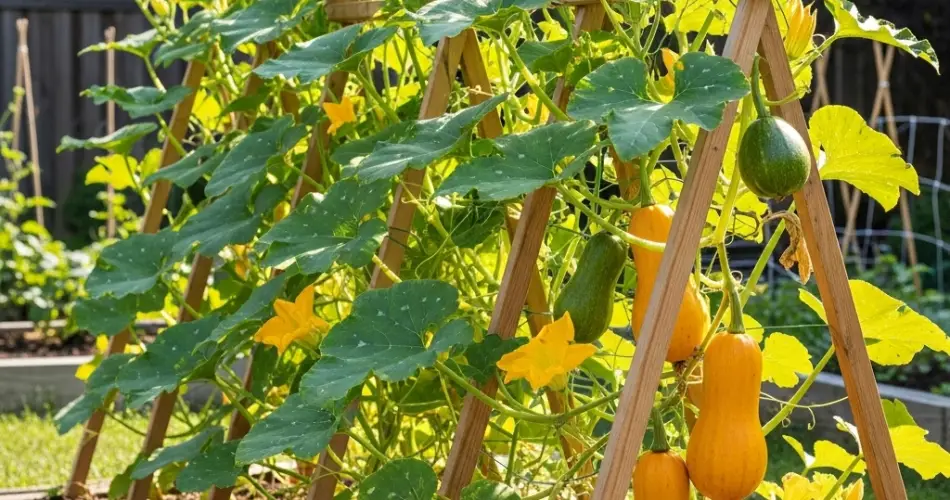
Squash is a versatile and productive garden vegetable, known for its delicious fruits, including zucchini, summer squash, and winter varieties. While squash plants can sprawl across the ground, they grow best and produce cleaner, healthier fruits when provided with vertical support. Wooden trellises are an effective and attractive solution for supporting climbing squash, offering stability, improving airflow, and making harvesting easier. Whether in a backyard garden, on a balcony, or in a small space, wooden trellises help squash plants reach their full potential.
Why Use Wooden Trellises for Climbing Squash?
Squash vines are naturally sprawling and can become heavy as fruits develop. Ground-sprawling plants are more prone to pests, diseases, and rot, especially when fruits rest on damp soil. Wooden trellises elevate vines and fruits, keeping them off the ground and reducing the risk of disease. Vertical growth also improves sunlight exposure and air circulation, which encourages stronger plants and more abundant fruit production. Additionally, wooden trellises provide a rustic and aesthetically pleasing structure, enhancing the visual appeal of any garden space.
Choosing the Right Wooden Trellis
Selecting the appropriate wooden trellis is crucial for supporting heavy squash vines. Trellises should be made from sturdy, weather-resistant wood, such as cedar or treated pine, to withstand outdoor conditions. A-frame, lattice, or flat panel designs work well for climbing squash. Ensure the trellis is tall enough to accommodate the full growth of your squash variety—typically 6–8 feet for vining types—and wide enough to provide ample support for multiple vines. Securely anchoring the trellis in the soil is essential to prevent tipping as the plants grow and fruits become heavier.
Preparing Squash Plants for Trellis Training
Before introducing squash to a trellis, prepare the plants and soil properly. Start with healthy seedlings or direct-sown seeds in nutrient-rich, well-draining soil. Provide ample sunlight—at least 6–8 hours per day—to encourage vigorous growth. Incorporate compost or slow-release organic fertilizer into the soil to give squash a strong nutritional foundation. Space plants according to the variety’s requirements to prevent overcrowding and ensure proper airflow. Early training on the trellis is important to guide young vines upward and establish structured growth from the beginning.
Training Squash Vines on Wooden Trellises
Training squash on a wooden trellis requires gentle guidance and support. As vines grow, direct the main stems along the trellis and loosely secure them using soft ties, twine, or strips of cloth. Avoid tying stems too tightly, as this can damage the plant. Encourage lateral shoots to climb or rest against the trellis to maximize vertical growth. For heavier fruits, provide additional support with slings or soft netting to prevent them from pulling vines down. Regular monitoring and gentle guidance help maintain healthy, upright plants and prevent sprawling.
Pruning and Maintenance
Pruning climbing squash is essential for maintaining plant health and maximizing yields. Remove yellowing, damaged, or overcrowded leaves to improve airflow and light penetration. Pinch off excessive lateral shoots if necessary to direct the plant’s energy toward fruit production. Regularly inspect vines for pests, such as squash bugs, aphids, or cucumber beetles, and manage infestations with organic solutions like neem oil or insecticidal soap. Routine maintenance ensures strong growth, clean fruits, and reduced disease risk.
Watering and Fertilizing
Squash plants on wooden trellises require consistent moisture. Check soil regularly and water deeply when the top inch feels dry, ensuring roots receive adequate hydration. Mulching around the base of the plants with straw or shredded leaves helps retain moisture, regulate temperature, and suppress weeds. Fertilize every few weeks with a balanced liquid fertilizer to support vigorous growth and fruit development. Proper watering and feeding ensure strong, healthy vines capable of supporting heavy squash.
Harvesting Squash from a Trellis
Harvesting trellised squash is easier because the fruits hang visibly and are easily accessible. Pick squash when they reach the recommended size for the variety—typically 6–8 inches for summer squash and larger for winter types. Frequent harvesting encourages continuous production and prevents overripe fruits from weighing down the vines. Use a clean knife or garden shears to cut fruits carefully, minimizing damage to the plant and surrounding vines.
Final Tips for Successful Trellised Squash Gardening
Wooden trellises provide a practical and attractive solution for supporting climbing squash. By choosing a sturdy trellis, training vines early, maintaining consistent watering and fertilization, and pruning regularly, gardeners can enjoy stronger plants, healthier fruits, and higher yields. Trellised squash maximizes vertical space, improves airflow, and keeps fruits clean, making harvesting simpler and more efficient. With proper care and attention, climbing squash on wooden trellises will thrive, producing abundant, flavorful fruits while enhancing the beauty and productivity of any garden space.


