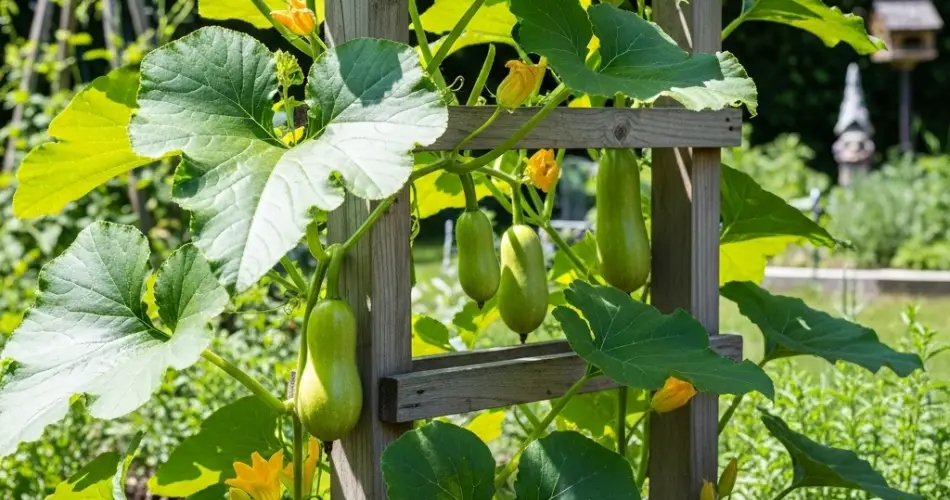

Zucchini is a prolific and versatile vegetable that thrives in home gardens. However, its sprawling growth habit can take up significant space and make harvesting challenging. For gardeners looking to maximize space, improve airflow, and maintain healthier plants, training zucchini upwards using wooden supports is an effective solution. Vertical growth not only conserves garden space but also keeps fruits off the ground, reducing the risk of rot and pest damage while adding a striking visual element to your garden.
Why Use Wooden Supports for Zucchini?
Zucchini plants are naturally sprawling and can cover a large area if left to grow along the ground. While ground planting is common, it exposes fruits to soil-borne diseases, pests, and moisture-related rot. Wooden supports allow gardeners to train vines vertically, lifting the leaves and fruits off the soil. This improves air circulation, encourages stronger growth, and makes harvesting easier. Additionally, wooden structures offer a rustic, natural aesthetic that blends well with garden landscapes.
Choosing the Right Wooden Supports
There are several types of wooden supports suitable for zucchini. A-frame trellises, sturdy stakes, or lattice panels provide multiple points of attachment for climbing vines. Choose durable, rot-resistant wood such as cedar, redwood, or treated pine to ensure longevity. The height of the support depends on the variety of zucchini you are growing, but most benefits are gained from structures at least 4 to 6 feet tall. Wider trellis or lattice designs provide more surface area for vines to attach and spread, supporting heavy fruits effectively.
Installing Wooden Supports
Before planting, position the wooden support in your garden or container. For garden beds, firmly anchor stakes or trellis posts into the soil to prevent tipping as vines grow and fruits develop. In container gardening, choose large, deep planters that can stabilize the wooden structure, or secure the support to the container’s sides. Stability is critical, as mature zucchini fruits can be heavy and may pull down weak supports. Ensuring the structure is well-anchored helps prevent damage to both plant and support.
Planting Zucchini for Vertical Growth
Zucchini thrives in fertile, well-draining soil enriched with compost or organic fertilizer. Plant seeds or seedlings near the base of the support, leaving enough space for the plant to expand as it climbs. As the zucchini grows, gently guide vines toward the wooden support, helping them attach naturally. Using soft ties, strips of fabric, or twine, loosely secure vines to the structure to prevent breakage. Training plants early in their growth cycle encourages vertical development and maximizes space efficiency.
Watering and Fertilization
Zucchini requires consistent moisture for optimal growth, particularly during flowering and fruiting. Keep the soil evenly moist but avoid waterlogging, which can lead to root rot. Mulching around the base helps retain soil moisture, suppress weeds, and maintain a stable temperature. Fertilize regularly with a balanced, water-soluble fertilizer or organic alternatives like compost tea or liquid seaweed to support vigorous growth and high yields.
Pruning and Maintenance
While zucchini is generally low-maintenance, occasional pruning improves airflow and light penetration, reducing the risk of fungal disease. Remove yellowing or damaged leaves, and trim lateral shoots that crowd the wooden support. Regularly inspect the structure for stability, adjusting ties and branches as needed. Training the plant carefully ensures it grows upright, preventing stems from breaking under the weight of developing fruits.
Pest and Disease Management
Zucchini can attract pests such as squash bugs, aphids, and cucumber beetles. Monitoring plants regularly and applying organic treatments like neem oil or insecticidal soap helps control infestations. Vertical growth naturally reduces soil contact, which decreases the likelihood of soil-borne diseases like powdery mildew or rot. Adequate spacing between plants and supports further improves airflow, keeping your zucchini plants healthier and more productive.
Harvesting Zucchini from Wooden Supports
Growing zucchini vertically makes harvesting straightforward. Fruits are easier to spot and pick without bending over or disturbing other plants. For the best flavor and texture, harvest zucchini when they are young and tender, typically 6 to 8 inches long. Regular harvesting encourages continued production throughout the growing season and prevents fruits from becoming overly large and tough.
Aesthetic and Functional Benefits
Beyond practical support, wooden structures create a visually appealing garden feature. A trellis or lattice covered in vibrant zucchini leaves and developing fruits adds height, texture, and interest to your garden layout. Wooden supports are also reusable, making them a sustainable and long-lasting solution for multiple growing seasons.
Conclusion
Using wooden supports to train zucchini upwards is a practical and visually attractive method for maximizing garden space and ensuring healthy, productive plants. By selecting sturdy, rot-resistant wood, installing supports securely, guiding vines carefully, and maintaining proper care, gardeners can enjoy abundant zucchini harvests while reducing the risk of disease and pest damage. Vertical growth improves airflow, sunlight exposure, and ease of harvesting, making wooden supports an essential tool for efficient and beautiful zucchini cultivation.


