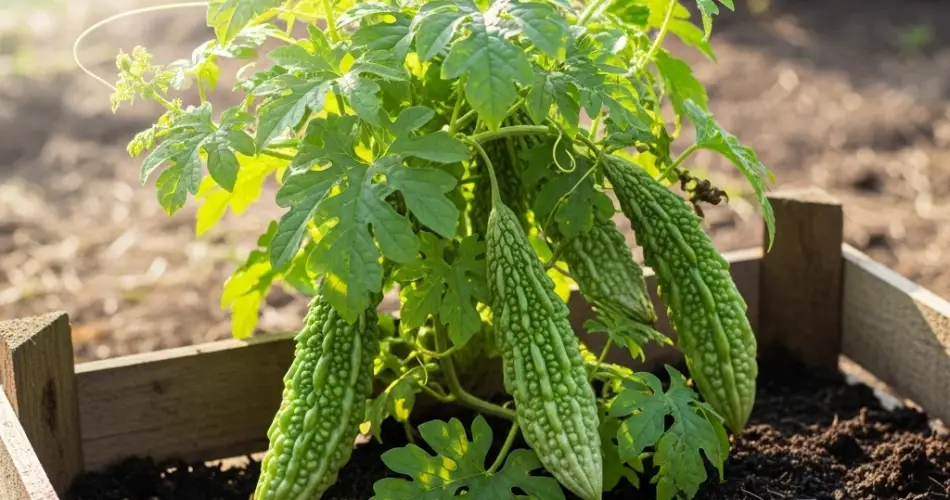
Bitter melon, also known as bitter gourd or karela, is a unique vine vegetable prized for its distinct taste and medicinal benefits. Popular in many Asian, African, and Caribbean cuisines, bitter melon is often stir-fried, stuffed, or brewed into teas for its health-promoting properties. While traditionally grown in open fields or large gardens, bitter melon adapts well to small-space gardening when provided with the right support system. One of the most practical and attractive methods is using wooden box trellises.
By combining compact planting with vertical growth, wooden box trellises not only support healthy vines but also help maximize limited balcony, patio, or backyard spaces. Here’s how you can grow flourishing bitter melon vines using this clever setup.
Why Bitter Melon Needs Trellises
Bitter melon is a climbing vine that can reach up to 10–12 feet in length. Without support, the vines sprawl along the ground, making them more vulnerable to pests, diseases, and fruit rot. Trellises solve these issues by encouraging upward growth and offering several advantages:
-
Space efficiency: Vertical growth allows more plants in smaller spaces.
-
Improved airflow: Reduced risk of mildew and fungal diseases.
-
Healthier fruits: Fruits hang freely, avoiding soil contact and deformities.
-
Ease of harvest: Vines at eye level make harvesting simpler and more convenient.
-
Aesthetic appeal: A trellised bitter melon plant creates a lush, green screen for balconies and patios.
Why Choose Wooden Box Trellises
Wooden box trellises combine two essential elements: sturdy containers and vertical climbing structures. This design is particularly useful for bitter melon because of its vigorous growth habit.
-
Durability: Properly treated wooden boxes withstand weather and provide long-lasting support.
-
Customizable size: Boxes can be built to fit small balconies or larger patio spaces.
-
Root space: Deep wooden boxes allow enough soil depth for strong root development.
-
Natural appearance: Wood blends beautifully with greenery, enhancing the overall garden aesthetic.
-
Integrated support: Attaching trellis frames directly to the box creates stability for heavy vines and fruits.
Building or Preparing Wooden Box Trellises
You can purchase ready-made planter boxes with trellises or build your own with a simple DIY approach. Here’s what to consider:
-
Box dimensions: A box should be at least 18–20 inches deep and wide to accommodate roots.
-
Trellis height: Plan for a trellis at least 5–6 feet tall, as bitter melon vines are strong climbers.
-
Wood choice: Use untreated, weather-resistant wood like cedar or pine. Avoid chemically treated lumber, which may leach toxins into the soil.
-
Lining: Line the inside with landscape fabric to extend the life of the wood and prevent soil leakage.
-
Drainage: Drill several holes at the bottom for proper drainage.
Planting Bitter Melon in Wooden Boxes
-
Soil mix: Bitter melon thrives in well-draining, fertile soil. A mix of garden soil, compost, and a little sand works well.
-
Planting seeds: Sow seeds ½–1 inch deep. Soaking them overnight can speed germination.
-
Spacing: Plant 2–3 seeds in the box and thin to the strongest seedling once established.
-
Training vines: As vines grow, gently guide them onto the trellis, tying them loosely with twine if needed.
Caring for Bitter Melon Vines
-
Sunlight: Bitter melon loves warmth and sunlight. Place boxes where they receive 6–8 hours of direct sun daily.
-
Watering: Keep soil consistently moist but not waterlogged. Wooden boxes dry out faster, so check frequently during hot weather.
-
Fertilization: Apply a balanced vegetable fertilizer every 2–3 weeks. Once flowering starts, switch to a phosphorus-rich feed to encourage fruiting.
-
Pruning: Pinch back growing tips to encourage branching and better fruit set. Remove any yellowing leaves for better airflow.
Pollination and Fruit Development
Bitter melon produces both male and female flowers. Pollination is usually done by bees, but in container gardens, you may need to assist by hand. Use a small brush to transfer pollen from male to female flowers, identified by the small swelling behind the petals.
Fruits typically mature 2–3 months after planting. They are ready to harvest when green, firm, and about 4–6 inches long, depending on the variety. Avoid waiting too long, as overripe fruits turn yellow and lose flavor.
Common Challenges
-
Pests: Watch for aphids, fruit flies, and beetles. Neem oil or organic sprays can help manage infestations.
-
Diseases: Powdery mildew may appear in humid conditions. Regular pruning and good airflow help prevent this.
-
Overcrowding: Vines can tangle easily. Train them early to avoid messy growth.
Benefits Beyond Gardening
Wooden box trellises for bitter melon are not just functional—they also enhance outdoor living spaces. A well-trained bitter melon vine provides natural shade, privacy, and a beautiful cascade of green foliage dotted with striking fruits. For city dwellers, it’s a way to transform a plain balcony into a mini edible oasis.
Conclusion
Growing bitter melon in wooden box trellises is a practical, space-saving, and visually appealing gardening solution. By combining the container’s root support with the vertical trellis structure, you create an ideal environment for vigorous vine growth and abundant fruit production.
Whether you’re an experienced gardener or a beginner with only a small balcony, this method allows you to enjoy the health benefits and unique flavor of fresh bitter melon. With the right care and setup, your wooden box trellis can transform into a thriving green wall of nutritious harvests.


