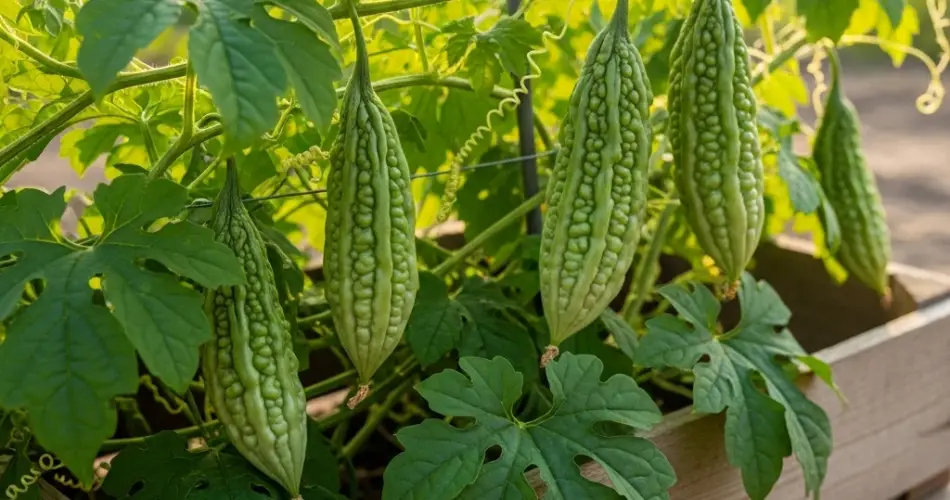
Bitter melon, also known as bitter gourd or Momordica charantia, is a unique vegetable prized in many Asian, African, and Caribbean cuisines. Its distinct flavor and impressive health benefits—such as supporting blood sugar control and boosting immunity—make it a valuable addition to any home garden. While bitter melon is often grown on trellises in spacious gardens, it can also thrive in small spaces with the help of DIY wooden crate planters.
Crates provide both practicality and charm, making it possible for urban gardeners and those with limited space to cultivate this climbing vegetable right on balconies, patios, or backyards.
Why Grow Bitter Melon in Crates?
Crate gardening offers several advantages for cultivating bitter melon:
-
Space optimization – Perfect for compact spaces where ground planting isn’t possible.
-
Soil control – You can create the ideal soil mix instead of relying on native soil that may not suit bitter melon.
-
Drainage – Crates ensure excess water drains well, protecting roots from rot.
-
Mobility – Planters can be moved to sunnier spots as needed.
-
DIY style – Wooden crates bring a rustic aesthetic to urban gardens while keeping vines organized.
Bitter melon, being a vigorous climber, pairs well with crate planters when combined with a vertical trellis or support system.
Choosing the Right Wooden Crate
Because bitter melon is a robust and fast-growing vine, the crate must be sturdy and deep enough to support healthy root development.
-
Size – A crate at least 24 inches deep and 24–30 inches wide is recommended.
-
Material – Use untreated wood such as cedar, pine, or reclaimed lumber. Avoid pressure-treated wood, as chemicals can leach into the soil.
-
Durability – To extend the life of the crate, apply a natural sealant to the outside. Line the inside with landscape fabric or burlap to keep soil contained.
Preparing the Crate
-
Drill drainage holes – Ensure water can flow out freely.
-
Line the crate – Use fabric to retain soil while allowing moisture to drain.
-
Elevate – Place the crate on bricks or wooden blocks to improve airflow and reduce the risk of wood rotting.
These simple steps create the right foundation for healthy growth.
Soil Mix for Bitter Melon
Bitter melon thrives in well-draining, nutrient-rich soil with a slightly acidic to neutral pH (6.0–6.7). A recommended mix includes:
-
40% high-quality potting soil
-
40% compost or aged manure for fertility
-
20% sand or perlite for aeration and drainage
Because bitter melon is a heavy feeder, enriching the soil with organic matter ensures vigorous vines and better fruiting.
Planting Bitter Melon in Crates
Step 1: Starting Seeds
-
Soak seeds in warm water overnight to speed up germination.
-
Plant seeds about 1 inch deep directly in the crate, spacing them 12–18 inches apart.
Step 2: Providing Support
Install a trellis, arch, or wire frame directly in or behind the crate. Bitter melon vines climb quickly and need sturdy support to spread vertically.
Step 3: Watering
Keep the soil consistently moist, especially during germination and flowering. However, avoid waterlogging by checking that the crate drains properly.
Caring for Bitter Melon Plants
-
Sunlight – Place the crate in a spot that receives 6–8 hours of direct sunlight daily.
-
Fertilization – Use a balanced organic fertilizer every 3–4 weeks during the growing season. Switch to a phosphorus- and potassium-rich fertilizer when flowers appear to encourage fruiting.
-
Pruning – Pinch off the growing tips after the plant reaches 18–24 inches in length to encourage branching and higher yields.
-
Mulching – Add straw or shredded bark to retain moisture and regulate temperature.
-
Pest management – Watch for aphids, fruit flies, and powdery mildew. Neem oil or homemade soap sprays are effective natural treatments.
Harvesting Bitter Melon
Bitter melons are typically ready to harvest 12–16 weeks after planting. Fruits are best picked while still green, firm, and about 4–6 inches long, depending on the variety. Overripe fruits turn yellow and become too bitter for culinary use. Regular harvesting also stimulates more fruit production.
Benefits of Crate-Grown Bitter Melon
Growing bitter melon in crates not only saves space but also allows you to:
-
Enjoy a steady supply of fresh, pesticide-free vegetables.
-
Add vertical greenery to your patio or balcony.
-
Incorporate a nutritious, traditional ingredient into your daily cooking.
-
Reuse and repurpose crates for sustainable gardening.
Final Thoughts
Bitter melon may seem like a challenging plant to grow, but with DIY crate planters, it becomes an accessible crop for gardeners of all levels. By choosing a strong wooden crate, preparing the right soil, and providing vertical support, you can enjoy an abundant harvest even in a small urban setting.
The combination of rustic planters and climbing vines adds both beauty and productivity to your space. Most importantly, crate gardening gives you the satisfaction of growing this health-boosting vegetable right at home, making your meals fresher and your gardening efforts more rewarding.


