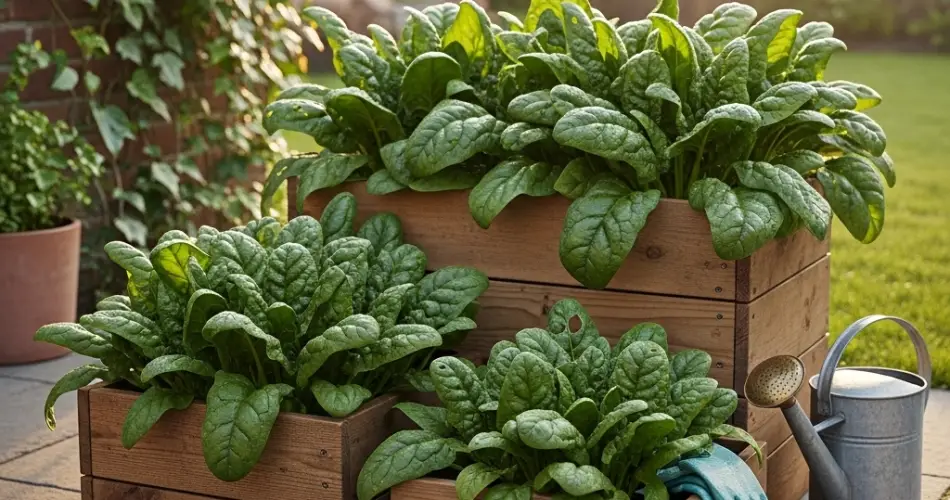
Spinach is one of the most versatile and nutritious leafy greens you can grow at home. Packed with vitamins, minerals, and antioxidants, it makes a valuable addition to your kitchen garden. Best of all, spinach is well-suited to container gardening, meaning you don’t need a large yard to enjoy a steady harvest. Growing spinach in wooden boxes is a practical and attractive way to cultivate fresh greens, even in small spaces like balconies, patios, or sunny windowsills.
Wooden containers not only look charming but also create the right growing environment for spinach, protecting its shallow roots while regulating moisture. With a little planning and care, you can grow crisp, tender leaves year-round.
Why Choose Wooden Boxes for Spinach?
Wooden boxes are excellent for leafy greens because they provide insulation, keeping the soil cooler in warm weather and preventing it from drying out too quickly. Spinach prefers cooler temperatures, so this natural protection helps extend your growing season. Additionally, wooden boxes can be built or repurposed from crates, pallets, or wine boxes, giving you flexibility in size and design.
A container about 6–8 inches deep is more than enough for spinach, as the plant has relatively shallow roots. Wider boxes allow you to grow multiple rows for a generous harvest.
Preparing the Perfect Soil
For strong growth, spinach thrives in fertile, well-draining soil. To prepare a healthy mix:
-
Use high-quality potting soil as the base.
-
Mix in compost or aged manure for added nutrients.
-
Add perlite or coarse sand to improve drainage.
Spinach loves nitrogen-rich soil since nitrogen supports leafy growth. Consider adding organic fertilizers such as worm castings or a slow-release organic blend before planting.
Selecting Spinach Varieties
Different varieties of spinach adapt to different climates and preferences:
-
Savoy spinach: Dark green, crinkled leaves with a robust texture.
-
Semi-savoy spinach: Slightly smoother leaves, easier to clean.
-
Flat-leaf spinach: Smooth, tender leaves that are ideal for salads.
-
Baby spinach: Harvested young for sweeter, milder leaves.
Flat-leaf and baby spinach are particularly well-suited for container gardening since they grow quickly and offer continuous harvests.
Planting Spinach in Wooden Boxes
Spinach can be grown directly from seed or transplanted as seedlings.
-
Sowing seeds: Scatter seeds evenly in rows, leaving about 2 inches between each. Cover them lightly with ½ inch of soil.
-
Spacing seedlings: If using seedlings, plant them 3–4 inches apart to allow room for leafy growth.
Since spinach germinates quickly, seeds are the most cost-effective option. Germination usually takes 7–10 days.
Light and Temperature Requirements
Spinach grows best in cool conditions, ideally between 50–70°F (10–21°C). Place your wooden box in a location that receives 4–6 hours of direct sunlight daily. Morning sun with afternoon shade is ideal, as too much heat can cause the plant to bolt (flower and go to seed).
If you live in a hot climate, consider growing spinach in the cooler months or using shade cloth to protect the plants during midday heat.
Watering Spinach Properly
Consistent watering is essential to keep spinach leaves tender and lush. Wooden boxes may dry out faster than in-ground gardens, so check soil moisture daily.
-
Water when the top inch of soil feels dry.
-
Aim for even moisture without waterlogging.
-
Water at the base of the plants to avoid splashing the leaves.
Adding a layer of mulch, such as shredded straw or dry leaves, helps retain moisture and reduce the need for frequent watering.
Feeding and Care
To keep spinach growing strong, feed it with an organic liquid fertilizer every two weeks once the seedlings establish. Fertilizers high in nitrogen, such as fish emulsion or compost tea, will encourage leafy growth and keep plants producing for longer.
Regularly remove yellowing or damaged leaves to maintain plant health and reduce the risk of pests.
Harvesting Spinach from Wooden Boxes
One of the biggest benefits of container-grown spinach is the ability to harvest as needed. You can use two main harvesting techniques:
-
Cut-and-come-again: Snip outer leaves while leaving the center intact. This allows the plant to keep producing fresh leaves for weeks.
-
Whole harvest: For mature plants, cut the entire cluster at soil level once leaves reach full size.
Baby spinach can be harvested in as little as 25–30 days, while larger leaves typically take 40–50 days.
Managing Pests and Problems
Though spinach is relatively trouble-free, a few common pests may appear:
-
Aphids: Spray with neem oil or wash off with water.
-
Leaf miners: Remove affected leaves promptly.
-
Bolting: To delay bolting, grow in cooler conditions and harvest frequently.
Growing in wooden boxes helps minimize pest exposure since you can easily move the container and maintain control over the environment.
Succession Planting for Continuous Harvest
To enjoy spinach throughout the season, practice succession planting. Sow new seeds every two to three weeks in the same wooden box or in a separate container. This ensures you always have fresh young plants ready to harvest.
Final Thoughts
Wooden box gardening is a space-saving and effective way to grow spinach, even if you live in an apartment or have limited outdoor space. With the right soil mix, proper watering, and regular harvesting, you can enjoy crisp, nutritious spinach from your own small-space garden.
This method not only provides fresh greens at your fingertips but also brings the joy of gardening into compact living areas. Whether you prefer baby leaves for salads or larger spinach for cooking, a wooden box garden makes it possible to enjoy fresh spinach almost year-round.


