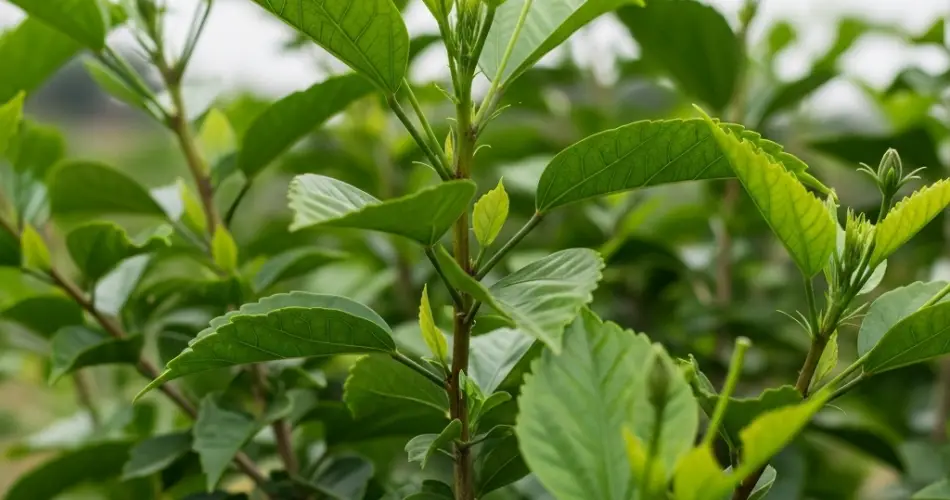
Hibiscus plants are prized for their vibrant, showy blooms that bring tropical flair to gardens and patios. However, if your hibiscus is growing lush foliage but producing few or no flowers, it can be frustrating. The good news is that most flowering problems are fixable once you identify the cause.
In this guide, we’ll explore the most common reasons why hibiscus plants fail to flower and provide practical solutions to help restore their blooming potential.
1. Not Enough Sunlight
Hibiscus plants are sun-lovers. Without adequate light, the plant will focus on leafy growth instead of producing flowers.
What to do:
-
Ensure your hibiscus gets at least 6 hours of direct sunlight daily.
-
For potted plants, move them to a brighter spot—preferably a south- or west-facing location.
-
If growing indoors, place the plant near a bright window or consider using a grow light.
2. Overfertilizing with Nitrogen
While nitrogen promotes leafy growth, too much of it can result in a lush plant with little to no blooms. Hibiscus needs a balanced fertilizer to flower well.
What to do:
-
Use a balanced or low-nitrogen fertilizer, such as a 10-10-10 or a 5-10-10 blend.
-
Organic options like compost tea, banana peel water, or diluted fish emulsion are gentler and provide steady nutrients.
-
Avoid feeding more than once every 2–3 weeks during the growing season.
3. Incorrect Pruning Practices
Pruning at the wrong time or too aggressively can remove flower buds or delay blooming.
What to do:
-
Prune in early spring before new growth starts, not during or just before flowering.
-
Remove dead or weak branches, and shape the plant to encourage airflow and sunlight penetration.
-
Light pruning during the growing season is okay, but avoid cutting off new buds.
4. Temperature Stress
Hibiscus plants prefer warm, stable temperatures. Too much heat, sudden cold, or strong winds can interrupt flowering.
What to do:
-
Keep temperatures between 60–90°F (15–32°C) for optimal blooming.
-
Protect outdoor plants from sudden temperature drops with coverings or by moving containers to sheltered areas.
-
Avoid placing indoor hibiscus near heating vents or drafty windows.
5. Inconsistent Watering
Both overwatering and underwatering can affect flowering. Stress from irregular watering often causes the plant to prioritize survival over blooming.
What to do:
-
Keep the soil evenly moist but not soggy. Let the top inch of soil dry out slightly between waterings.
-
In hot weather, you may need to water more frequently, especially for container plants.
-
Use mulch to help retain soil moisture and regulate root temperature.
6. Root Bound Plants
When hibiscus outgrows its pot, it can become root bound. This limits the plant’s ability to absorb nutrients and water, which may prevent flowering.
What to do:
-
Check if roots are growing out of the drainage holes or circling the pot.
-
If so, repot the hibiscus into a slightly larger container with fresh, well-draining soil.
-
Gently loosen the roots before placing the plant in its new pot to encourage better absorption.
7. Lack of Nutrients
If the plant hasn’t been fertilized in a while or is growing in poor soil, it may lack the nutrients it needs to produce flowers.
What to do:
-
Use a balanced fertilizer rich in phosphorus and potassium to promote blooming.
-
Apply slow-release organic fertilizers or supplement with compost every few months.
-
Foliar feeding with diluted seaweed extract or fish emulsion can also help during the blooming season.
8. Pest or Disease Problems
Aphids, spider mites, or fungal diseases can weaken the plant and prevent it from producing flowers.
What to do:
-
Inspect leaves and stems regularly for pests or signs of disease.
-
Treat infestations with neem oil, insecticidal soap, or a strong spray of water to remove pests.
-
Improve air circulation and avoid wetting the leaves to prevent fungal issues.
9. Plant Age and Seasonal Cycles
Young plants or newly propagated cuttings may take time to establish before they start blooming. Additionally, hibiscus often has natural blooming cycles, with periods of rest.
What to do:
-
Be patient with young plants—they typically begin flowering once mature and well-established.
-
If your plant stops blooming temporarily, check that environmental conditions are stable, and give it time to rest.
10. Using the Wrong Hibiscus Variety
Not all hibiscus types bloom the same way. Tropical hibiscus and hardy hibiscus have different needs and blooming times.
What to do:
-
Identify your hibiscus variety to better understand its requirements.
-
Tropical hibiscus can bloom year-round in warm conditions, while hardy hibiscus typically flowers in mid-to-late summer.
Final Thoughts
A hibiscus that isn’t blooming is usually trying to tell you it needs something—whether it’s more light, better nutrition, or a little less stress. By observing your plant closely and addressing its specific needs, you can restore its health and encourage abundant, beautiful blooms. With consistent care and a little patience, your hibiscus will soon reward you with its signature tropical flowers.