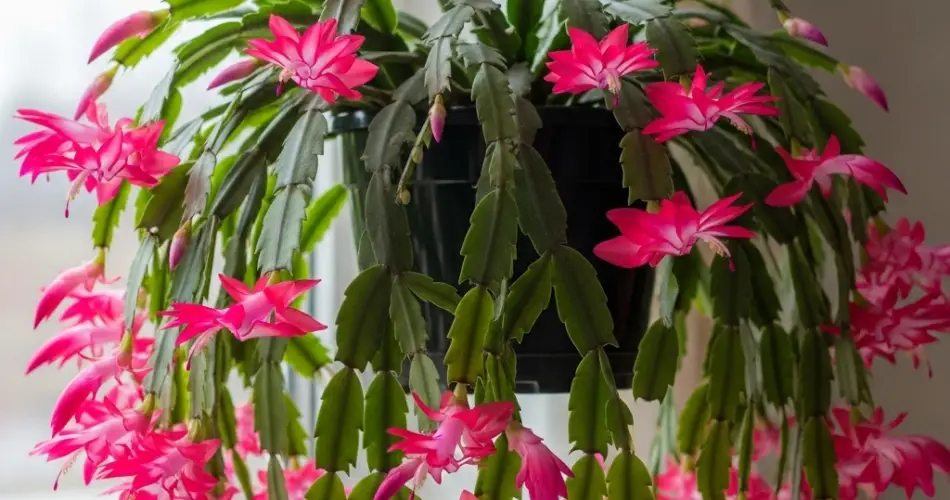
The Christmas cactus (Schlumbergera spp.) is a popular houseplant, especially around the holiday season, thanks to its vibrant blooms and relatively easy care. But if you’ve noticed your Christmas cactus starting to droop, don’t panic—this is a common issue with several possible causes. Understanding what’s going wrong can help you restore your plant to full health. In this article, we’ll explore the most likely reasons your Christmas cactus is drooping and what you can do to fix each one.
1. Overwatering
One of the most common reasons for a drooping Christmas cactus is overwatering. Unlike desert cacti, the Christmas cactus is a tropical plant and enjoys more moisture—but not soggy conditions. Overwatering can lead to root rot, which prevents the plant from absorbing nutrients and water, ultimately causing the leaves and stems to droop.
How to Fix It:
-
Check the soil moisture by sticking your finger an inch deep into the pot. If it feels wet, allow the soil to dry out before watering again.
-
Ensure the pot has proper drainage holes.
-
Consider repotting the cactus into fresh, well-draining soil if you suspect root rot.
2. Underwatering
While overwatering is a frequent culprit, underwatering can also cause drooping. A Christmas cactus that doesn’t get enough water may start to wilt, shrivel, and sag as the plant struggles to maintain its hydration levels.
How to Fix It:
-
Water the plant thoroughly until water runs out of the drainage holes, then allow the top inch of soil to dry out before watering again.
-
During blooming periods and active growth, increase watering frequency slightly, but always avoid waterlogging.
3. Improper Light Conditions
Christmas cacti thrive in bright, indirect light. Too much direct sun, especially during hot seasons, can cause the plant to become stressed, leading to limp or drooping segments. On the other hand, too little light can hinder growth and contribute to a weak, leggy appearance.
How to Fix It:
-
Move your plant to a spot with filtered sunlight, such as near a north or east-facing window.
-
Avoid placing the cactus in full sun or deep shade for extended periods.
4. Temperature Stress
These cacti prefer moderate temperatures. Sudden fluctuations, drafts, or exposure to very hot or cold conditions can cause stress and drooping. Christmas cacti grow best in temperatures between 60°F and 75°F (15°C to 24°C).
How to Fix It:
-
Keep the plant away from heaters, air conditioners, and cold windows.
-
Avoid sudden moves from one temperature zone to another.
5. Poor Soil or Pot Conditions
Heavy, compacted, or nutrient-depleted soil can suffocate roots or fail to retain the proper amount of moisture. Similarly, an old or undersized pot can restrict root growth and drainage.
How to Fix It:
-
Use a light, well-draining potting mix made for succulents or cacti, preferably with added perlite or sand.
-
Repot the plant every 2–3 years to refresh the soil and give roots more room.
-
Choose a pot with drainage holes and avoid oversized containers that hold excess moisture.
6. Nutrient Deficiency
Limp or drooping segments can also be a sign that your Christmas cactus isn’t getting the nutrients it needs. If your plant hasn’t been fed in a while, it may be struggling to grow and maintain its health.
How to Fix It:
-
Use a balanced, water-soluble houseplant fertilizer diluted to half strength every 4–6 weeks during the growing season (spring and summer).
-
Avoid fertilizing during fall and winter, especially while the plant is blooming or resting.
7. Root Bound Conditions
When the roots outgrow the pot, they become crowded and unable to absorb water and nutrients efficiently. A root-bound Christmas cactus may droop or stop growing altogether.
How to Fix It:
-
Gently remove the plant from its pot and examine the roots. If they’re tightly packed, it’s time to repot.
-
Move the plant into a slightly larger pot with fresh soil, and prune any dead or rotting roots.
8. Pest Infestation
Though relatively pest-resistant, Christmas cacti can occasionally suffer from infestations like mealybugs, spider mites, or fungus gnats. These pests can damage stems and roots, leading to drooping or unhealthy growth.
How to Fix It:
-
Inspect the plant regularly, especially around the joints and under the leaves.
-
Remove visible pests with a cotton swab dipped in alcohol or rinse the plant with water.
-
Use insecticidal soap or neem oil as a natural treatment.
Recovery and Prevention Tips
Once you’ve identified and addressed the cause of drooping, the plant should start to recover in a few weeks. Here are some tips to keep it healthy moving forward:
-
Maintain a consistent watering schedule.
-
Provide bright, indirect light year-round.
-
Rotate the plant occasionally to ensure even growth.
-
Keep it in a room with stable temperatures and good air circulation.
Conclusion
A drooping Christmas cactus is usually a sign of environmental stress or improper care. By understanding the plant’s specific needs and observing your growing conditions, you can quickly identify the problem and take corrective action. With the right care, your Christmas cactus will perk up and continue to produce beautiful holiday blooms for years to come.


