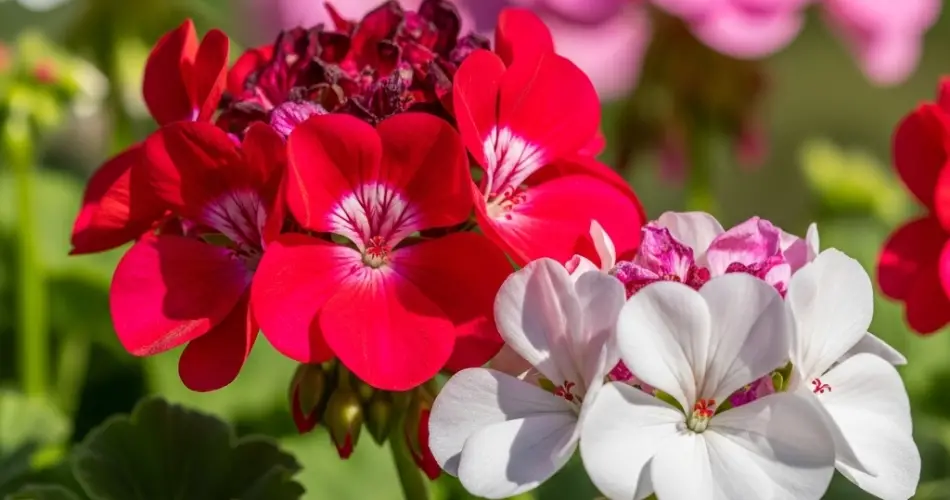
Geraniums are among the most beloved garden plants, prized for their colorful blooms and fragrant foliage. However, like many ornamental plants, they are prone to attacks from pests such as aphids, whiteflies, spider mites, and caterpillars. These pests can damage leaves, stunt growth, and affect flowering. Fortunately, there are natural and eco-friendly ways to protect your geraniums without resorting to harsh chemical pesticides. This guide outlines the best natural methods to keep your geraniums healthy and pest-free.
1. Inspect Regularly
The first step to natural pest control is early detection. Regularly inspect your geraniums—especially the undersides of leaves, stems, and flower buds—for signs of pest activity. Look out for:
-
Sticky residue (a sign of aphids or whiteflies)
-
Yellowing or curling leaves
-
Tiny webs (indicative of spider mites)
-
Holes or chewed edges on leaves
By catching infestations early, you can intervene before pests spread and cause serious damage.
2. Use a Strong Jet of Water
One of the simplest and most effective methods for removing small, soft-bodied pests like aphids and spider mites is to spray the affected plant parts with a strong jet of water. This dislodges pests without harming the plant.
-
Do this in the morning so leaves have time to dry.
-
Focus on both the upper and lower leaf surfaces.
-
Repeat every few days until pests are gone.
3. Homemade Insecticidal Soap Spray
A homemade insecticidal soap can be a powerful deterrent against many garden pests. Here’s a simple recipe:
Ingredients:
-
1 tablespoon of mild liquid dish soap (unscented)
-
1 liter of water
Instructions:
-
Mix the soap and water in a spray bottle.
-
Spray directly onto the pests and affected areas of the plant.
-
Apply in the early morning or late afternoon to avoid sunburn on the leaves.
This solution works by breaking down the outer coating of soft-bodied insects like aphids and whiteflies, causing them to dehydrate and die.
4. Neem Oil Spray
Neem oil is a natural pesticide derived from the neem tree. It disrupts the hormonal systems of insects, preventing them from feeding, laying eggs, and growing.
To use:
-
Mix 1–2 teaspoons of cold-pressed neem oil with a liter of water and a few drops of mild soap.
-
Spray your geraniums thoroughly, especially the undersides of leaves.
-
Repeat every 7–10 days during an active infestation.
Neem oil is effective against a wide range of pests and also has antifungal properties.
5. Introduce Beneficial Insects
Encouraging or introducing natural predators can help keep pest populations in check. For example:
-
Ladybugs eat aphids, mealybugs, and spider mites.
-
Lacewings consume a wide variety of soft-bodied insects.
-
Parasitic wasps target caterpillars and other harmful bugs.
You can attract these beneficial insects by planting companion plants such as dill, fennel, yarrow, or marigolds near your geraniums. These plants provide nectar and shelter that encourage natural predators to stay in your garden.
6. Use Companion Planting
Certain plants naturally repel pests with their scent or chemical compounds. Growing them near your geraniums can help deter unwanted visitors.
Effective companion plants include:
-
Garlic – Repels aphids and spider mites.
-
Chives – Discourage Japanese beetles.
-
Lavender – Deters whiteflies and moths.
-
Marigolds – Repel nematodes and a range of insects.
Incorporating these into your garden or containers can provide a protective barrier around your geraniums.
7. Maintain Healthy Growing Conditions
A strong, healthy plant is less susceptible to pest infestations. To keep your geraniums vigorous:
-
Provide plenty of sunlight – Geraniums thrive in full sun.
-
Avoid overwatering – Let the soil dry slightly between waterings to prevent root rot and fungal conditions that attract pests.
-
Prune regularly – Remove dead or yellowing leaves to improve air circulation and reduce hiding spots for pests.
-
Fertilize wisely – Use a balanced fertilizer to avoid overly lush growth, which can attract pests like aphids.
8. Use Diatomaceous Earth
Diatomaceous earth is a natural powder made from fossilized algae. When sprinkled on the soil or leaves, it acts as a mechanical pesticide, piercing the exoskeletons of insects and dehydrating them.
-
Use food-grade diatomaceous earth only.
-
Reapply after rain or watering.
-
It’s especially effective against crawling insects like ants, beetles, and caterpillars.
Final Thoughts
Geraniums are relatively low-maintenance, but they do require some protection from common garden pests. By using a combination of regular monitoring, natural sprays, beneficial insects, and smart companion planting, you can keep your plants healthy and vibrant without chemicals. These eco-friendly strategies not only protect your geraniums but also help maintain a balanced garden ecosystem.


