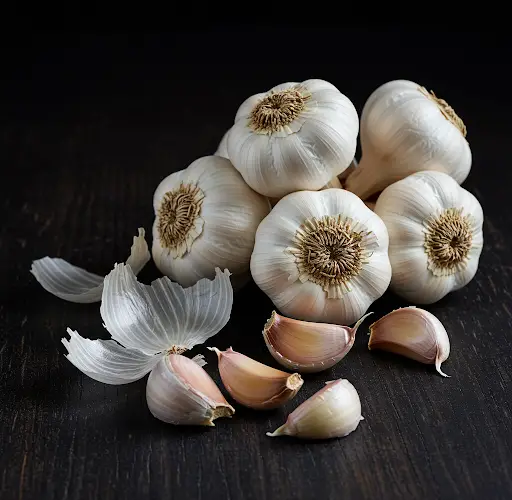
Garlic is one of the most beloved crops in the garden, valued not only for its culinary uses but also for its medicinal properties. If you’ve ever struggled with garlic that turns out small, diseased, or doesn’t store well, you’re not alone. One simple, natural trick can help you grow bigger, healthier garlic bulbs—and it all starts before you even put a clove in the ground.
This method is easy, inexpensive, and highly effective. It involves soaking your garlic cloves in a salt solution before planting. The result? Larger bulbs, improved resistance to diseases and pests, and a better overall yield.
Why salting garlic works
Salt is a natural disinfectant and antifungal agent. Soaking garlic cloves in a saltwater solution before planting helps to:
-
Kill fungal spores that may be present on the cloves
-
Reduce the risk of root rot and white mold
-
Deter soil-borne pests that can attack young garlic shoots
-
Strengthen the garlic’s natural defenses for a better start
Many experienced gardeners swear by this practice and consider it an essential step in their garlic-growing routine. It’s especially useful in damp or disease-prone soils.
When to plant garlic
Garlic is typically planted in the fall, about 2 to 4 weeks before the first hard frost. This timing allows the cloves to develop strong roots before winter while staying dormant above ground. Come spring, the plants resume growth vigorously and produce full-sized bulbs by early to mid-summer.
Whether you’re planting softneck or hardneck varieties, fall planting with pre-treated cloves gives you a major head start.
How to salt garlic before planting
Here’s a step-by-step guide to preparing your garlic with a salt soak:
Ingredients:
-
1 tablespoon of non-iodized salt (sea salt or rock salt is ideal)
-
1 liter of warm (not hot) water
-
Garlic cloves, separated but unpeeled
Optional (for extra protection):
-
1 tablespoon of baking soda
Instructions:
-
Prepare the solution: Dissolve the salt in 1 liter of warm water. If using, add the baking soda as well and stir thoroughly.
-
Separate the cloves: Break apart your garlic bulbs into individual cloves. Be careful not to damage the base of the clove, as this is where the roots will emerge.
-
Soak the cloves: Place the cloves in the saltwater solution and let them soak for 30 minutes to 1 hour.
-
Dry the cloves: After soaking, remove the cloves and let them air dry on a clean towel or tray for a few minutes. You can plant them immediately afterward.
Planting your garlic
-
Choose a sunny location: Garlic needs full sun and well-drained soil. Avoid planting in areas where you’ve grown onions, leeks, or other alliums recently, as this can encourage disease buildup.
-
Prepare the soil: Loosen the soil to a depth of about 20 cm (8 inches) and mix in well-rotted compost or aged manure. Garlic prefers slightly acidic to neutral pH.
-
Plant the cloves: Place each clove about 5–8 cm (2–3 inches) deep with the pointed end facing up. Space them 10–15 cm (4–6 inches) apart in rows spaced 20–30 cm (8–12 inches) apart.
-
Water lightly: Give the bed a light watering after planting, just enough to settle the soil.
Additional tip: mulch for winter protection
After planting, apply a layer of organic mulch, such as straw, shredded leaves, or grass clippings. This protects the soil from temperature fluctuations, prevents weeds, and helps retain moisture.
In the spring, once the risk of hard frost is gone, remove some of the mulch to allow the soil to warm up faster and encourage strong growth.
What to expect
By salting your garlic cloves before planting, you can expect:
-
Reduced risk of fungal infections and rot
-
Stronger, healthier plants
-
Bigger bulbs at harvest
-
Better storage life after harvest
This simple pre-treatment is especially effective in humid climates or gardens with heavy soil, where fungal diseases are more common.
Final thoughts
Salting garlic before planting is an age-old technique that continues to prove its worth in modern gardens. It’s a low-cost, low-effort step that can significantly improve your garlic harvest, making it a smart addition to any gardener’s fall planting routine. Whether you grow garlic for cooking, health benefits, or as a natural pest repellent in your garden, this method will help you get the most out of every bulb.
Give it a try this season—and enjoy the reward of bigger, healthier garlic when summer arrives.


