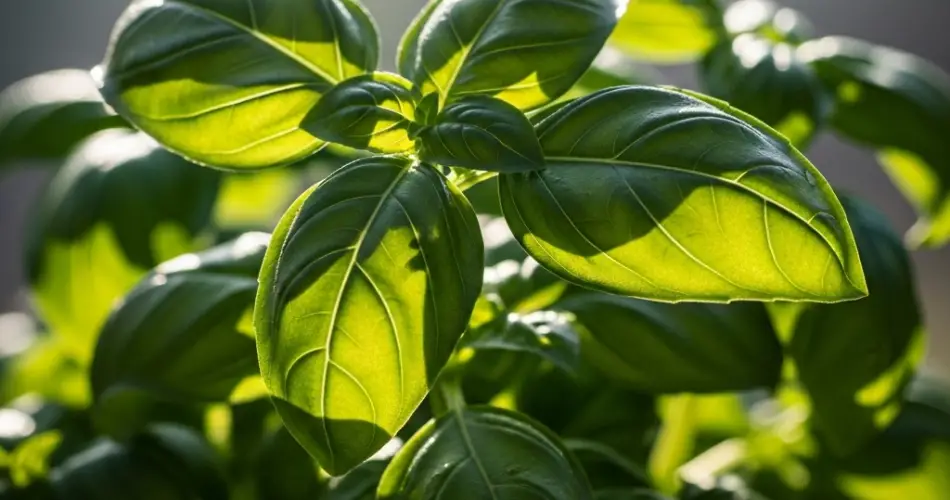
Basil (Ocimum basilicum) is more than just a fragrant kitchen herb. Whether you live in an apartment with a small urban garden, maintain a backyard vegetable plot, or simply keep a few potted plants on your balcony, basil is a must-have. With its rich aroma, wide range of uses, and healing properties, this versatile plant is easy to grow and offers numerous benefits for your health and your garden.
In this guide, we’ll explore the different types of basil leaves—broad-leaf and small-leaf varieties—their curative benefits when used in teas, how to propagate basil in water, simple care tips, and even how this herb can help protect your other plants from pests.
Types of Basil: Broad-Leaf and Small-Leaf
There are many basil varieties, but the two most commonly grown at home are:
-
Broad-leaf basil – Often referred to as Genovese basil, this type has large, glossy green leaves and a sweet, intense aroma. It’s ideal for making herbal teas or using fresh in dishes.
-
Small-leaf basil – Sometimes called Greek basil, this variety forms compact bushes with tiny leaves. It has a spicier, slightly peppery flavor and is great for ornamental pots or borders.
Both types have similar care needs and medicinal properties, so you can grow whichever suits your taste and space best.
Health Benefits of Basil Tea
One of the easiest and most beneficial ways to use basil is by making an herbal tea. Basil tea can be prepared using fresh or dried leaves and is known for its calming, digestive, and immune-boosting properties.
Health benefits of basil tea include:
-
Anti-inflammatory effects: Basil contains eugenol and essential oils that help reduce inflammation and muscle tension.
-
Digestive support: A warm infusion of basil leaves can relieve bloating, cramps, and indigestion.
-
Immune system boost: Rich in antioxidants and antibacterial compounds, basil helps your body fight off colds and infections.
-
Stress relief: Basil tea has mild adaptogenic effects, which can help reduce stress and improve mood.
To make a simple basil tea, steep a handful of fresh basil leaves in hot water for 5–10 minutes. You can enhance the flavor and benefits with a bit of honey, lemon, or ginger.
Propagating Basil in Water
One of the best things about basil is how easy it is to propagate. Even if you start with a single plant, you can multiply it by rooting cuttings in water.
Here’s how to do it:
-
Choose a healthy stem and cut just below a leaf node, making sure the cutting is 4–6 inches long.
-
Remove the leaves from the bottom half of the stem.
-
Place the cutting in a glass of clean water, ensuring the node is submerged.
-
Leave it in a bright, warm area, but not in direct sunlight.
-
Change the water every 2–3 days to prevent mold or bacteria.
-
After 7–14 days, roots will begin to grow. Once the roots are about 2 inches long, you can transplant the cutting into a pot with soil.
This method is not only cost-effective but also allows you to have a continuous supply of basil year-round.
Simple Basil Care Tips
Basil is a low-maintenance herb, but it still appreciates a bit of attention. Here’s how to keep your plant healthy and productive:
-
Sunlight: Basil thrives in full sun. Give it at least 6 hours of direct light per day.
-
Watering: Water regularly to keep the soil slightly moist, but avoid overwatering. Basil doesn’t like soggy roots.
-
Pruning: Regularly pinch off the top leaves to encourage bushier growth and prevent the plant from flowering too early.
-
Soil: Use a well-draining potting mix enriched with compost or organic fertilizer.
Natural Pest Control with Basil
Basil doesn’t just benefit people—it also helps other plants. Its strong scent repels many common garden pests, making it an excellent companion plant for tomatoes, peppers, and other vegetables.
You can also make a natural pest-repellent spray from basil:
DIY Basil Pest Spray:
-
Boil 1 cup of fresh basil leaves in 2 cups of water for about 10 minutes.
-
Let it cool, strain the liquid, and pour it into a spray bottle.
-
Add a few drops of mild liquid soap to help the solution stick to leaves.
-
Spray on the leaves of affected plants in the early morning or late afternoon.
This homemade solution can help deter aphids, whiteflies, and spider mites without the use of harmful chemicals.
Final Thoughts
Basil is more than just a flavorful herb—it’s a healing, protective, and beautiful plant that’s incredibly easy to grow. From improving your health with herbal infusions to enhancing your garden with its natural pest-repellent properties, basil deserves a place in every home.
Whether you’re growing it from seed, propagating it in water, or simply keeping a small pot on your kitchen windowsill, basil will reward you with its vibrant presence, rich aroma, and powerful benefits. Start growing your own basil today and experience the joy of homegrown wellness.


