Aluminum foil is one of the most common items found in kitchens worldwide. It is versatile, inexpensive, and convenient for storing food, baking, and even cleaning. However, an unusual yet increasingly popular practice has emerged: placing aluminum foil in boiling water. Surprisingly, this isn’t just a quirky household trick—it’s something people of all economic backgrounds, including the wealthy, are adopting for specific benefits. But why exactly do they do it, and what advantages does it offer?
The first and most widely recognized benefit of placing aluminum foil in boiling water is water purification and detoxification. Over time, water can accumulate minerals, metals, and other impurities that may not be visible to the naked eye. When aluminum foil is added to boiling water, a reaction occurs that helps neutralize some of these contaminants. While it is not a replacement for advanced filtration systems, this method can slightly reduce certain harmful substances and improve the overall quality of water used for cooking or drinking.
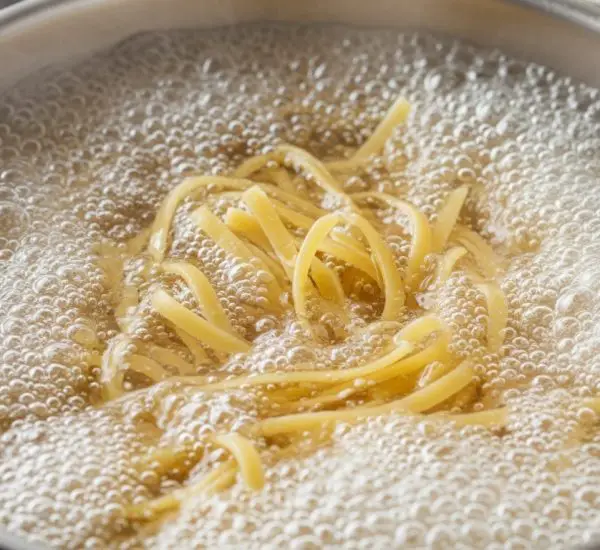
Another key reason people use this technique is to enhance cooking efficiency. Aluminum is an excellent conductor of heat. By placing foil in boiling water, the heat distribution becomes more uniform, which can be particularly helpful when preparing soups, broths, or pasta. The foil helps the water reach a consistent temperature more quickly, reducing cooking time and saving energy—a small but meaningful efficiency hack, especially in households that prioritize convenience without compromising quality.
This practice is also popular for cleaning purposes. Over time, kettles, pots, and pans can accumulate mineral deposits, often referred to as limescale. Boiling water with aluminum foil inside can help loosen these deposits. The foil reacts with the minerals in the water, assisting in breaking them down. After boiling for several minutes, the cookware can be rinsed, often requiring less scrubbing and chemical cleaners. For those who value cleanliness and sustainability, this method offers an environmentally friendly alternative to harsh cleaning agents.
Interestingly, some proponents suggest that this method can even affect taste and aroma. Foods and beverages, especially water-based recipes, can sometimes taste flat due to mineral imbalances. Using aluminum foil in the water is believed to balance these minerals slightly, enhancing the natural flavors of soups, teas, and other dishes. While scientific consensus on flavor improvement is limited, many culinary enthusiasts swear by this subtle yet notable difference.
The technique has also gained attention for its health and wellness implications. Although it’s not a medical treatment, some wellness practitioners claim that water boiled with aluminum foil can help reduce exposure to certain heavy metals and toxins, contributing to a cleaner diet. People focused on holistic living often use this method as a complementary practice to maintain a healthier kitchen environment, combining it with natural ingredients and minimal processing.
The appeal of this method among affluent households may stem from its simplicity and the perception of clever, science-based hacks. Wealthy individuals often seek small lifestyle adjustments that maximize efficiency, improve wellness, and enhance everyday experiences. Boiling water with aluminum foil is inexpensive, quick, and easy to integrate into daily routines, making it a surprisingly elegant trick that aligns with these priorities.
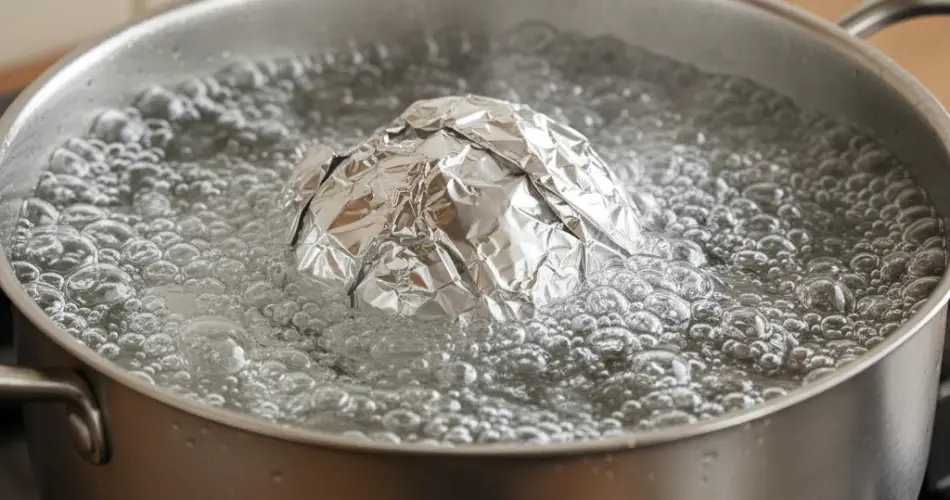
To try this at home, the process is straightforward. Fill a pot with water, tear a piece of aluminum foil into small pieces or crumple it into a loose ball, and add it to the boiling water. Allow it to boil for several minutes, then remove the foil before using the water for cooking or cleaning. Importantly, the foil should be clean and free of any coatings or inks, as these can release unwanted substances when heated.
In conclusion, while the idea of putting aluminum foil in boiling water may seem unusual, its benefits are compelling. From slightly purifying water and reducing mineral buildup in cookware to enhancing flavors and improving cooking efficiency, the method combines practicality with subtle wellness advantages. No wonder it has found fans among people from all walks of life, including those who can afford the latest kitchen technologies. Sometimes, the simplest tricks are the most effective—and in this case, a piece of foil in boiling water proves that even the wealthiest households recognize the value of smart, resourceful solutions.