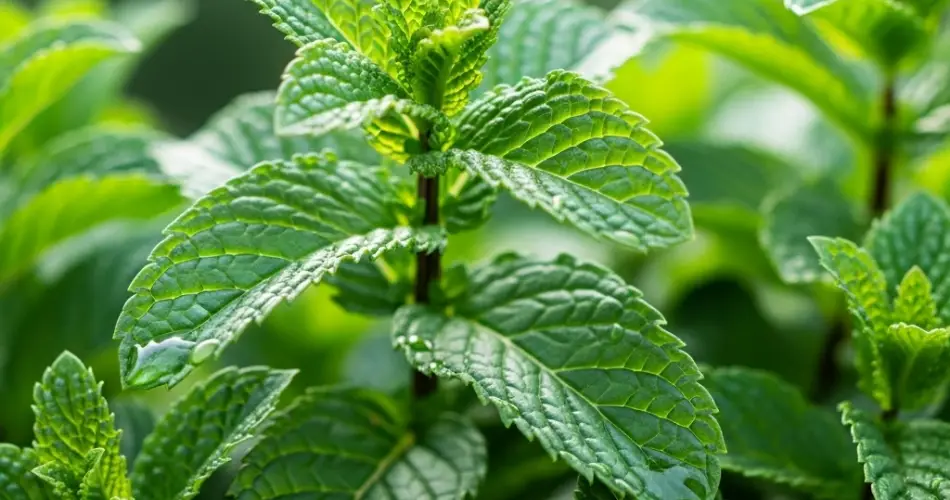
If you’re new to gardening and looking for an easy, rewarding plant to grow, mint is the perfect choice. This hardy, fast-growing herb is forgiving of mistakes, thrives in various conditions, and offers a bounty of fresh leaves that can be used in teas, cooking, and even natural remedies. With its refreshing aroma and vigorous growth habit, mint is a favorite among beginner gardeners for good reason.
Low Maintenance and Fast Growing
One of the biggest advantages of growing mint is its minimal care requirements. Mint thrives with very little attention, making it ideal for people who are just learning the ropes of gardening. It grows quickly, so you won’t have to wait long to enjoy fresh leaves. In fact, under the right conditions, mint can grow several inches in just a few weeks.
Mint prefers moist, well-draining soil and partial to full sunlight, but it’s not overly picky. It can adapt to a range of growing conditions, from shady corners to sunny patios, and it even tolerates a bit of neglect. Water it regularly, especially in hot weather, and you’ll be rewarded with a healthy, fragrant plant.
Grows Well in Containers
Mint spreads rapidly in garden beds, which can be a challenge in small spaces. That’s why it’s often best grown in containers. This not only keeps it from overtaking your other plants but also gives you more control over where it grows. You can place potted mint on a windowsill, balcony, porch, or kitchen counter with a sunny spot.
Container gardening also allows you to move the plant indoors when temperatures drop, extending your harvest season. Mint is a perennial in many climates, which means it will keep growing year after year with proper care.
Easy to Propagate
Another reason mint is great for beginners is how easily it can be propagated. If you have one healthy mint plant, you can create several more without much effort. Simply cut a stem just below a node (where the leaves grow), remove the lower leaves, and place the cutting in water. Within a few days to a week, you’ll see roots starting to form. Once the roots are about 1–2 inches long, the cutting can be planted in soil or kept in water for ongoing growth.
This makes it easy to share mint with friends, expand your herb collection, or replace an older plant with a fresh start.
Naturally Repels Pests
Mint not only grows easily, but it also helps repel common garden pests. Its strong scent is unpleasant to insects like ants, aphids, mosquitoes, and cabbage moths. Planting mint near susceptible vegetables can act as a natural insect deterrent. If you’re keeping mint indoors, it can help discourage flies and other household pests.
Just be cautious not to plant mint too close to other herbs or vegetables in the same bed, as its fast-spreading roots can become invasive and crowd out nearby plants.
Multiple Uses in the Kitchen
Growing your own mint means you’ll always have a fresh supply for a variety of uses. Mint leaves are incredibly versatile—they can be used fresh or dried in teas, added to desserts, or mixed into savory dishes like salads, sauces, and marinades. It also pairs well with fruits like watermelon and strawberries and makes a refreshing garnish for cold drinks.
Fresh mint can be harvested regularly, and the more you cut, the more it grows. Simply snip off the top few inches of the stems, just above a leaf node, and the plant will respond by producing new branches and leaves.
Encourages Gardening Confidence
For beginner gardeners, early success is key to staying motivated. Mint’s fast growth and low risk of failure provide quick wins and positive reinforcement. Watching mint flourish, even with basic care, builds confidence and encourages new gardeners to explore other herbs and vegetables. Once you’ve mastered mint, moving on to more delicate herbs like basil, cilantro, or oregano will feel less intimidating.
Tips for Growing Mint Successfully
-
Contain It: Always grow mint in a pot or container to prevent it from spreading uncontrollably.
-
Use Well-Draining Soil: Keep the soil moist but not soggy. Mint doesn’t like to sit in waterlogged conditions.
-
Prune Regularly: Regular harvesting encourages bushier growth and prevents the plant from becoming leggy.
-
Provide Sunlight: Mint grows best in partial to full sun, but it can tolerate some shade.
-
Protect in Winter: In colder climates, bring potted mint indoors or cut it back and mulch heavily to protect it outdoors.
Final Thoughts
Mint is one of the easiest and most rewarding herbs for beginner gardeners. Its rapid growth, minimal care requirements, and wide range of uses make it an ideal starting point for anyone interested in home gardening. With a single plant, you can enjoy months of fresh, fragrant leaves and build the confidence to grow even more herbs and vegetables in the future.


