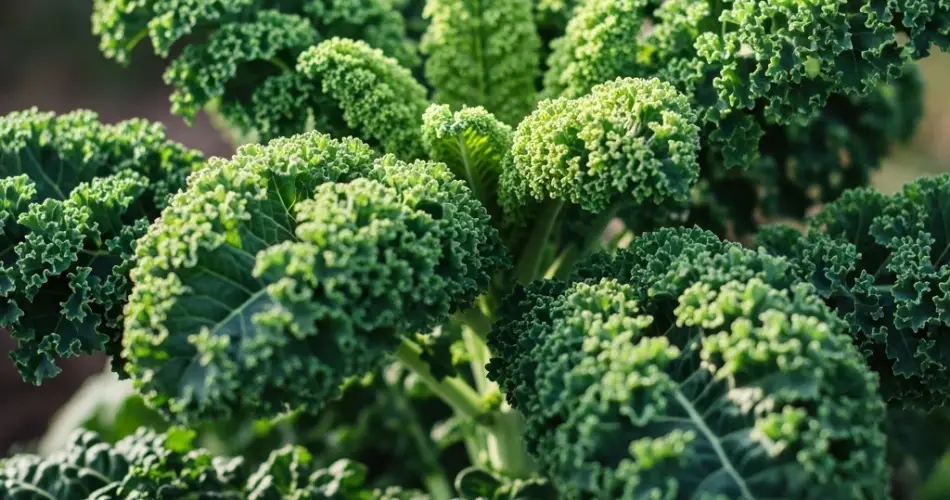
Kale is a popular leafy green that thrives in cool weather and is packed with nutrients. It’s easy to grow and highly productive, making it a favorite among home gardeners. However, one challenge many face is “bolting”—when the plant suddenly sends up a tall flower stalk and begins producing seeds. Once this happens, the leaves often become bitter and tough, and the plant shifts its energy away from producing edible foliage. Fortunately, understanding why kale bolts and how to prevent it can help you enjoy a longer, more productive harvest.
What is Bolting?
Bolting is the process in which a plant transitions from vegetative growth (leaf production) to reproductive growth (flower and seed production). This is a natural part of the plant’s life cycle, but when it happens too early—often due to stress—it can cut the growing season short and diminish the quality of your harvest.
In kale, bolting causes a rapid elongation of the central stem, followed by the appearance of flower buds. The leaves may shrink, curl, or take on a bitter taste. While bolting is inevitable eventually, certain conditions can cause it to happen prematurely.
Why Kale Bolts
There are several environmental and biological triggers that lead to bolting in kale:
-
Temperature Fluctuations
Kale is a cool-weather crop. If the weather heats up too quickly, especially after a cold spell, it can signal the plant that it’s time to reproduce. Rapid shifts between warm days and cool nights can also confuse the plant and trigger early bolting. -
Plant Age
Mature kale plants that have been in the ground for a long time are more prone to bolting. This is especially common in overwintered kale, which may bolt as soon as spring temperatures rise. -
Stress Conditions
Drought, poor soil, overcrowding, or pest infestations can stress kale plants, prompting them to bolt as a survival mechanism. -
Daylight Length
Increasing daylight hours in late spring and early summer can trigger bolting, especially in older plants. Kale senses the longer days and interprets it as the end of its growing season.
How to Prevent Kale from Bolting
While bolting can’t always be avoided, you can take several steps to delay the process and extend your kale harvest.
-
Plant at the Right Time
To get the most out of your kale, plant it during cooler parts of the year. In most climates, this means early spring and late summer. Kale thrives in temperatures between 45°F and 75°F (7°C to 24°C). Avoid planting too late in spring when the plant is more likely to experience heat stress. -
Choose Slow-Bolting Varieties
Some kale varieties are more resistant to bolting than others. Look for types specifically labeled as “slow to bolt” or suitable for warmer climates, such as ‘Dwarf Blue Curled’ or ‘Lacinato’ (also known as dinosaur kale). -
Keep the Soil Moist and Nutrient-Rich
Regular watering and well-amended soil help prevent stress. Kale prefers soil rich in organic matter, so mix in compost or aged manure before planting. Mulch around the plants to retain moisture and regulate soil temperature. -
Provide Shade in Hot Weather
As temperatures rise, offering some shade during the hottest part of the day can protect kale from heat stress. Use row covers, shade cloth, or plant taller crops nearby to create natural shading. -
Harvest Regularly
Picking the outer leaves consistently encourages the plant to keep producing foliage rather than shifting to flower production. Don’t let the plant grow too tall or mature unchecked. -
Watch for Signs of Stress
Keep an eye on your kale for signs of pests or disease. Aphids, cabbage worms, and flea beetles can damage the leaves and stress the plant, leading to premature bolting. Use organic methods like neem oil or row covers to control infestations early. -
Avoid Transplant Shock
If starting kale indoors and transplanting it outside, be sure to harden off the seedlings properly. A sudden change in temperature or light exposure can shock the plant and trigger early bolting.
What to Do If Your Kale Bolts
If your kale starts to bolt, don’t panic. You can still use parts of the plant:
-
Harvest Immediately: Pick the remaining leaves as soon as possible. They may be smaller and a bit more bitter, but they’re still edible.
-
Eat the Flower Buds: The unopened flower heads are similar to broccoli rabe and can be cooked or sautéed.
-
Let It Flower: If you let the plant go to seed, you can collect seeds for the next planting season or let it attract pollinators to your garden.
Final Thoughts
Bolting is a natural part of kale’s life cycle, but it doesn’t have to spell the end of your harvest. With thoughtful planting, consistent care, and awareness of environmental triggers, you can delay bolting and enjoy a longer season of nutritious kale. By adjusting your timing and managing stressors, you can keep your kale producing tender, flavorful leaves for weeks or even months.


