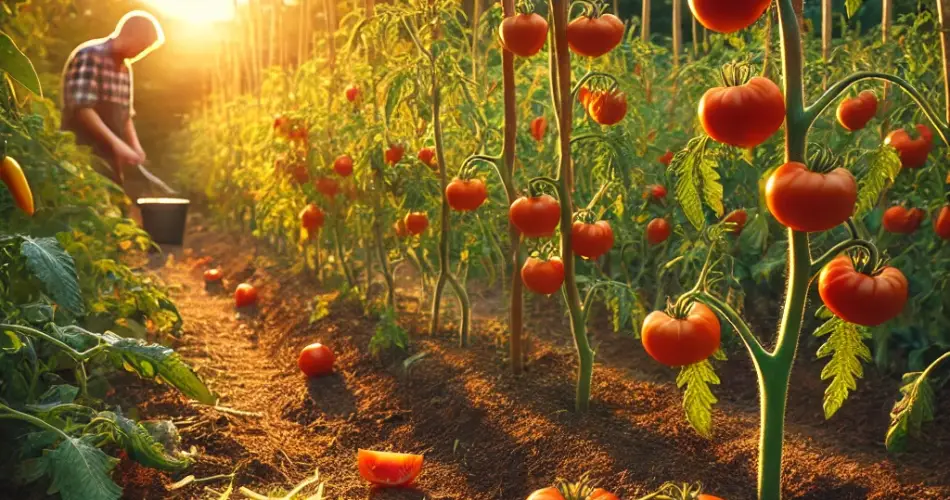
There are many types of vegetables that require shaping during growth. This is a crucial step not only for the health of the plants but also to ensure they develop nicely shaped and large fruits. By implementing proper shaping techniques, gardeners can prevent the occurrence of diseases and pests while also ensuring their plants remain productive throughout the season. We have shared many useful tips on this topic, and we hope that following our advice has helped you grow healthy, fruitful plants and recover them in case of any disease or pest attacks.
However, shaping plants is not the only step required to ensure quality vegetable production throughout the growing season. To maintain large and healthy tomato fruits until the end of the season, certain additional actions must be taken. One such technique is known as decapitation, which involves cutting off the tops of the plants to stop their growth and redirect energy into fruit formation and ripening.
Decapitation is performed once the plant has developed a sufficient number of fertile, reproductive branches. Using a sharp knife or scissors, the top of the plant is removed above the last transplanted flower branch, along with two to three leaves. However, not all tomato cultivars respond well to this method. In some cases, it can lead to excessive growth of side shoots, known as zappers, which must be removed regularly through a process called pinching.
Many people confuse pinching and decapitation. The key difference is that pinching refers to the removal of the tips of side growths, while decapitation is the removal of the plant’s main tip. By pinching, we eliminate zappers that are around 5 to 10 cm in length. This should be done once a week during the plant’s intensive growth phase, ensuring that these shoots do not overgrow and overshadow the central branch. To remove them, simply tear them off gently with your fingers at the leaf axil.
Pinching is essential for directing nutrients toward the fruit-bearing branches, promoting fruit development and ripening. If left unchecked, zappers can divert energy away from the main crop, leading to smaller and lower-quality tomatoes. For young shoots, pinching can be done by hand, but for older, thicker shoots, it is best to use scissors or a knife to avoid damaging the main stem. Interestingly, the removed zappers can be used to grow new tomato seedlings, as they are capable of developing roots when placed in soil or water.
A crucial step in tomato plant maintenance is removing the lower leaves to enhance air circulation around the base. This is particularly important because it helps prevent diseases such as downy mildew. The best time to remove leaves is when all the fruits on the first bearing branch have reached their final size or have ripened. As this process continues up the plant, leaves around ripening fruits should be gradually removed. However, excessive leaf removal at once can be harmful, so it is recommended to remove only 3 to 4 leaves at a time and repeat the process as needed.
Once the plant reaches a certain height, its top should be cut off to halt further upward growth and encourage fruit production. This step should be done once the plant has developed five to seven fruit-bearing branches. Depending on climatic conditions, you may leave a few more branches if the fruits are likely to ripen before colder temperatures arrive. However, this step is optional and depends on the grower’s preference. Without decapitation, the plant will continue to grow beyond its support and eventually bend back toward the ground, producing a larger quantity of smaller fruits. On the other hand, decapitation ensures fewer but larger, healthier fruits.
Apart from tomatoes, shaping is also essential for other vegetables, including peppers, eggplants, zucchinis, watermelons, melons, and cucumbers. For vining plants, shaping is even more critical, as it encourages the formation of more female flowers on the side branches, leading to an increased fruit yield. By decapitating these plants, gardeners can stimulate side branch growth, ensuring better fruit production.
In our case, we decided to decapitate our tomato plants above the sixth flower branch. This decision was based on our local climate, where lower temperatures start early in the season. Extending the growing period outdoors is difficult without a heated greenhouse. Furthermore, by September, we need to free up space in the greenhouse for growing winter crops such as lettuce, onions, and other leafy greens. If you’re interested in learning how to grow vegetables during the winter, follow our channel, where we will share detailed steps and useful tips for maintaining a diverse vegetable garden year-round.
In colder months, having access to homegrown vegetables is crucial for maintaining a healthy diet. With our advice, we hope that even in challenging weather conditions, many of you have successfully grown a variety of vegetables, stored some for the winter, and ensured access to nutritious food even during the colder seasons.
If you’re also interested in preparing different salads for the winter, you can find tutorials on our channel. We have a special video on making winter salad without preservatives, using just a few simple ingredients. Given the changing climate conditions, adjusting sowing and harvesting times is becoming increasingly necessary. Investing in a greenhouse can be a great solution, providing protection against diseases and pests that have been more prevalent this year in outdoor gardens.
We are always exploring new growing methods and will continue to share the best techniques with you. Our goal is to help you grow not only beautiful but also healthy fruits and vegetables. Stay with us for more gardening tips and advice!


