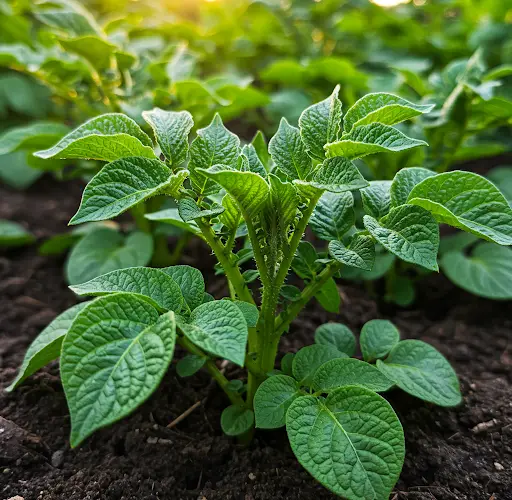
Why Using a Styrofoam Box to Grow Potatoes Produces So Many Tubers – The Secret Revealed
If you’ve ever wondered how to grow an abundant potato harvest in a small space, the answer might surprise you—Styrofoam boxes! Many gardeners have discovered that using Styrofoam containers for growing potatoes leads to impressive yields, producing more tubers than traditional ground planting. But what makes this method so effective? In this guide, we’ll explore the science behind it, how to set up your Styrofoam potato garden, and tips to maximize your harvest.
Why Styrofoam Boxes Work So Well for Growing Potatoes
Styrofoam containers create an optimal growing environment for potatoes, thanks to several key factors:
- Excellent Insulation – Styrofoam helps regulate soil temperature, keeping it warm in cool weather and preventing overheating in hot conditions. This consistent temperature encourages healthy root and tuber development.
- Moisture Retention and Drainage – The material prevents excessive evaporation while allowing excess water to drain properly when holes are added, reducing the risk of rot.
- Deep and Controlled Space – Unlike shallow garden beds, a Styrofoam box provides deep soil for potatoes to expand and grow freely.
- Protection from Pests – Raised containers help protect against soil-borne pests and diseases common in ground planting.
- Space Efficiency – You don’t need a large garden; you can place a Styrofoam box on a balcony, patio, or even indoors near a sunny window.
How to Grow Potatoes in a Styrofoam Box
Step 1: Choosing the Right Styrofoam Box
To grow a successful potato crop, select a Styrofoam container that is:
- Deep (at least 12-16 inches) to accommodate tuber growth.
- Wide enough (at least 18-24 inches across) to plant multiple seed potatoes.
- Sturdy and durable to hold the weight of soil and plants.
Step 2: Preparing the Box
- Create Drainage Holes – Using a knife or drill, make several holes at the bottom of the container to prevent water from pooling.
- Layer the Bottom – Add small rocks, broken Styrofoam pieces, or coconut coir to improve drainage.
- Prepare the Soil Mix – Use a light, well-draining soil mix made of:
- 50% potting soil
- 30% compost or well-rotted manure
- 20% sand or perlite for aeration
- A handful of bone meal or organic fertilizer (10-10-10) for nutrients
Step 3: Preparing and Planting Seed Potatoes
- Choose Certified Seed Potatoes – Avoid grocery store potatoes as they may be treated to prevent sprouting.
- Chit the Potatoes – Let them sprout by placing them in a warm, light-filled area for 2-3 weeks.
- Cut Large Potatoes – If they have multiple sprouts, cut them into pieces, ensuring each piece has at least one sprout.
- Plant in Layers –
- Fill the Styrofoam box with 4-6 inches of soil.
- Place seed potatoes with sprouts facing up, spacing them 6 inches apart.
- Cover with 3-4 inches of soil.
Step 4: Caring for Your Potato Plants
1. Watering
- Keep soil consistently moist but not soggy.
- Water 2-3 times per week, increasing frequency in hot weather.
- Check the drainage to prevent waterlogging.
2. Hilling Up for Maximum Yield
- As the plants grow 6-8 inches tall, add more soil to cover the lower stems, leaving only the top few leaves exposed.
- Repeat this every 2-3 weeks until the container is full.
- This encourages more tubers to form along the buried stems.
3. Sunlight and Temperature Needs
- Place the Styrofoam box in a full-sun location (6-8 hours of sunlight daily).
- If growing indoors, use grow lights to supplement light.
- Keep temperatures between 60-75°F (15-24°C) for optimal growth.
4. Fertilizing for Bigger Harvests
- Apply a balanced fertilizer (10-10-10) every 3-4 weeks.
- Once flowers appear, switch to a high-potassium fertilizer to boost tuber growth.
- Organic options like compost tea, banana peels, or fish emulsion work well.
5. Preventing Pests and Diseases
Even in Styrofoam containers, potatoes can be affected by pests and diseases. Here’s how to keep them at bay:
- Aphids & Potato Beetles: Handpick or spray with neem oil.
- Fungal Diseases: Ensure good airflow and avoid overhead watering.
- Blight Prevention: Remove infected leaves and apply a copper fungicide if necessary.
Harvesting Potatoes from a Styrofoam Box
Your potatoes will be ready for harvest in 10-12 weeks for early varieties and 14-20 weeks for maincrop varieties.
1. Signs Your Potatoes Are Ready
- The leaves and stems turn yellow and begin to die back.
- Flowers appear, indicating early-stage potato development.
- For larger tubers, wait 2-3 weeks after foliage dies back before harvesting.
2. How to Harvest
- Carefully tip the Styrofoam box over or scoop out the tubers with your hands.
- Shake off excess soil and let the potatoes cure in a cool, dark place for a few hours before storage.
Storing and Using Homegrown Potatoes
- Fresh Use: Store in a paper bag in a cool, dry place.
- Long-Term Storage: Keep in a dark, well-ventilated area at 45-55°F (7-13°C).
- Avoid Refrigeration: This converts starches into sugars, affecting texture and flavor.
Final Thoughts
Using a Styrofoam box to grow potatoes is an incredibly effective, space-saving method that maximizes tuber production. The insulation, drainage, and controlled environment contribute to higher yields compared to traditional planting. Whether you live in an apartment, have limited garden space, or simply want a convenient way to grow fresh potatoes, this method is worth trying. With proper care, you can enjoy a bountiful harvest of homegrown, organic potatoes right at home!


