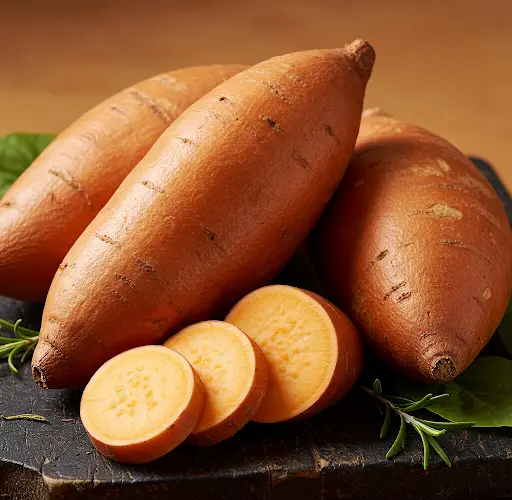
Why Do Sweet Potatoes Grown in Soil Bags Produce Large Tubers?
Growing sweet potatoes in soil bags is a highly effective method for producing large and healthy tubers. This innovative approach maximizes space, improves soil conditions, and enhances root development, leading to a bountiful harvest. But what makes soil bags such a great choice for growing sweet potatoes? Let’s explore the reasons behind the success of this method and how you can apply it for an abundant yield.
1. The Benefits of Growing Sweet Potatoes in Soil Bags
Using soil bags to cultivate sweet potatoes comes with several advantages that contribute to the growth of large tubers:
- Enhanced Soil Control: You can customize the soil composition for optimal growth.
- Improved Drainage: Proper drainage prevents root rot and allows for better aeration.
- Better Root Expansion: The loose soil structure inside the bag promotes unrestricted tuber growth.
- Space Efficiency: Ideal for small gardens, patios, or urban settings.
- Portable and Versatile: Can be moved to capture ideal sunlight conditions.
2. Selecting the Right Soil Bag
To maximize sweet potato growth, it is important to choose the right type of bag:
- Fabric Grow Bags: These allow excellent air circulation and prevent waterlogging.
- Plastic Soil Bags: Durable but require proper drainage holes.
- DIY Recycled Bags: Old rice sacks or large reusable bags can also work well with modifications.
Choose a bag with a minimum depth of 12-18 inches and a width of at least 18 inches to accommodate the expansive tuber growth.
3. The Role of Loose, Well-Draining Soil
One of the key factors in producing large sweet potato tubers is soil quality. The loose structure of soil inside bags allows for easier root expansion. The ideal soil mixture includes:
- Sandy Loam Soil: Provides excellent drainage while retaining some moisture.
- Compost or Organic Matter: Supplies essential nutrients.
- Perlite or Sand: Improves aeration and prevents compaction.
- Balanced pH (5.5 – 6.5): Slightly acidic soil is best for tuber development.
Since sweet potatoes grow beneath the soil, a well-aerated and light soil mix allows tubers to expand without resistance, leading to their larger size.
4. Optimal Growing Conditions for Large Tubers
Sweet potatoes thrive in specific conditions, and growing them in soil bags allows for better control of these factors:
Sunlight Requirements
- Sweet potatoes need at least 6-8 hours of direct sunlight daily.
- If using soil bags, you can move them around to ensure maximum exposure.
Temperature and Climate
- Ideal temperature range: 75-95°F (24-35°C).
- Soil bags retain warmth, promoting rapid tuber formation.
- Avoid cold temperatures below 50°F (10°C), as this slows growth.
Watering Strategies
- Sweet potatoes need moderate but consistent watering.
- Overwatering can lead to rotting tubers.
- Soil bags help regulate moisture by allowing excess water to drain out.
- Water once or twice a week, adjusting based on rainfall and temperature.
5. How Soil Bags Prevent Tuber Deformities
Unlike compacted garden beds, soil bags provide a loose, unrestricted growing environment. This prevents:
- Forking or Twisting: Caused by rocky, dense, or compacted soil.
- Small and Deformed Tubers: Due to lack of space or nutrients.
- Rotting or Mold Growth: Thanks to superior drainage in bags.
Since soil bags keep the medium light and well-drained, sweet potatoes can spread freely and develop into large, healthy tubers.
6. Proper Spacing and Planting Techniques
Plant spacing plays a crucial role in tuber size. Follow these guidelines:
- Place 1-2 sweet potato slips per bag to avoid overcrowding.
- Position slips 6 inches apart if using larger bags.
- Plant slips 2-3 inches deep to establish strong root systems.
- Keep vines pruned and directed upward to focus energy on root development.
By avoiding overcrowding, each plant gets sufficient nutrients and space to produce larger tubers.
7. Fertilization for Maximum Growth
Sweet potatoes benefit from a balanced fertilization approach:
- Early Growth Stage: Use nitrogen-rich fertilizer to promote vine growth.
- Mid-Growth Stage: Switch to phosphorus and potassium fertilizers to enhance tuber formation.
- Organic Options: Compost, bone meal, and wood ash provide essential minerals naturally.
- Avoid Excess Nitrogen: Too much nitrogen causes excessive vine growth but smaller tubers.
Applying compost or organic fertilizers every 4-6 weeks keeps the plants well-fed and ensures robust tuber development.
8. Air Pruning and Its Benefits
Fabric soil bags promote a process called air pruning, which enhances root growth:
- When roots reach the edges of the bag, they stop growing outward and develop new offshoots.
- This encourages a denser root system, leading to more nutrient absorption.
- A healthier root system results in larger, well-formed tubers.
This natural phenomenon is unique to grow bags and plays a major role in improving sweet potato yield.
9. Pest and Disease Prevention
Soil bags reduce common sweet potato pests and diseases:
- Fewer Soil-Borne Pests: Compared to garden beds, soil bags have better pest control.
- Less Risk of Nematodes: Proper drainage and fresh soil prevent infestations.
- Better Airflow: Minimizes fungal infections and root rot.
- Portable for Protection: Easily moved indoors or under cover during extreme weather.
To further prevent problems, rotate soil after each harvest and introduce natural pest deterrents like neem oil or companion plants (e.g., marigolds).
10. Harvesting at the Right Time
Sweet potatoes take 90-120 days to mature, depending on the variety. To harvest successfully:
- Check for yellowing leaves, a sign that tubers are ready.
- Carefully lift the soil bag and loosen the soil to avoid damaging tubers.
- Allow tubers to cure for 7-10 days in a warm, dry place before storage.
The ability to control harvesting conditions in soil bags ensures that tubers reach their maximum size before being collected.
Conclusion
Growing sweet potatoes in soil bags is an excellent method for producing large, healthy tubers. The combination of loose soil, improved drainage, optimal spacing, and air pruning creates an environment where sweet potatoes can thrive without restriction. Whether you have a small space or want to increase your yield, soil bags offer a practical and efficient solution for growing sweet potatoes at home.
By following the best practices outlined above, you can enjoy a bountiful harvest of large, nutrient-rich sweet potatoes using this sustainable and beginner-friendly gardening method. Try it out and experience the benefits for yourself!


