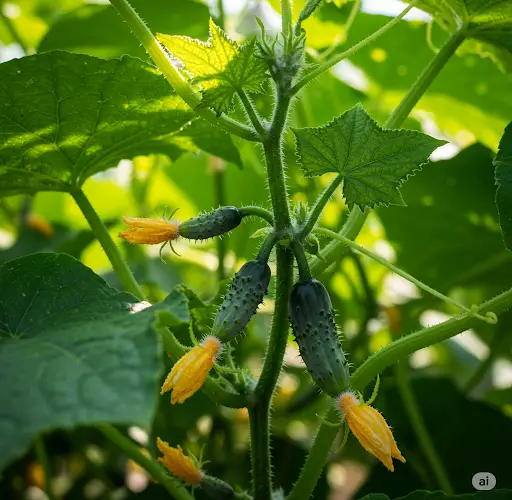
Growing tomatoes can be incredibly rewarding, but it’s not without its challenges. One common issue that alarms gardeners is the sight of twisted or curled tomato leaves. While it might look like a sign of disease or irreversible damage, in many cases, leaf curling is a symptom that can be treated effectively. Here’s a closer look at the main causes of twisted tomato leaves and how to fix them instantly or prevent them altogether.
1. Environmental Stress
One of the most common causes of leaf twisting is environmental stress. This includes rapid changes in temperature, strong winds, or inconsistent watering.
-
Heat stress: High temperatures, especially during midday, can cause the leaves to curl upwards to reduce water loss.
-
Wind exposure: Strong winds can damage delicate tomato foliage and lead to curling.
-
Water stress: Both overwatering and underwatering can result in leaf curling. Overwatering leads to root damage, while underwatering causes dehydration—both conditions prevent the plant from absorbing nutrients properly.
Fix: Ensure your tomato plants are in a stable environment. Water deeply but infrequently to promote strong root development. Mulch around the base to retain moisture and consider using windbreaks to protect plants from harsh gusts.
2. Nutrient Imbalance
Twisted leaves can also indicate a lack or excess of certain nutrients, especially nitrogen.
-
Nitrogen excess: When tomatoes receive too much nitrogen, they produce lush, fast-growing foliage that can become distorted or curled.
-
Calcium or magnesium deficiency: These deficiencies can lead to weak, twisted leaves and even blossom end rot on fruits.
Fix: Use a balanced tomato fertilizer or organic compost. Avoid overusing nitrogen-rich fertilizers. If deficiencies are suspected, consider adding a calcium-magnesium supplement or using natural remedies like crushed eggshells and Epsom salt dissolved in water (1 tablespoon per liter).
3. Herbicide Damage
Herbicide drift from nearby lawns or fields can affect tomato plants, even if the herbicide wasn’t sprayed directly on them. Leaves may curl, twist, or become abnormally narrow.
Fix: Unfortunately, herbicide damage is difficult to reverse. However, if the plant hasn’t been severely affected, it may outgrow the damage with time. Prevent future incidents by avoiding herbicide use near your vegetable garden and by communicating with neighbors about their spraying routines.
4. Pest Infestation
Certain pests, particularly aphids and whiteflies, feed on the sap of tomato plants and can cause leaves to curl and twist. These insects also secrete honeydew, which can attract mold.
Fix: Inspect the underside of the leaves for pests. If found, spray the plant with a solution of water and a few drops of natural dish soap, or use neem oil as an organic insecticide. Introducing beneficial insects like ladybugs can also help keep pest populations in check.
5. Viral Diseases
Although less common, twisted leaves can be a sign of a viral infection such as Tomato Yellow Leaf Curl Virus. In these cases, you may notice additional symptoms like stunted growth and discolored leaves.
Fix: Viral infections have no cure, so infected plants should be removed and destroyed to prevent the virus from spreading. Avoid planting tomatoes in the same spot for a few seasons and use disease-resistant varieties when possible.
6. Over-Pruning or Physical Damage
Sometimes, leaf twisting is simply due to mechanical damage from over-pruning or handling. Tomato plants are sensitive, and rough handling can lead to leaf curling.
Fix: Be gentle when pruning or tying up vines. Use soft garden ties and avoid overhandling the foliage.
Final Tips for Healthy Tomato Plants
-
Consistent care: Water on a regular schedule, and avoid getting water on the leaves to reduce the risk of fungal diseases.
-
Proper spacing: Give your tomato plants enough space for air to circulate, which helps prevent diseases and supports healthy growth.
-
Monitor regularly: Keep an eye on your plants every few days. Catching problems early makes them much easier to fix.
Twisted or curled tomato leaves may be alarming, but they’re often a cry for help rather than a sign of disaster. By identifying the root cause—be it environmental stress, pests, or nutrient imbalance—you can take quick action to restore your plant’s health. With proper care and attention, your tomatoes can bounce back and reward you with a bountiful harvest.


