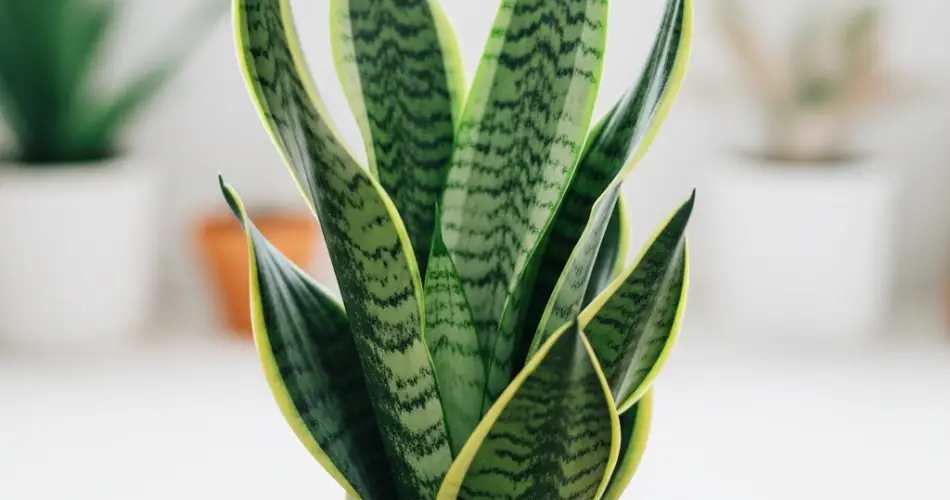
Among the many plants favored by gardeners and indoor plant lovers, the Sansevieria stands out as a true treasure. Also commonly known as Snake Plant or Mother-in-Law’s Tongue, Sansevieria is one of the most popular houseplants worldwide. Its popularity is well-deserved, given its hardiness, unique beauty, and numerous benefits.
This article explores why nearly all gardeners keep Sansevieria at home, its various uses, and how to care for this remarkable plant.
What is Sansevieria?
Sansevieria is a genus of succulent plants native to tropical West Africa. Known for its upright, sword-shaped leaves, the plant has a striking architectural presence that suits almost any decor style—from modern apartments to rustic homes.
The most common species is Sansevieria trifasciata, characterized by long, green leaves with light horizontal stripes. Other varieties include Sansevieria cylindrica with cylindrical leaves and Sansevieria hahnii, a smaller, compact variety.
Why is Sansevieria so Popular?
1. Air Purification:
One of the biggest reasons gardeners love Sansevieria is its air-purifying abilities. NASA studies have shown that Sansevieria removes toxins such as formaldehyde, benzene, and trichloroethylene from indoor air. This makes it an excellent plant for improving indoor air quality.
2. Low Maintenance:
Sansevieria is extremely hardy and drought-tolerant. It thrives on neglect, making it perfect for beginners or those with busy lifestyles. The plant requires minimal watering and can survive in low-light conditions, though it prefers indirect bright light.
3. Decorative Appeal:
Its tall, stiff leaves with unique patterns add a sculptural element to any room or garden. It complements various design aesthetics from minimalist to eclectic.
4. Health Benefits:
Beyond air purification, Sansevieria is known to increase humidity and oxygen levels, which can improve respiratory health and promote better sleep.
Uses of Sansevieria
-
Indoor Decor: Sansevieria’s striking appearance makes it a favorite indoor ornamental plant. It’s suitable for living rooms, bedrooms, bathrooms, and offices.
-
Outdoor Plant: In warm climates, Sansevieria can also be grown outdoors as part of rock gardens, patios, or container gardens.
-
Natural Air Filter: Place the plant in bedrooms or workspaces to enhance air quality and create a calming atmosphere.
-
Feng Shui: In Feng Shui practice, Sansevieria is believed to ward off negative energy and bring good luck and protection.
How to Care for Sansevieria
Despite its reputation as an easy-care plant, following a few simple tips can help your Sansevieria thrive and stay beautiful:
1. Light:
Sansevieria is versatile and can adapt to low, medium, or bright indirect light. Avoid prolonged direct sunlight, which can scorch the leaves.
2. Watering:
Overwatering is the most common cause of problems. Water your Sansevieria only when the top 2 inches (5 cm) of soil are dry. In winter, reduce watering to once a month. The plant stores water in its leaves, so it tolerates drought well.
3. Soil:
Use well-draining potting soil, ideally formulated for succulents or cacti. Good drainage prevents root rot, a common issue for Sansevieria.
4. Temperature and Humidity:
Sansevieria prefers temperatures between 60°F and 85°F (15°C–29°C). It can tolerate average household humidity but avoid extremely humid or cold drafts.
5. Fertilizing:
Feed your plant with a balanced liquid fertilizer diluted to half strength during spring and summer once a month. Avoid fertilizing in the dormant winter months.
Propagation
Sansevieria is easy to propagate, making it a plant you can share with friends and family.
-
Division: When repotting, divide the rhizomes with roots and plant separately.
-
Leaf Cuttings: Cut a healthy leaf into sections and let the cut ends dry for a day or two. Plant these sections in moist soil. Roots will develop over time.
Common Problems and Solutions
-
Root Rot: Caused by overwatering or poor drainage. Remove affected roots and reduce watering.
-
Pests: Occasionally, Sansevieria may attract mealybugs or spider mites. Wipe leaves with soapy water or treat with neem oil.
-
Leaf Damage: Yellow or brown tips can indicate too much water, low humidity, or direct sun exposure.
Final Thoughts
Sansevieria is undoubtedly one of the best plants to have at home. Its combination of easy care, air-purifying qualities, and elegant appearance has made it a household favorite for gardeners worldwide. Whether you’re a beginner or a seasoned plant enthusiast, this “treasure” will reward you with beauty and health benefits.
Bring home a Sansevieria today and enjoy cleaner air, enhanced décor, and the satisfaction of nurturing one of nature’s most resilient plants.


