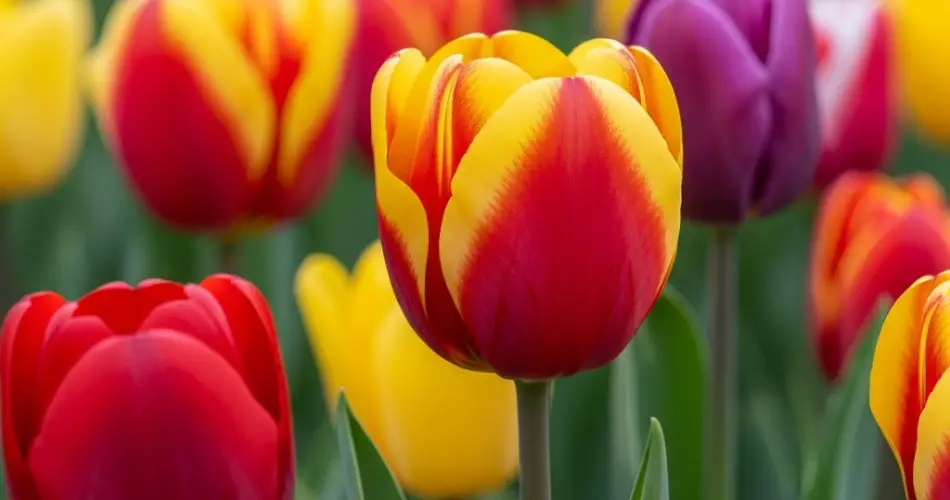
Tulips are one of the most beloved spring-blooming flowers, known for their elegant shapes and vibrant colors. To enjoy a spectacular spring display, timing your tulip planting correctly is crucial. Unlike some perennials, tulips require a chilling period to develop healthy blooms. That’s why understanding the right season and climate conditions is key to successful planting.
This guide breaks down everything you need to know about when to plant tulip bulbs and how to give them the best start for a dazzling spring show.
Why Timing Matters for Tulips
Tulips are classified as spring-flowering bulbs, but they must be planted in the fall to bloom in the spring. The reason? Tulips need a period of cold dormancy, typically 12 to 14 weeks, to activate their blooming cycle. Without this chilling period, the bulbs may grow foliage but fail to flower.
This cold requirement mimics the tulip’s native habitat in Central Asia and the Middle East, where winters are cold and dry, followed by mild springs.
Best Time to Plant Tulips by Region
The general rule for planting tulips is:
Plant bulbs 6–8 weeks before the ground freezes and after nighttime temperatures consistently fall below 50°F (10°C).
Here’s a breakdown by climate zone:
Cold Climates (Zones 3–5)
-
Ideal planting time: Late September to early October.
-
Tulips in these zones experience natural cold dormancy, making them ideal for long-term perennial planting.
-
Be sure to plant before the ground freezes, giving bulbs time to establish roots.
Moderate Climates (Zones 6–7)
-
Ideal planting time: October to early November.
-
The soil is still workable, but the air temperature is cool enough to trigger dormancy.
-
You can still achieve strong spring blooms with proper timing and mulching.
Warm Climates (Zones 8–10)
-
Ideal planting time: November to early December—but with a twist.
-
Tulip bulbs in warm regions need pre-chilling in a refrigerator (not freezer) for 10–12 weeks.
-
Store them in a breathable bag away from fruits like apples or bananas, which emit ethylene gas that can damage bulbs.
Soil and Site Preparation
Once you’ve picked the right planting time for your region, it’s time to prepare the planting area:
-
Location: Choose a sunny spot that gets at least 6 hours of sunlight per day.
-
Soil: Ensure well-draining soil. Tulips do not like soggy conditions and may rot if left in standing water.
-
Soil prep: Loosen the soil to about 12 inches deep and mix in compost or aged manure to improve drainage and fertility.
If your soil is clay-heavy, consider planting tulips in raised beds or adding sand to improve structure.
How to Plant Tulip Bulbs
Follow these simple steps for planting:
-
Depth: Plant bulbs 6 to 8 inches deep, measuring from the base of the bulb.
-
Spacing: Space bulbs about 4 to 6 inches apart.
-
Orientation: Place the bulb with the pointy end facing up.
-
Watering: Water thoroughly after planting to help the bulbs settle and initiate root growth.
-
Mulching: Apply a light layer of mulch to insulate the soil and regulate moisture, especially in areas with fluctuating winter temperatures.
Tips for a Successful Bloom
-
Don’t plant too early: Planting while the soil is still warm can cause bulbs to sprout prematurely, making them vulnerable to frost.
-
Avoid overwatering: After the initial watering, let natural rainfall suffice unless there’s a drought.
-
Label your beds: It’s easy to forget where you planted tulips, especially if you mix them with other perennials. Use markers for easy identification.
Post-Planting Care
After planting, there’s not much else to do until spring. Tulips naturally go dormant during winter and don’t need extra protection unless temperatures drop extremely low.
In early spring, you’ll see tulip shoots emerge, followed by buds and blooms. Once the tulips bloom:
-
Deadhead spent flowers to prevent seed formation.
-
Allow foliage to die back naturally—this lets the bulb store energy for the next season.
Can You Plant Tulips in Spring?
While fall is the ideal planting time, it’s possible to plant tulips in early spring if the bulbs were chilled beforehand. However, the bloom quality may be reduced, and in some cases, they may not flower at all during that season.
For best results, always aim for a fall planting schedule, especially if you want consistent, vibrant blooms year after year.
Final Thoughts
Planting tulip bulbs at the right time ensures a stunning display of color when spring arrives. By following your region’s planting window and giving bulbs the cold treatment they need, you’ll enjoy strong, healthy tulips that brighten your garden after a long winter. With a little planning and preparation, your tulip garden can be a highlight of your outdoor space each spring.


