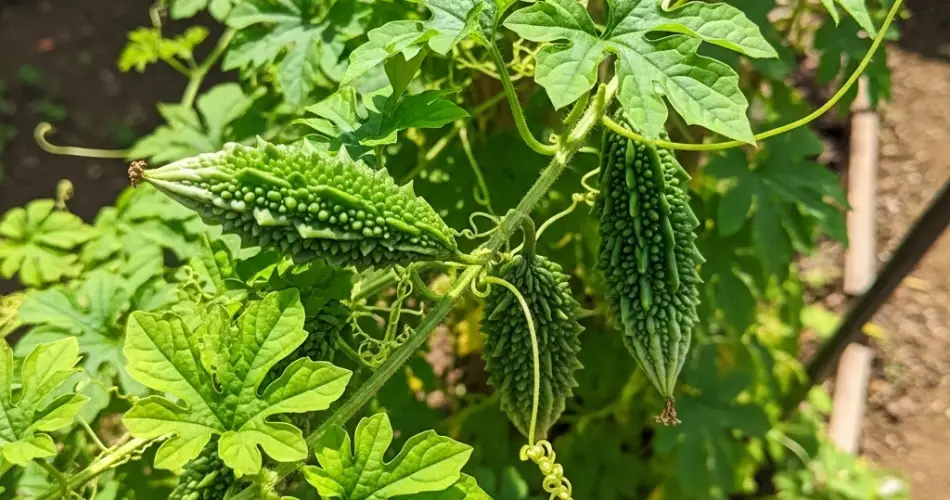
Bitter melon, also known as bitter gourd or Momordica charantia, is a tropical vine grown for its unique, bumpy fruits with a distinctively bitter flavor. Popular in Asian, African, and Caribbean cuisines, bitter melon is prized for both its culinary uses and its health benefits. However, harvesting this fruit at the right time is essential to ensure the best flavor, texture, and nutritional value.
Whether you’re a first-time grower or an experienced gardener looking to optimize your harvest, understanding when and how to harvest bitter melon correctly will help you make the most of your crop.
Understanding Bitter Melon Growth Stages
Bitter melon grows on climbing vines and typically begins producing fruit 2 to 3 months after sowing. The fruit grows rapidly once it forms and must be harvested promptly for the best taste.
The key to a successful harvest lies in timing—bitter melons left too long on the vine become overly ripe, more bitter, and start to yellow or turn orange. At this stage, they lose their culinary value and may split open, revealing bright red seeds.
When to Harvest Bitter Melon
Harvest timing varies slightly depending on the variety and growing conditions, but most bitter melons are ready to pick about 12 to 16 days after flowering. Here are signs to look for when your bitter melons are ready to harvest:
1. Size
Each variety has its typical mature size:
-
Indian varieties are generally slender and 4–6 inches long.
-
Chinese varieties tend to be smoother, larger, and can grow up to 8–10 inches.
Check seed packet information or your seed supplier’s recommendations for the specific size range of your variety.
2. Color
-
The fruit should be a consistent medium to pale green, depending on the variety.
-
Avoid waiting until the fruit turns yellow or orange, as that signals overripeness.
3. Texture
-
The skin should be firm and still bumpy.
-
A slightly glossy appearance indicates the fruit is fresh and ready.
4. Days from Flowering
Mark the flowers when they appear, and count about 2 weeks forward—this is generally the harvest window.
Harvesting too early may result in underdeveloped fruits with a harsh taste. Too late, and the bitterness becomes overpowering and the seeds start to harden.
How to Harvest Bitter Melon
Once your bitter melons are ready, harvesting is simple and can be done in a few easy steps:
Step 1: Use Clean, Sharp Tools
-
Use garden scissors or pruning shears to prevent damaging the vine.
-
Cut the stem about ½ inch above the fruit to leave a short stub attached.
Step 2: Handle with Care
-
Bitter melons bruise easily. Handle them gently to avoid damaging the delicate skin.
-
Avoid yanking or twisting the fruit off the vine, as this can harm the plant or nearby flowers.
Step 3: Harvest Regularly
-
Check your plants daily once fruits begin to mature.
-
Frequent harvesting encourages the plant to produce more flowers and fruits.
-
If you leave mature fruits on the vine too long, it signals the plant to stop producing.
Post-Harvest Tips
After harvesting, you can extend the shelf life and flavor of bitter melon by following these storage tips:
-
Storage: Keep harvested fruits in the refrigerator. They last about 4 to 7 days when stored in a paper or perforated plastic bag.
-
Do not wash before storing, as moisture can speed up spoilage.
-
Use promptly to enjoy the freshest flavor and texture.
Using Overripe Fruits
If a fruit turns yellow or orange, it has likely ripened fully. While it’s no longer ideal for cooking, you can still use the seeds to grow new plants.
-
Remove the red arils (seed coverings) and rinse the seeds.
-
Allow them to dry completely before storing in a cool, dry place.
Note that seeds from hybrid varieties may not grow true to the parent plant, but open-pollinated varieties usually do.
Encouraging Continued Production
To keep your bitter melon plants productive:
-
Harvest fruits promptly.
-
Provide regular water and balanced organic fertilizer during fruiting.
-
Support the vine with a strong trellis to keep fruits off the ground, which also makes harvesting easier and improves air circulation.
Vines can continue producing for several weeks or even months under ideal conditions, so consistent harvesting is key to maximizing yield.
Final Thoughts
Bitter melon may have a short harvest window, but with careful observation and timely picking, you can enjoy a steady supply of tender, flavorful fruits throughout the growing season. Knowing when and how to harvest bitter melon ensures you get the best taste and texture from your crop, and it helps your plants stay healthy and productive. Whether you’re growing it in your backyard, balcony, or greenhouse, these tips will guide you to a successful and rewarding harvest.


