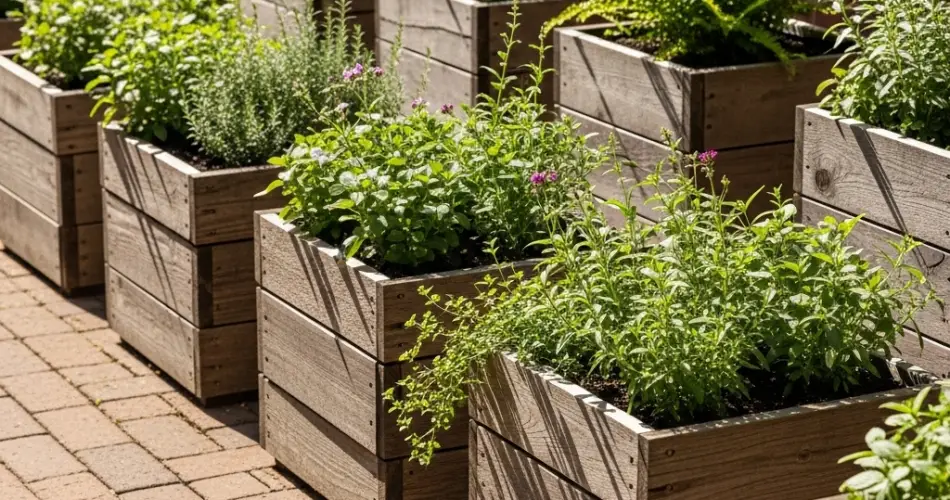
Building your own plant boxes is a great way to customize your garden space, especially if you’re working with a balcony, patio, or small backyard. One of the most important decisions in this DIY project is choosing the right type of wood. The wood you select will directly affect your planter’s durability, appearance, and environmental impact. In this article, we’ll explore the best wood options for plant boxes, along with their pros and cons, so you can make an informed choice for your garden.
Key Considerations Before Choosing Wood
Before diving into specific wood types, consider these important factors:
-
Durability: The wood should be resistant to rot, insects, and moisture, especially if the plant box will sit outdoors.
-
Safety: Avoid wood that has been chemically treated with substances that may leach into the soil and affect plant health.
-
Cost: Some woods are more affordable than others, so choose one that fits your budget while still offering good longevity.
-
Workability: The wood should be easy to cut, drill, and assemble.
-
Sustainability: Opting for wood that is sustainably harvested can reduce environmental impact.
Best Types of Wood for Plant Boxes
1. Cedar
Cedar is one of the most popular choices for garden boxes, and for good reason. It’s naturally resistant to rot, decay, and insect damage. Cedar’s oils act as a natural preservative, making it ideal for outdoor use without the need for chemical treatment.
-
Pros: Long-lasting, lightweight, attractive grain, naturally resistant to rot and pests.
-
Cons: More expensive than some other woods.
-
Best for: Raised garden beds, balcony planters, and backyard garden boxes.
2. Redwood
Redwood shares many qualities with cedar, including natural resistance to decay and insects. It’s a durable and visually appealing choice for planter boxes, with rich color and smooth grain.
-
Pros: Highly durable, rot-resistant, elegant appearance.
-
Cons: Often more expensive and less widely available.
-
Best for: High-end garden designs or long-lasting planters in exposed areas.
3. Douglas Fir
Douglas fir is a more affordable alternative and commonly available in many regions. While it doesn’t have the same natural resistance as cedar or redwood, it can last several years if properly sealed and maintained.
-
Pros: Inexpensive, widely available, strong.
-
Cons: Prone to rot if untreated, needs regular sealing.
-
Best for: Indoor or covered outdoor planters, or gardeners on a tight budget.
4. Pressure-Treated Pine (Use With Caution)
Pressure-treated wood is chemically treated to resist rot and insects, making it long-lasting in outdoor conditions. However, older types of pressure-treated wood used harmful chemicals like chromated copper arsenate (CCA), which can leach into the soil. Modern pressure-treated wood is safer, but caution is still advised, especially when growing edibles.
-
Pros: Long-lasting, rot- and insect-resistant.
-
Cons: Possible chemical leaching, not ideal for food gardens.
-
Best for: Decorative or non-edible plant boxes.
Tip: If using pressure-treated wood, line the interior of the box with heavy-duty plastic or landscaping fabric to create a barrier between the soil and the wood.
5. Teak and Other Hardwoods
Teak and similar tropical hardwoods are incredibly durable and naturally resistant to weather and pests. These woods are often used in outdoor furniture and can be excellent choices for premium plant boxes.
-
Pros: Extremely durable, weather-resistant, long lifespan.
-
Cons: Very expensive, may not be sustainably harvested.
-
Best for: Long-term use in exposed outdoor environments.
Eco-Friendly and Reclaimed Options
Using reclaimed wood is a sustainable way to build planter boxes, provided the wood is untreated and free of contaminants. Old pallets, fencing, or barn wood can be repurposed into rustic, charming containers. Always sand reclaimed wood thoroughly and inspect it for nails, mold, or chemical treatments.
Protecting and Maintaining Wood Planter Boxes
Regardless of the wood type you choose, proper care can extend the life of your planter:
-
Seal the Wood: Use a non-toxic, food-safe wood sealer or natural oils like linseed or tung oil to protect against moisture.
-
Elevate the Box: Raise it slightly off the ground to improve drainage and reduce the risk of rot at the base.
-
Line the Inside: Adding landscaping fabric or plastic sheeting inside the planter can prevent direct contact between moist soil and wood.
-
Regular Inspection: Check for signs of rot, insect damage, or warping, especially after heavy rains.
Conclusion
The best wood for your plant box depends on your budget, aesthetic preferences, and how long you want the box to last. Cedar and redwood are top-tier choices for longevity and appearance, while Douglas fir and reclaimed wood offer more budget-conscious and eco-friendly alternatives. Avoid chemically treated wood when growing vegetables or herbs, and always take steps to protect your planter from moisture damage. With the right wood and care, your plant boxes will not only look great but also serve you for many seasons to come.


