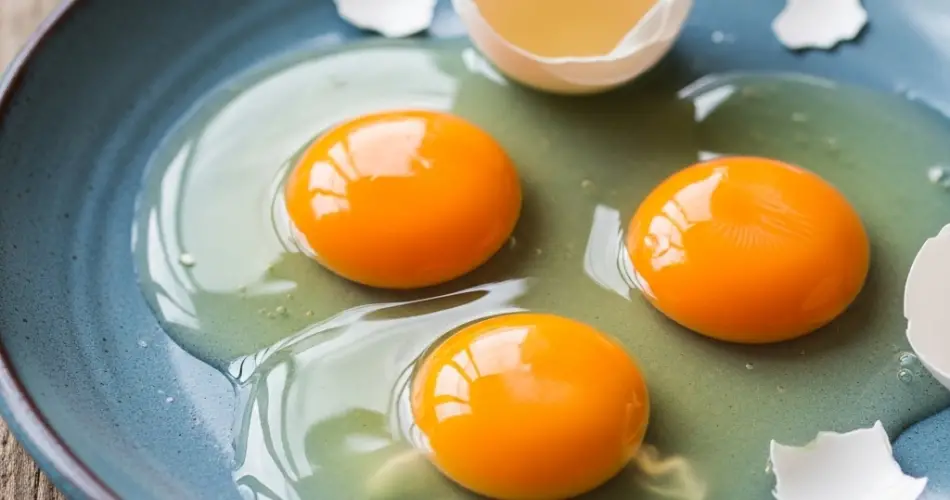
If you’ve ever cracked open a raw egg, you may have noticed a small, round, white spot sitting on the yolk. For many people, this tiny speck raises immediate questions: Is it safe? Does it mean the egg is fertilized? Should I remove it? The truth behind this mysterious white spot, known as the chalaza, is both fascinating and completely natural.
Understanding the Chalaza
The white spot in eggs is called the chalaza (plural: chalazae). It is a small, rope-like structure made of protein, located on either side of the egg yolk. The chalaza acts as an anchor, holding the yolk in the center of the egg white (albumen). This positioning is essential because it ensures the yolk remains suspended, protecting it from damage and allowing for even cooking or baking. Without the chalaza, the yolk could settle against the eggshell, increasing the risk of breaking or sticking to the shell membranes.
Many people mistake the chalaza for an imperfection or a sign that the egg is old or spoiled. In reality, the presence of the chalaza indicates freshness. As eggs age, the chalaza weakens and becomes less visible, so older eggs may not have a prominent white spot.
Is the Chalaza Safe to Eat?
Absolutely. The chalaza is entirely edible and harmless. It is made of the same proteins found in the egg white, including albumin, which is rich in essential amino acids. In fact, the chalaza is a natural part of the egg’s structure and does not affect taste or quality. Chefs and bakers often leave it in without concern, and in professional kitchens, the chalaza is rarely removed when eggs are used in cooking or baking.
Some people choose to remove it for aesthetic reasons, particularly when making delicate dishes such as custards, clear soups, or smooth sauces. The chalaza can occasionally be slightly tougher than the surrounding egg white, but it generally softens during cooking.
The Role of the Chalaza in Egg Quality
The strength and visibility of the chalaza are actually indicators of egg quality. Fresh eggs typically have firm, prominent chalazae, while older eggs have weaker, less noticeable ones. This is because the chalaza is composed of protein fibers that naturally degrade over time. Therefore, when you see a well-defined white spot, you can be confident that the egg is fresh.
In addition to freshness, the chalaza plays a minor role in protecting the developing yolk in fertilized eggs. It helps keep the yolk centered so that if the egg were incubated, the embryo would remain properly positioned. Even in commercially sold eggs, which are usually unfertilized, the chalaza serves its structural purpose.
Common Misconceptions About the White Spot
There are several myths surrounding the chalaza:
-
It’s a Fertilized Egg: Many people assume that the white spot is a sign of fertilization. In reality, all eggs, whether fertilized or not, contain a chalaza. Fertilized eggs may have additional signs, such as a small blood spot, but the chalaza itself is not an indicator of fertility.
-
It Means the Egg Is Bad: On the contrary, a prominent chalaza is a sign of freshness. Older eggs may have less noticeable chalazae, but their presence alone does not indicate spoilage.
-
It Must Be Removed for Cooking: While it can be removed for appearance or texture in certain recipes, it is not necessary. Most culinary uses, including scrambled eggs, omelets, and baked goods, work perfectly fine with the chalaza intact.
Tips for Handling Chalazae
If you prefer smooth textures in your dishes, you can easily remove the chalaza: simply use a spoon, fork, or your fingers to lift it out. For baking, whisking the egg vigorously can also break up the chalaza, ensuring it blends seamlessly with the rest of the mixture.
Conclusion
That strange white spot in raw eggs is nothing to worry about. The chalaza is a natural and beneficial part of the egg’s structure, keeping the yolk centered and protected. Its presence is actually a mark of freshness, and it is perfectly safe to eat. While some choose to remove it for aesthetic or texture reasons, there is no need to do so in most cooking and baking applications.
Understanding the chalaza not only clears up confusion about this curious white spot but also offers insight into the amazing natural design of eggs. Next time you crack an egg, take a moment to appreciate this tiny, yet remarkable feature—proof that even the simplest ingredients have fascinating science behind them.