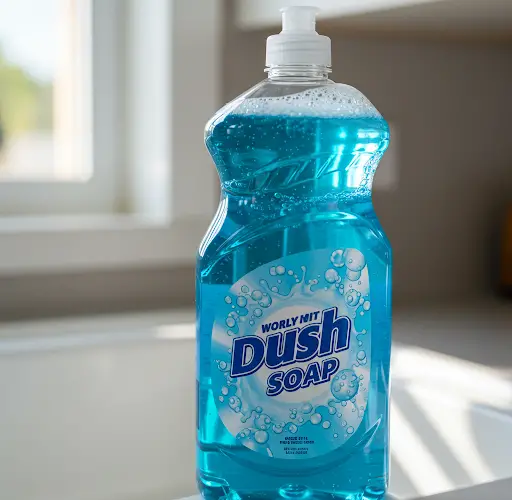
What Happens When You Use Dish Soap on Your Plants?
You may have heard that dish soap can be used as an insecticide to help eliminate pests from your plants. But what happens when you apply dish soap directly to your plants or their soil? Is it safe? In this article, we’ll explain the science behind using dish soap on plants, how it works, and how you can use it correctly without harming your plants.
The Science Behind Dish Soap and Water
When you mix water and dish soap, something interesting happens. Water, as a liquid, is made up of molecules that are bonded by hydrogen bonds, while oil molecules have covalent bonds. If you’ve ever tried to mix water and oil, you know they don’t combine well—oil floats on top of water. However, when you add dish soap to the water, it acts as an emulsifier. An emulsifier helps mix these two substances that usually don’t combine, allowing oil and water to blend into a single, uniform solution.
Dish soap, particularly mild or neutral soap, has the ability to break down oils and grease, which is why it works well as a cleaner. But how does this relate to your plants?
How Dish Soap Can Help Your Plants
When applied correctly, dish soap can have a beneficial effect on your plants in specific situations. For example, one of the common challenges gardeners face is when soil becomes too compacted. This happens when the soil in the pot or garden bed becomes hard and dry, causing water to simply run off instead of being absorbed by the roots. When this happens, the plant struggles to receive the nutrients and hydration it needs.
This is where dish soap can help. By creating a mixture of water and a small amount of mild dish soap, you can break up the compacted soil and help it absorb water more effectively.
How to Prepare the Solution
To create a soil-enhancing solution, you’ll need the following ingredients:
-
1 liter of water
-
4 drops of mild dish soap (preferably neutral soap)
Instructions:
-
Pour 1 liter of water into a container.
-
Add 4 drops of mild dish soap to the water.
-
Stir the solution thoroughly until the soap is completely dissolved.
The soap helps to loosen the compacted soil, making it easier for the water to penetrate and reach the roots of the plant. This ensures that the water can travel throughout the soil, providing hydration and nutrients to all parts of the root system, not just the outer edges.
When and How to Use the Soap Solution
You can use this solution on any type of plant that may be struggling with compacted or dry soil. It’s especially helpful when you notice that the water is not being absorbed properly or when you’re dealing with dry, hard soil that resists water.
Apply this solution once every three months to your plants to help improve water absorption. It’s a simple and natural way to make sure the soil remains loose and water can flow freely to the roots.
You can apply the solution directly to the soil by pouring it around the base of the plant. It’s important to note that you should only use this mixture sparingly. A little goes a long way, and too much soap can cause harm to the plant. Overuse of soap in the soil could lead to an imbalance in the soil’s microbial life or cause damage to the plant roots.
The Benefits of Using Dish Soap on Plants
When used in moderation, dish soap can provide several benefits to your plants:
-
Improved Water Absorption: As mentioned earlier, dish soap can help break up compacted soil, allowing water to penetrate and reach the plant’s roots more effectively. This is especially important for plants in containers or pots, where the soil may become more compacted over time.
-
Enhanced Drainage: If you notice that your plant’s pot or soil is not draining well, dish soap can improve drainage by loosening up the soil. This prevents water from pooling on the surface and allows it to flow freely through the soil, reducing the risk of root rot.
-
Pest Control: Mild dish soap can also be used as an insecticide to combat pests such as aphids, mites, and other small insects. The soap disrupts the pests’ cell membranes, leading to their death. To use it as an insecticide, you can apply the same solution to the leaves of your plants, being sure to target both the top and bottom surfaces.
-
Safe for Most Plants: When diluted properly, dish soap is safe for most plants. However, it’s essential to avoid using it on plants that are sensitive to chemicals or soap residues. Always test the solution on a small part of the plant first before applying it more broadly.
Tips for Best Results
-
Use Mild Soap: Always choose a mild, neutral dish soap that doesn’t contain harsh chemicals, fragrances, or dyes. These additives can potentially harm your plants.
-
Don’t Overdo It: Use the soap solution sparingly. Too much soap can harm plant roots and the surrounding soil. Four drops of soap per liter of water is plenty.
-
Water Regularly: Even with the soap solution, ensure your plants continue to receive regular watering as needed. This solution doesn’t replace your regular watering routine but helps improve water absorption.
Conclusion
Using a mild dish soap solution can be a simple and effective way to improve soil drainage, water absorption, and pest control for your plants. By incorporating this method into your plant care routine every few months, you can keep your plants healthy and thriving, ensuring they get the hydration and nutrients they need for strong growth. Just remember to use the solution sparingly, and always test it on a small part of the plant to avoid any unintended side effects.


