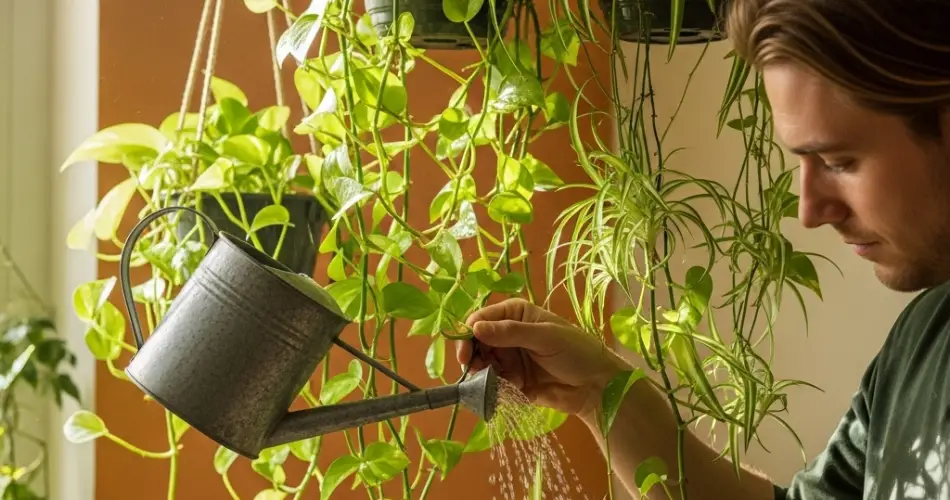
Hanging plants add charm, color, and life to any space, whether indoors or outdoors. From trailing ivy to vibrant petunias and elegant ferns, these suspended beauties are perfect for balconies, patios, and small apartments. But watering them can be tricky—especially without creating a mess. Water dripping onto furniture, floors, or carpets can be frustrating, and overwatering can harm your plants. Thankfully, there are effective ways to hydrate hanging plants while keeping your space clean and tidy.
Here’s a comprehensive guide to watering hanging plants without making a mess.
Understand Your Plant’s Water Needs
Before tackling technique, it’s important to know how much water your specific hanging plant needs. Different plants have different moisture preferences. For example:
-
Ferns and Boston ferns prefer consistently moist soil.
-
Succulents and string of pearls like drier soil with less frequent watering.
-
Flowering annuals such as petunias or calibrachoa may need more water during hot seasons.
Always check the soil moisture before watering. If the top inch feels dry, it’s usually time to water.
Use the Right Pot and Liner
Choosing the correct container makes a big difference in minimizing mess:
-
Select pots with drainage holes to prevent root rot. While drainage is essential, it can cause dripping—so use a drip tray or saucer beneath.
-
Double potting is a popular method. Place the plant’s nursery pot inside a decorative hanging pot without holes. This way, water collects in the outer pot and not on your floors.
-
Use coconut liners or moisture-retaining liners for outdoor baskets. These help slow water release and reduce drips.
If your hanging plant is indoors and placed over delicate flooring, ensure a watertight catchment system is in place.
Water Slowly and Evenly
A common mistake when watering hanging plants is doing it too quickly. Fast watering can cause overflow or poor absorption. Instead:
-
Water slowly, allowing the soil to soak it in.
-
Use a watering can with a narrow spout or a long-necked bottle to reach high or awkward spots.
-
Apply water in intervals. Pour a little, let it absorb, then add more if needed.
This helps prevent water from rushing through the pot and spilling out.
Use a Watering Wand or Self-Watering System
If your hanging plants are difficult to reach, a watering wand attached to a hose is a helpful tool. The extended neck allows you to control water flow and direction, reducing spillage.
For indoor or balcony use, consider a self-watering hanging planter. These containers have a water reservoir at the bottom, allowing plants to take up moisture as needed through capillary action.
Catch Excess Water
To avoid messes, always plan for water overflow:
-
Install drip trays beneath hanging pots. Choose trays that are slightly larger than the base of the pot to catch runoff.
-
For added protection indoors, place a plastic or silicone mat under the hanging area or position the plant over a non-porous surface like tile.
-
For plants hung over living areas, take the plant down to water in the sink or tub. Let it drain thoroughly before rehanging.
This method is especially useful for plants that need a good soaking but can’t be left dripping in place.
Water with Ice Cubes
For small hanging plants, ice cube watering is a clever trick. Place a few ice cubes on top of the soil, and they’ll melt slowly, giving the roots time to absorb moisture without sudden overflow.
This technique works well for orchids, pothos, or philodendrons in hanging pots, especially indoors.
Use Moisture-Retaining Soil
Using the right potting mix also helps minimize watering frequency and runoff:
-
Choose soil with good water retention—a mix that contains peat moss, coco coir, or vermiculite.
-
Avoid overly sandy soils, which drain too quickly and can waste water.
Amending soil with organic matter improves its ability to hold moisture and reduces the need for frequent watering.
Monitor and Adjust
Plants’ water needs change with the seasons. During summer, hanging plants may need more frequent watering due to heat and wind exposure. In cooler months or shaded areas, reduce watering.
Signs of overwatering include yellowing leaves, root rot, and soggy soil. Underwatering often shows up as dry, crispy leaves or wilting.
Monitor your plants regularly and adjust your watering routine based on weather, humidity, and growth stage.
Final Thoughts
Watering hanging plants doesn’t have to mean messy floors or water-stained furniture. By using the right pots, watering techniques, and moisture management strategies, you can keep your plants thriving while maintaining a clean and tidy space. Whether indoors or outdoors, these tips will help you enjoy your greenery without the drips and puddles.


