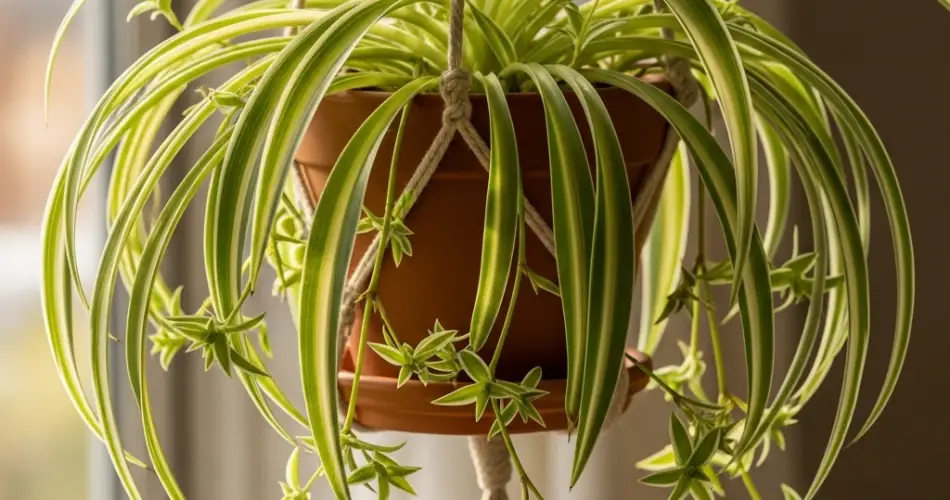
Spider plants (Chlorophytum comosum) are among the most popular houseplants thanks to their hardiness, graceful arching leaves, and ability to thrive in a variety of indoor conditions. Their distinctive green-and-white striped foliage and proliferating baby plantlets make them appealing for beginners and experienced gardeners alike. To maintain a healthy, vibrant spider plant, proper watering, feeding, and repotting practices are essential. This guide provides practical tips to help your spider plant thrive for years.
Watering Spider Plants
Watering is the foundation of healthy spider plant care. While these plants are resilient, improper watering is a common cause of yellowing leaves, brown tips, or stunted growth.
Understanding Their Needs
Spider plants prefer moderately moist soil but do not tolerate soggy conditions. Their roots are prone to rot if the soil remains waterlogged, while overly dry soil can cause leaf tips to brown.
Watering Guidelines
-
Frequency: Water your spider plant when the top inch of soil feels dry to the touch. In most indoor settings, this translates to about once a week, though frequency may vary based on temperature, humidity, and light.
-
Method: Water thoroughly until excess drains from the bottom of the pot. This ensures even soil moisture and encourages healthy root development.
-
Winter Adjustment: During colder months, growth slows, and the plant requires less water. Reduce watering accordingly to prevent root rot.
Consistency is key. Maintaining a regular watering schedule helps spider plants grow strong, vibrant leaves and supports the development of healthy plantlets.
Feeding Your Spider Plant
Spider plants benefit from periodic fertilization, which supplies essential nutrients that support lush foliage and vigorous growth.
Fertilizer Types
-
Balanced liquid fertilizer: A water-soluble, all-purpose fertilizer works well during the growing season.
-
Slow-release granules: These provide steady nutrients over time, reducing the need for frequent feeding.
Feeding Schedule
-
Fertilize every 4–6 weeks during spring and summer, when the plant is actively growing.
-
Reduce or stop fertilization during fall and winter, as the plant’s growth naturally slows.
Tips for Effective Feeding
-
Dilute liquid fertilizer to half the recommended strength to avoid over-fertilization, which can burn roots or damage foliage.
-
Apply fertilizer when the soil is moist to prevent concentrated nutrient exposure on dry roots.
Proper feeding supports thicker, greener leaves and encourages the production of healthy plantlets.
Repotting Spider Plants
Repotting ensures your spider plant has room to grow and access to fresh, nutrient-rich soil. Over time, spider plants can become root-bound, limiting growth and causing soil to dry out quickly.
When to Repot
Signs that your spider plant needs repotting include:
-
Roots circling the inside of the pot or growing out of drainage holes.
-
Slowed growth despite proper care.
-
Soil that dries excessively fast or appears compacted.
Choosing a Pot and Soil
-
Select a container slightly larger than the current pot, usually 1–2 inches wider in diameter.
-
Ensure the pot has drainage holes to prevent water accumulation.
-
Use a well-draining potting mix, such as standard indoor plant soil blended with perlite or sand for improved aeration.
Step-by-Step Repotting
-
Gently remove the plant from its current pot, loosening the root ball carefully.
-
Trim any damaged or overly long roots.
-
Place the plant in fresh soil, filling around the roots while lightly pressing to eliminate air pockets.
-
Water thoroughly after repotting and place in bright, indirect light to help the plant recover.
Regular repotting, typically every 1–2 years, keeps your spider plant healthy, encourages new growth, and prevents overcrowding.
Additional Care Tips
-
Light: Spider plants thrive in bright, indirect light but can tolerate moderate indoor light. Avoid direct sun, which may scorch leaves.
-
Humidity: While adaptable, higher humidity levels support optimal growth and reduce browning of leaf tips.
-
Cleaning: Wipe leaves periodically to remove dust and improve photosynthesis.
-
Propagation: Spider plants produce plantlets, or “pups,” which can be easily propagated in water or soil to expand your collection.
Conclusion
Proper watering, feeding, and repotting are the pillars of spider plant care. By maintaining consistent moisture without overwatering, providing regular, balanced fertilization, and repotting as needed, you can ensure your spider plant remains lush, healthy, and full of energy. With minimal effort, these hardy houseplants will continue to produce vibrant leaves and charming plantlets, making them a delightful and enduring addition to any indoor space.


