Drying laundry in winter can be one of the biggest household challenges. Shorter days, weak sunlight, high humidity, and heavier fabrics make it difficult to get clothes completely dry. For those without a dryer, it can seem almost impossible to have fresh, dry laundry in a reasonable amount of time.
Fortunately, there’s a simple, cost-effective method that helps your clothes dry much faster—even in cold or damp weather. The secret lies in how you use your washing machine and a few clever drying tricks that anyone can do at home.
Why Clothes Take Longer to Dry in Winter
Before diving into the method, it’s useful to understand why drying laundry becomes such a struggle during the colder months. In winter, air circulation indoors is limited because we keep windows closed, humidity levels rise due to heating systems, and sunlight exposure drops significantly.
In addition, winter clothing tends to be made of heavier materials—like wool, denim, and thick cotton—that retain more water after washing. As a result, even after hours of hanging, clothes may still feel damp and develop unpleasant odors.
While an electric dryer solves this issue for many households, not everyone has one, and using it frequently can significantly increase energy costs. That’s why learning how to dry clothes faster without one is both practical and economical.
Step One: Start With the Right Washing Machine Settings
The process for fast drying begins in the washing machine. The less water your clothes retain after washing, the quicker they’ll dry afterward.
When selecting a wash program, always choose a high spin cycle. This step is crucial because it removes as much excess water as possible. Most modern washing machines allow you to set the spin speed manually—opt for the maximum level your fabric can handle without risk of damage.
For delicate garments, check the label first. If they can’t handle strong spinning, don’t worry—there’s still a trick you can use after the wash is done.
The Towel Trick: A Secret for Faster Drying
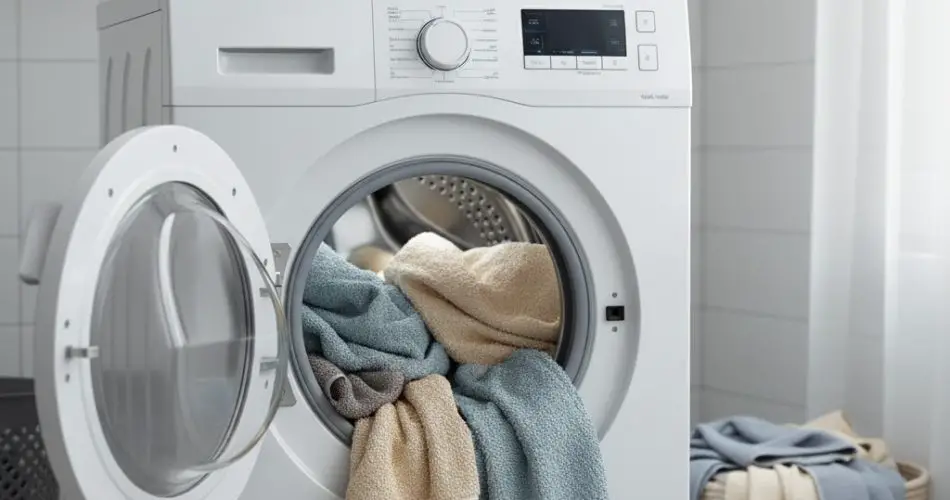
Once the wash cycle is finished, open the washing machine door and add a clean, dry towel to the damp laundry. One towel is enough for a half load; use two for a full load.
Close the door again and run only a spin cycle. The towel will act like a sponge, absorbing extra moisture from the clothes while the drum spins.
When the cycle ends, you’ll notice that your laundry is no longer dripping wet—it will be just slightly damp, ready to hang and dry completely in a fraction of the usual time.
This simple yet effective trick can save you hours of waiting. After removing the laundry, hang the clothes on a drying rack, making sure to leave some space between each garment to allow air to circulate freely. If the weather allows, hang them outside for the best results. In mild sunlight or a light breeze, they could be fully dry in as little as 15 minutes.
If outdoor drying isn’t possible, position your rack near a radiator or heat source, but not too close to avoid overheating or damaging the fabric.
How to Dry Hand-Washed Clothes
Some garments, like pure wool sweaters, can’t go in the washing machine and must be washed by hand. These tend to retain a lot of water even after careful wringing, which makes them tricky to dry.
In this case, the towel method still works perfectly:
-
Lay a clean, dry towel flat on a table or countertop.
-
Place your wet garment on top of it.
-
Roll the towel and the garment together tightly, like a sushi roll.
-
Gently press along the roll to help the towel absorb the excess water.
After a few minutes, unroll the towel—the sweater will be much drier and ready to lay flat for air drying. This prevents stretching or deforming the fabric while ensuring a faster drying process.
Quick Fixes When You Need a Dry Garment Immediately
We’ve all been there—you wash a shirt or a pair of jeans and then realize you need to wear it within the hour. Fortunately, there are a couple of emergency methods to speed up the process even more.
1. Ironing Damp Clothes
Set your iron to a low temperature without steam and turn the garment inside out. Ironing the fabric helps evaporate moisture quickly while smoothing wrinkles. Once one side feels warm and dry, flip the garment and repeat on the other side.
Then, hang it on a clothes hanger for about ten minutes. The residual heat will continue drying the fabric. If necessary, give it a final quick iron to ensure a crisp, dry finish.
2. Using a Hair Dryer
Another handy option is to use a blow dryer. Hold it at least 50 centimeters (about 20 inches) away from the fabric to avoid overheating or damaging the fibers. Move the dryer constantly to distribute the warm air evenly.
This trick is particularly effective for smaller items or wool garments that you can’t iron safely. It allows you to dry specific areas, such as cuffs or collars, without waiting for the whole garment to air dry.
Additional Tips for Faster Drying
-
Choose the right drying location: Pick a well-ventilated area in your home. Even in winter, try to open a window slightly to let moisture escape.
-
Use a fan: A simple fan can drastically reduce drying time by improving air circulation around your clothes.
-
Avoid overcrowding: Never pile too many garments on the rack. The more space each piece has, the faster it dries.
-
Use hangers for shirts and blouses: Hanging them upright allows air to reach both sides evenly.
Final Thoughts
Drying laundry in winter doesn’t have to be a frustrating or time-consuming chore. With a few simple tricks—starting with a strong spin cycle, using the towel method, and taking advantage of gentle heat—you can achieve perfectly dry clothes in a fraction of the time.
Whether you’re drying jeans, sweaters, or delicate fabrics, these techniques save energy, money, and effort, all while keeping your clothes fresh and soft. So the next time gloomy weather slows down your laundry routine, remember: all it takes is one towel and a little strategy to dry your clothes quickly and efficiently.