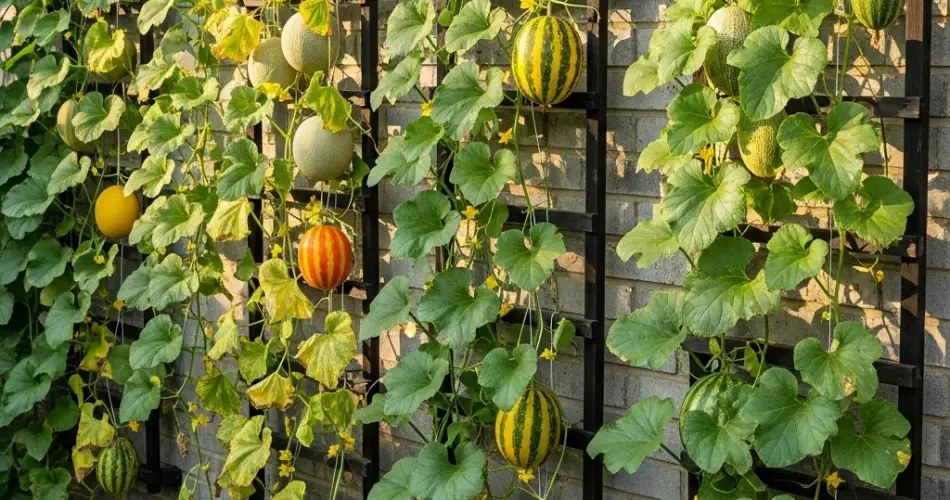
Melons are often thought of as crops suited only for large garden plots or sprawling fields, but with the right approach, they can thrive even in compact urban settings. Balcony gardeners, in particular, can enjoy the sweet reward of homegrown melons by turning to wall trellis systems. These vertical gardening structures not only save valuable floor space but also provide strong, reliable support for melon vines to climb, resulting in cleaner fruit, improved airflow, and a more productive harvest.
Why Grow Melons on a Balcony?
For many urban dwellers, access to a large garden is a luxury. Yet melons—though traditionally ground-sprawling plants—can adapt surprisingly well to balcony conditions when trained vertically. Balcony melon gardening offers several advantages:
-
Maximized space: Trellising turns vertical walls into productive growing areas.
-
Better plant health: Vertical growth promotes air circulation, reducing the risk of mildew and fungal diseases.
-
Cleaner fruit: Hanging melons avoid contact with soil, pests, and moisture that cause rotting.
-
Decorative greenery: Vines climbing a trellis bring natural beauty to concrete balconies.
By using a wall trellis system, you can transform a small balcony into a thriving mini-garden that produces fresh, juicy melons right outside your door.
The Benefits of Wall Trellis Systems
A wall trellis system involves attaching a sturdy frame directly to an existing wall or railing, providing vertical space for vines to climb. These systems are particularly effective for balconies because they:
-
Save ground space – Unlike free-standing trellises, wall systems don’t take up extra room.
-
Provide stability – Anchored directly to a wall, they can handle the weight of vines and supported fruits.
-
Enhance sunlight exposure – By positioning the trellis on a sunny wall, vines receive maximum light for growth and fruiting.
-
Offer versatility – Trellises can be built from wood, metal, or wire grids, depending on budget and style preferences.
Choosing the Right Melon Varieties for Balcony Growing
Not all melon types are suitable for small-space gardening. For balcony setups, opt for compact or small-fruited varieties. These produce lighter fruits that are easier to support on a wall trellis. Recommended options include:
-
Cantaloupe: Compact growth with manageable fruit sizes.
-
Charentais melon: A small French variety with excellent flavor.
-
Mini watermelons: Perfect for balconies due to their lighter weight.
-
Honeydew (dwarf types): Sweet and refreshing, with relatively small fruits.
Selecting smaller varieties reduces the need for heavy-duty supports and makes balcony melon gardening more practical.
Building or Installing a Wall Trellis
When setting up a wall trellis system for melons, strength and stability are key. Here are some effective design options:
-
Wooden lattice panels: Simple to attach to balcony walls, offering plenty of gripping points for tendrils.
-
Metal grid panels: Strong, durable, and resistant to outdoor weather.
-
Wire or cable systems: Minimalist and sleek, these allow vines to weave upward while saving space.
-
Expandable wall trellises: Adjustable wooden or metal frames that can be fitted to different wall sizes.
Whichever design you choose, ensure the trellis is securely fastened to withstand the combined weight of vines, fruits, and wind exposure on higher balconies.
Training Melon Vines on the Trellis
To get the best results, start guiding your melon vines onto the trellis early:
-
Initial training – As vines grow, gently tie them to the trellis with soft twine or plant clips. Avoid tight knots that may damage stems.
-
Pruning – Remove unnecessary side shoots to encourage the plant to focus energy on fruit-bearing branches.
-
Spacing vines – Spread vines evenly across the trellis to prevent crowding and ensure sunlight reaches all leaves.
-
Supporting fruits – Since melons are heavy, use fabric slings, mesh bags, or netting tied to the trellis to cradle developing fruits and prevent stress on the vines.
Balcony Care Tips for Melon Plants
Even with the support of a wall trellis, melons require attentive care:
-
Container size: Use deep crates, large pots, or raised boxes with good drainage to accommodate melon roots.
-
Soil: Fill containers with nutrient-rich, well-draining soil mixed with compost.
-
Sunlight: Position the trellis on a wall that receives at least 6–8 hours of direct sun daily.
-
Watering: Keep soil evenly moist, especially during flowering and fruit development, but avoid waterlogging.
-
Feeding: Apply organic fertilizer or compost tea every few weeks to promote steady growth.
Since balconies are often windy, check your trellis regularly to ensure both vines and fruits remain secure.
Harvesting Balcony-Grown Melons
Once fruits are supported and ripening, monitor them closely. Signs of readiness include:
-
A distinct sweet aroma near the stem.
-
A slight change in skin color, depending on variety.
-
The stem beginning to crack or slip easily when tugged.
Harvest gently by cutting melons from the vine with sharp pruners. Avoid pulling, which may damage both the fruit and plant.
Final Thoughts
Wall trellis systems make it entirely possible to enjoy fresh, homegrown melons from the comfort of your balcony. By guiding vines vertically, providing proper support, and selecting the right varieties, you can transform limited space into a productive fruit garden. Not only do trellised melons grow cleaner and healthier, but they also add vibrant greenery and charm to urban living spaces.
If you’ve dreamed of savoring juicy melons from your own harvest but thought space was a limitation, a well-planned wall trellis system may be the perfect solution. With a little effort and creativity, your balcony can become a vertical oasis brimming with sweet rewards.


