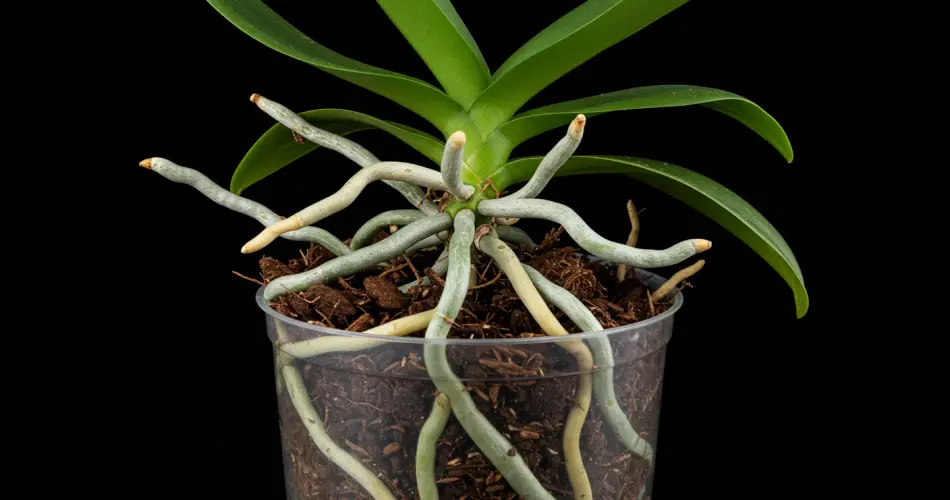
There’s a simple yet powerful secret behind thriving orchids—one that only a few experienced growers truly know. This method helps orchids grow stronger roots and produce breathtaking blooms, even if your plant seems lifeless right now. By learning how to properly care for your orchid’s aerial roots, you can restore its health and beauty, making it the centerpiece of your home once again.
Understanding Aerial Roots
Aerial roots are one of the most fascinating features of orchids. Unlike underground roots that grow in the soil, these roots develop above the surface and are visible outside the pot. They serve a special function: absorbing water and nutrients directly from the air and rain.
In nature, orchids often grow on trees or rocks, where their aerial roots cling to bark and gather moisture from the humid environment. At home, these roots continue to play a vital role, helping the plant breathe and regulate moisture levels. Because of this, it’s essential to understand how to care for them properly—rather than cutting them off for aesthetic reasons.
How to Care for Aerial Roots
The key to healthy aerial roots lies in proper watering, airflow, and humidity. Orchids dislike stagnant water, which can cause root rot. Always use a pot with drainage holes and a well-draining substrate, such as bark or sphagnum moss. This allows excess water to escape and keeps roots from sitting in moisture for too long.
Water your orchid regularly, but avoid overwatering. The goal is to keep the roots slightly moist, not soggy. A good rule of thumb is to water once the potting medium has almost dried out. If you’re unsure, it’s safer to wait a bit longer than to risk drowning the roots.
In addition, provide the orchid with a suitable environment—bright but indirect light, moderate temperatures, and adequate humidity. If your home is very dry, consider placing a small humidifier nearby or misting the roots occasionally. Regularly check the roots to ensure they’re not too dry, too wet, or showing signs of pests or disease.
A Clever Watering Trick Using a Plastic Bottle
If your orchid’s aerial roots look dry or dehydrated, try this clever DIY watering technique. You’ll need nothing more than a clean plastic bottle, scissors or a knife, and a bit of patience.
Here’s how to do it:
-
Take a clean, dry plastic bottle and cut it in half so that you have a top and bottom section.
-
Poke a few small holes in the bottom half of the bottle. This will allow excess water to drain slowly.
-
Fill the bottom half with clean water.
-
Invert the top half of the bottle and place it back into the bottom section, covering the holes.
-
Position the setup near your orchid so that the holes are in contact with the aerial roots.
-
As the water slowly seeps through the holes, the roots will gradually absorb the moisture they need.
-
Refill the bottle as necessary, but avoid letting the roots sit in constant water.
This simple trick keeps the roots hydrated in a controlled way, preventing both dryness and rot. It mimics the natural conditions orchids enjoy in tropical forests, where humidity is high and moisture is released gradually from the air.
What You Should Never Do: Cutting the Aerial Roots
One of the most common mistakes orchid owners make is cutting off the aerial roots. While they might look messy or tangled, these roots are crucial to your plant’s survival. Cutting them can cause severe stress and may even kill the orchid over time.
Aerial roots help your orchid “breathe” and collect nutrients from its surroundings. Removing them interrupts the plant’s natural processes and leaves it vulnerable to infection. Instead of trimming them for appearance’s sake, focus on keeping them healthy and hydrated. Clean them gently with a damp cloth if they look dusty, and ensure they have good airflow around them.
The Right Way to Trim and Revitalize Your Orchid
While you should never cut the aerial roots, pruning other parts of the orchid can help rejuvenate it and encourage new blooms.
If your orchid has finished flowering, take a sharp knife or sterilized garden scissors and cut the flower stem just above the node (the small bump) closest to the base of the plant. Avoid cutting too close to the leaves or the crown, as this can damage the plant.
Remove any dead or yellow leaves, as well as any dry or damaged stems. This allows the orchid to focus its energy on new growth and flowering. If the roots inside the pot appear brown and mushy, gently remove them and repot the plant in fresh orchid bark mix. Healthy roots should be firm and light green or silvery white.
After repotting, place your orchid in a spot with bright but indirect sunlight—ideally near a window covered by a sheer curtain. Avoid placing it in direct sunlight, which can burn the leaves, or in dark corners where it won’t receive enough light to thrive.
Finally, water your orchid moderately and apply a diluted orchid fertilizer once or twice a month during the growing season. A balanced nutrient supply will support both root and flower development, ensuring your plant continues to grow strong and bloom beautifully.
A Lasting Reward: Strong Roots, Lush Blooms
By treating your orchid’s aerial roots with care and avoiding unnecessary pruning, you’ll soon see remarkable results. The roots will become thicker and more vibrant, anchoring your plant firmly and supplying it with everything it needs. Within weeks, you may notice new shoots and buds forming—a clear sign that your orchid is thriving again.
This simple yet effective method proves that the secret to breathtaking orchids isn’t hidden in expensive products or complicated routines. It’s about understanding how nature designed these extraordinary plants to live and thrive. With the right care, your orchid will reward you with strong roots, abundant flowers, and a beauty that lasts year after year.