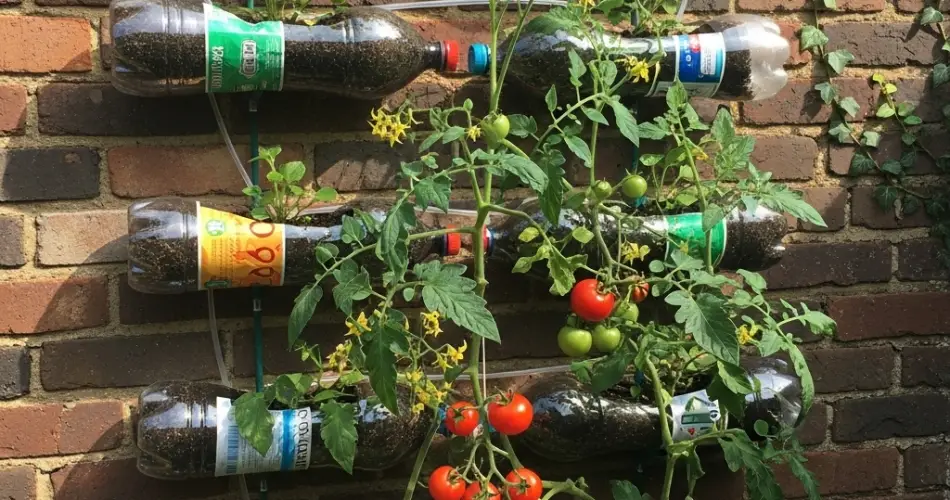
Growing fresh tomatoes doesn’t have to require a large garden or even traditional pots. With the clever use of recycled plastic bottles, you can create a vertical planting system that not only saves space but also produces a healthy harvest. This technique turns ordinary wall space into a thriving green display, perfect for small balconies, courtyards, or even sunny indoor areas. By understanding how to set up your bottle planters and care for your plants, you can enjoy the taste of homegrown tomatoes right from your wall.
Why Choose Bottle Wall Gardening for Tomatoes?
Vertical gardening using bottle pockets is an ideal solution for urban growers with limited space. Instead of spreading plants out horizontally, you stack them upward, making use of vertical surfaces like fences, balcony railings, or sturdy walls. This method:
-
Maximizes space by allowing multiple plants in the same footprint.
-
Recycles materials by giving used bottles a new purpose.
-
Improves airflow and light for each plant.
-
Adds beauty to walls with vibrant green foliage and colorful tomato fruits.
Tomatoes adapt well to this system because they can grow in confined soil spaces if they receive proper watering, nutrients, and support for their stems.
Materials You’ll Need
Before you start, gather the following:
-
Large plastic bottles (1.5 to 2 liters)
-
Sharp utility knife or scissors
-
Wall hooks, wire mesh, or a wooden frame for mounting
-
Potting mix rich in organic matter
-
Tomato seedlings or seeds
-
Small stones or gravel for drainage
-
Twine or plant ties for stem support
Preparing the Bottle Planters
-
Clean and cut the bottles – Remove labels and rinse thoroughly. Cut a large opening along one side for planting, keeping the bottle cap intact.
-
Create drainage holes – Use a heated nail or knife tip to make several small holes at the bottom.
-
Add drainage layer – Place a thin layer of small stones or gravel inside to prevent waterlogging.
-
Fill with potting mix – Use a mix that retains moisture but drains well. A blend of compost, coco coir, and perlite works well for tomatoes.
Setting Up the Vertical Wall
Decide on the layout—bottles can be attached individually to a wall or arranged in rows within a frame. If you’re using wire mesh, slide the bottle necks through the mesh and secure them with cable ties. For wooden frames, screw bottle caps into the wood and twist the bottles into place.
Ensure your structure is stable, as the weight will increase when bottles are filled with soil and plants. Position the setup in a location with at least 6–8 hours of sunlight daily, as tomatoes need abundant light for flowering and fruiting.
Planting Tomatoes in Bottles
If starting from seeds:
-
Plant 2–3 seeds in each bottle, 1 cm deep, and thin to the strongest seedling after germination.
If using seedlings:
-
Carefully transplant into the bottles without damaging roots. Bury the stem slightly deeper than it was in its previous container to encourage strong root development.
After planting, water gently but thoroughly to settle the soil around the roots.
Caring for Wall-Grown Tomatoes
-
Watering – Bottle planters dry out faster than ground soil. Check daily, especially in warm weather, and water until it runs from the drainage holes.
-
Feeding – Start fertilizing with a tomato-specific liquid feed once the first flowers appear. Repeat every 10–14 days.
-
Support – Tie stems loosely to a vertical support (string or bamboo stake) to keep them upright and prevent breakage.
-
Pruning – Remove side shoots (suckers) that grow in the leaf axils to encourage larger fruits.
-
Pollination – Outdoors, wind and insects will help pollinate flowers. Indoors, gently tap or shake flowering stems to release pollen.
Harvesting Your Vertical Tomatoes
Depending on the variety, tomatoes will be ready to pick in about 60–90 days from planting. Harvest when the fruits are fully colored and slightly soft to the touch. Regular picking encourages the plant to produce more fruit.
Tips for Success
-
Choose compact or determinate tomato varieties for smaller bottle spaces.
-
Mulch the soil surface inside bottles with straw or dry leaves to reduce evaporation.
-
Rotate plant positions if sunlight is uneven across the wall.
-
Check for pests like aphids or whiteflies regularly and treat promptly.
Conclusion
Bottle wall gardening turns unused vertical space into a productive tomato patch that’s both functional and visually appealing. With simple recycled materials and proper care, you can enjoy fresh, sun-ripened tomatoes even in the smallest urban spaces. This method not only provides a sustainable way to garden but also adds greenery and charm to your living environment—one plastic bottle at a time.


