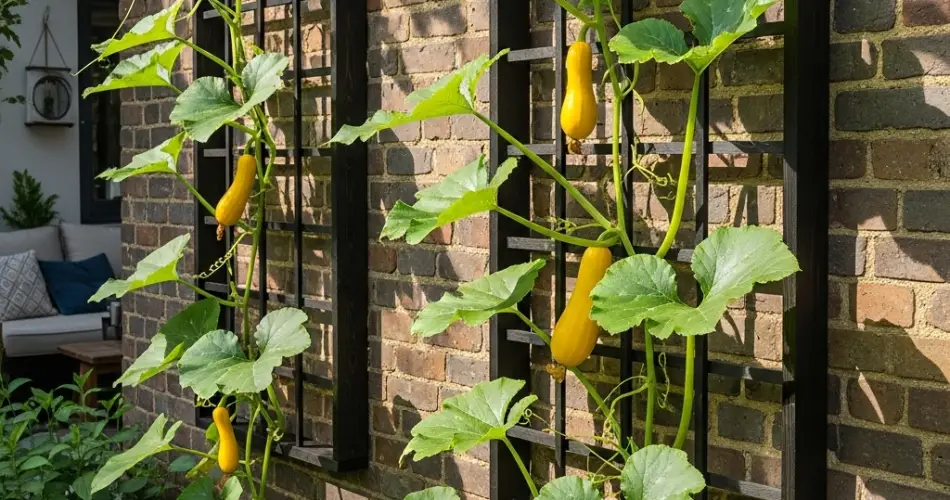

Squash is a popular vegetable in home gardens, celebrated for its versatility, rapid growth, and high yields. However, traditional squash varieties often sprawl along the ground, taking up considerable space and increasing the risk of disease and pest damage. For gardeners with limited space or those who want a tidier, more productive garden, vertical squash gardening using wall trellis panels is an excellent solution. This method promotes healthier plants, simplifies harvesting, and transforms walls into productive green features.
Why Use Wall Trellis Panels for Squash?
Squash plants are naturally vining and can benefit greatly from vertical support. When left on the ground, sprawling vines can crowd neighboring plants, reduce airflow, and make harvesting challenging. Soil contact also exposes fruits to rot, insect damage, and fungal infections. Wall trellis panels allow squash vines to climb, keeping leaves and fruits off the ground, improving air circulation, and enhancing sun exposure. Vertical growth maximizes limited space, making it ideal for small gardens, patios, or urban balconies. Additionally, wall trellises provide a visually appealing structure, turning otherwise unused vertical surfaces into productive growing areas.
Choosing the Right Trellis Panels
When selecting trellis panels for squash, durability and strength are critical. Squash vines can become heavy as they mature, especially when producing large fruits. Materials such as treated wood, metal, or composite panels are ideal because they can support the weight without bending or collapsing. The panel design should include a grid or lattice with openings large enough to allow vines to weave through but small enough to provide firm support. For most squash varieties, trellises should be at least 5 to 6 feet tall to accommodate upward growth and keep fruits suspended.
Installing Wall Trellis Panels
Proper installation is essential for vertical squash gardening. Choose a wall that receives full sunlight, ideally 6 to 8 hours daily, to ensure healthy growth. Mount the trellis panels securely to the wall using screws, brackets, or anchors, ensuring they can bear the weight of mature plants. In raised beds or container gardens, panels can also be anchored into the soil or attached to planter edges for added stability. Correct installation prevents tipping, bending, or collapsing, even under the weight of heavy fruits.
Planting Squash for Vertical Growth
Squash thrives in fertile, well-draining soil enriched with organic matter. Large containers or raised beds filled with a mix of garden soil and compost provide the nutrients needed for vigorous growth. Plant seeds or seedlings near the base of the wall trellis, spacing them according to the variety’s growth habit. As vines emerge, gently guide them toward the trellis and secure them using soft ties or garden twine. Early training ensures the plants grow vertically and use the support efficiently, preventing sprawling along the ground.
Watering and Fertilization
Consistent watering is crucial for squash, particularly during flowering and fruit development. Keep the soil evenly moist, but avoid waterlogging, which can lead to root rot. Mulching helps retain moisture, suppress weeds, and maintain soil temperature. Fertilize regularly with a balanced liquid fertilizer or organic alternatives such as compost tea or fish emulsion to support steady growth and fruit production. Vertical growth allows for better distribution of sunlight and airflow, which enhances nutrient uptake and overall plant health.
Pruning and Maintenance
Pruning squash improves airflow and encourages stronger growth. Remove yellowing or damaged leaves and trim excess lateral shoots that crowd the trellis. Regularly check vines for proper attachment to the trellis and adjust ties as needed. This maintenance helps prevent vine breakage and supports even fruit development. Additionally, vertical growth reduces soil contact, lowering the risk of fungal diseases such as powdery mildew.
Pest and Disease Management
Although wall trellis panels reduce the likelihood of many soil-borne diseases, squash plants can still attract pests like aphids, squash bugs, and cucumber beetles. Regular inspection and organic treatments, such as neem oil or insecticidal soap, can help control infestations. Adequate spacing and vertical growth enhance air circulation, further minimizing disease risk and keeping plants healthy and productive.
Harvesting Squash from a Trellis
Harvesting squash from a vertical trellis is easier and more efficient. Fruits are visible, accessible, and less prone to bruising or rot. Pick squash regularly at the desired size to encourage continuous production throughout the growing season. Vertical support ensures even the heaviest fruits are held securely, preventing damage to the plant or fruit during harvest.
Aesthetic and Functional Benefits
Wall trellis panels provide both practical and aesthetic benefits. They create a structured, lush green wall covered with vibrant squash leaves and fruits, adding vertical interest to the garden. The combination of beauty and productivity makes trellis-supported squash ideal for urban gardening, patios, and small spaces. Durable panels can be reused for multiple seasons, making them a sustainable and long-term investment for home gardeners.
Conclusion
Vertical squash gardening with wall trellis panels is a smart, space-saving solution for growing healthy, productive plants. By selecting strong, durable panels, installing them securely, training vines carefully, and maintaining proper care, gardeners can enjoy abundant, high-quality squash while keeping fruits off the ground. Vertical growth improves airflow, sunlight exposure, and pest management, making harvesting easier and more efficient. Wall trellis panels transform walls into productive, visually appealing features, allowing gardeners to cultivate squash effectively in limited spaces while enhancing the beauty and organization of their garden.


