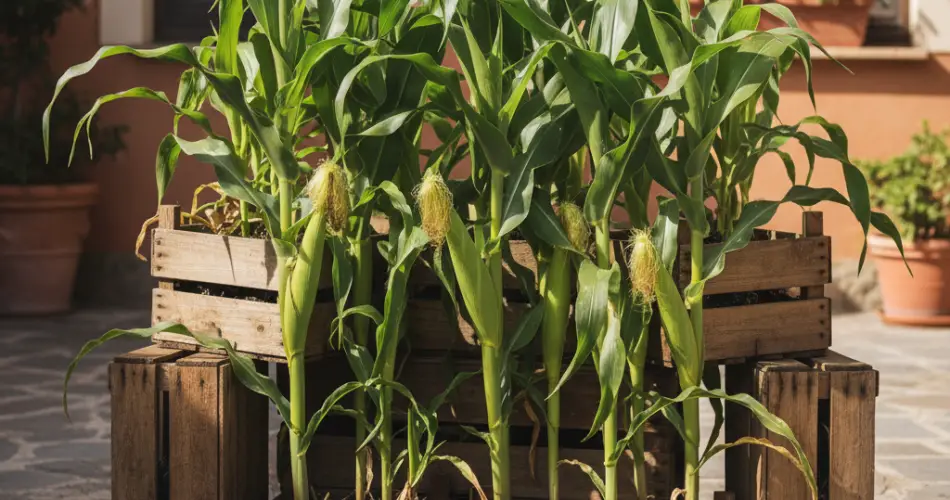
Corn is usually associated with wide open fields and rural farms, but modern gardening techniques are making it possible to grow this tall crop in much smaller spaces. One innovative approach is vertical corn gardening using crate systems. By combining the natural upward growth of corn with the practicality of crates, urban gardeners, balcony growers, and those with limited yard space can enjoy fresh, homegrown corn without needing a large plot of land.
This method not only saves space but also allows for greater control over soil quality, moisture, and plant arrangement. With the right preparation, vertical crate gardening can transform corn into a successful container crop that fits perfectly into compact living environments.
Why Choose Crate Systems for Corn?
Crates are lightweight, affordable, and versatile containers that can be adapted for vertical gardening. Unlike traditional garden beds, crates can be moved, stacked, or arranged to maximize space. They also allow you to create soil mixes specifically tailored for corn, ensuring strong root growth and healthy stalk development.
Corn grows naturally tall, making it an excellent candidate for vertical gardening. When supported properly, crates help stabilize stalks and prevent them from toppling over in windy conditions. This setup also makes it easier to manage watering, fertilizing, and pest control compared to in-ground planting.
Setting Up the Crate System
Choosing the Right Crates
The first step is selecting sturdy wooden or plastic crates that are at least 18–20 inches deep. Corn develops extensive roots, so depth is essential for anchoring tall stalks. Make sure the crates have drainage holes to prevent waterlogging.
Arranging the Crates
There are several ways to arrange crates for vertical gardening:
-
Single-Layer System: Place crates side by side in a row, perfect for small patios or balconies.
-
Stacked System: Stack crates in a staggered arrangement, with each layer offset slightly so that plants still receive adequate sunlight.
-
Tiered System: Use shelving or a step-like arrangement to create height and maximize planting space vertically.
Preparing the Soil Mix
Corn is a heavy feeder, so a nutrient-rich soil mix is essential. A good blend includes loamy soil, compost, peat or coco coir for moisture retention, and perlite for aeration. Adding aged manure or an organic fertilizer ensures enough nitrogen for vigorous growth.
Planting Corn in Crates
Corn is best planted directly from seed rather than transplants. Sow seeds about 1–2 inches deep and 6–8 inches apart. Because corn relies on wind pollination, it’s better to plant in clusters rather than a single row. A block-style planting within each crate ensures better pollination and fuller ears of corn.
When using stacked or tiered crate systems, ensure that each level receives sufficient sunlight. Corn requires at least six hours of direct sun per day. Position taller crates toward the back or higher levels so they don’t shade smaller plants.
Supporting Vertical Growth
Since corn grows tall, supporting stalks is crucial in crate systems. Bamboo stakes, trellises, or even strings tied to an overhead frame can provide stability. As the plants grow, loosely tie them to supports to keep them upright. This prevents stalks from bending under the weight of developing ears or falling over in strong winds.
Mulching around the base of the plants with straw or shredded leaves helps retain moisture, suppress weeds, and keep the roots cool.
Watering and Fertilizing
Crate-grown corn requires consistent watering, as containers dry out faster than garden beds. Keep the soil evenly moist, especially during tasseling and ear development. Uneven watering can result in poorly filled cobs.
Fertilizing is equally important. Start with a balanced fertilizer at planting, then switch to a nitrogen-rich feed once the plants are about 6 inches tall. Continue feeding every 2–3 weeks to support steady growth. Liquid organic fertilizers like fish emulsion or seaweed extract can also be applied regularly.
Managing Pollination in Vertical Systems
Because corn depends on wind pollination, crate systems may sometimes lead to reduced pollination if plants are too spread out. To improve results, plant at least three to four stalks per crate and group multiple crates together. You can also hand-pollinate by gently shaking the stalks when tassels release pollen, allowing it to fall onto the silks of developing ears.
Common Challenges
-
Space Constraints: Corn takes up more space than most container crops, but crate systems help optimize vertical growing areas.
-
Nutrient Depletion: Soil in crates can quickly lose fertility. Regular compost additions or side-dressing with fertilizer solve this issue.
-
Stability Issues: Tall stalks may lean or fall if not supported. Installing sturdy stakes or a trellis is essential.
Harvesting Corn from Crate Systems
Corn is ready to harvest about 60–100 days after planting, depending on the variety. Ears are ripe when the silks turn brown and dry, and kernels are plump and milky when pierced. Harvest by twisting the ear downward until it breaks off from the stalk.
Final Thoughts
Vertical corn gardening with crate systems is a creative and practical solution for growing a crop traditionally reserved for large fields. With proper soil preparation, strategic crate arrangement, and attentive care, gardeners can enjoy fresh, sweet corn even in small spaces. This method not only makes use of vertical space but also offers better control over growing conditions, making it possible for anyone—from urban apartment dwellers to backyard gardeners—to add corn to their harvest list.


