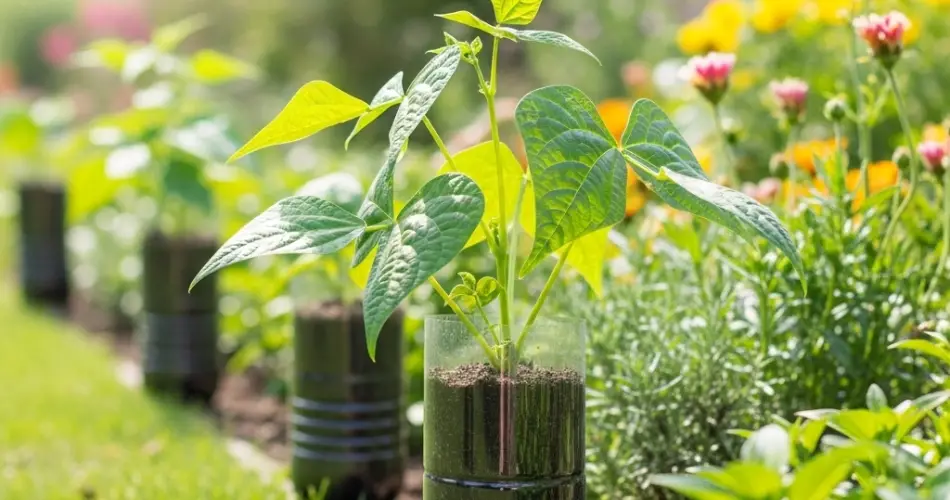
Urban gardening is gaining popularity as more people seek to grow their own food in compact spaces. One of the easiest and most rewarding crops to grow in the city is green beans. With a few recycled containers and basic gardening know-how, you can harvest fresh, crunchy green beans right from your balcony, rooftop, or patio.
Green beans are well-suited for container gardening because they are fast-growing, low-maintenance, and highly productive. Whether you choose bush varieties or climbing pole beans, they thrive in small spaces when provided with the right conditions.
Why Choose Recycled Containers for Gardening?
Recycled containers like plastic buckets, old storage bins, or large bottles offer a sustainable and budget-friendly solution for urban gardening. They reduce plastic waste, cost nothing if repurposed, and are easy to customize with drainage holes and support systems.
These containers are lightweight and portable, making them ideal for balconies or rooftops where flexibility is key. Using recycled materials also supports eco-conscious gardening habits and reduces dependency on store-bought planters.
Choosing the Right Green Bean Variety
There are two main types of green beans to consider:
-
Bush Beans: Compact, grow about 1–2 feet tall, and do not require support. Perfect for smaller containers.
-
Pole Beans: Vining plants that climb up to 6 feet or more. These need trellises or stakes for support but produce continuously over a longer period.
For tight spaces and vertical gardening, pole beans are a great choice because they maximize upward growth. Bush beans are ideal if you prefer a quick harvest and minimal structural setup.
Materials You’ll Need
-
Recycled containers (5–10 liters minimum per plant)
-
Potting mix or DIY soil blend
-
Green bean seeds (bush or pole variety)
-
Drill or heated nail (for drainage holes)
-
Trellis, bamboo stakes, or string (for pole beans)
-
Watering can or hose with a gentle spray setting
-
Compost or organic fertilizer
Preparing Your Containers
-
Clean Thoroughly: Wash your recycled containers to remove any residue or harmful substances.
-
Add Drainage Holes: Use a drill or heated nail to create several small holes in the bottom of each container to allow water to drain properly.
-
Optional: For pole beans, secure a trellis, stake, or frame inside the container before planting. This provides support from the start.
-
Soil Mix: Use a rich, well-draining mix such as:
-
2 parts compost
-
1 part peat moss or coconut coir
-
1 part perlite or coarse sand
-
Fill each container about 2 inches below the rim.
Planting the Beans
-
Timing: Green beans prefer warm temperatures. Plant when the risk of frost has passed and daytime temperatures consistently reach 18°C (65°F) or above.
-
Seed Spacing:
-
For bush beans: Plant 2–3 seeds per container, spacing them about 4 inches apart.
-
For pole beans: Plant seeds around the base of your trellis or stakes.
-
-
Planting Depth: Sow seeds about 1 inch deep and cover lightly with soil.
-
Watering: Water immediately after planting to moisten the soil.
Growing Conditions and Care
-
Sunlight: Green beans need at least 6–8 hours of direct sunlight daily. Choose a bright spot on a balcony, patio, or rooftop.
-
Watering: Keep soil consistently moist, especially during flowering and pod formation. Avoid overwatering, which can lead to root rot.
-
Fertilizing: Green beans fix their own nitrogen but benefit from phosphorus- and potassium-rich compost or organic fertilizer once they begin to flower.
-
Support for Pole Beans: As vines grow, gently guide them up the support structure. You can tie them loosely with garden twine if needed.
-
Air Circulation: Ensure there’s adequate space between containers to promote airflow and reduce the risk of fungal disease.
Pest and Disease Management
Common pests include aphids, bean beetles, and spider mites. Monitor your plants regularly and:
-
Spray with neem oil or a garlic-pepper solution if pests appear
-
Remove affected leaves to prevent spread
-
Use mulch to deter weeds and retain moisture
Avoid overhead watering to prevent fungal issues like powdery mildew or root rot.
Harvesting Your Green Beans
Bush beans are ready to harvest in 50–60 days, while pole beans start producing in 60–70 days and continue for several weeks. Pick the beans when they are firm, bright green, and about the thickness of a pencil.
To harvest, pinch or cut the pods from the plant gently to avoid damaging the stems. Harvesting regularly encourages continued production.
Final Thoughts
Urban green bean gardening using recycled containers is a rewarding way to grow fresh food with limited space and resources. This approach blends sustainability, practicality, and productivity into one simple method. Whether you’re growing on a balcony or rooftop, with just a few containers and some sunshine, you can enjoy homegrown green beans throughout the season.
This method not only gives you control over your food source but also turns urban corners into thriving mini-gardens—one container at a time.


