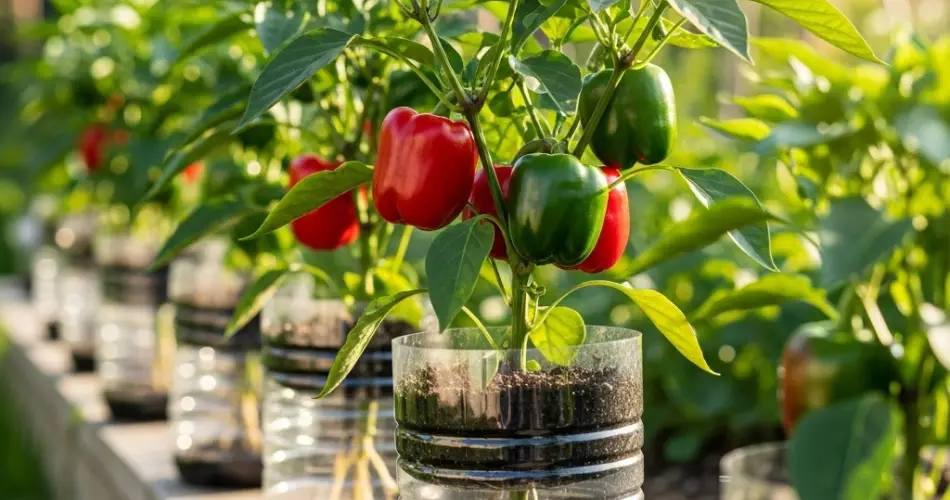
Peppers are among the most rewarding plants to grow at home. Their versatility in cooking, vibrant colors, and variety of flavors—from sweet bell peppers to fiery chili varieties—make them a favorite for gardeners everywhere. But for those living in cities with limited space, starting peppers from seed can seem challenging. The solution? Bottle propagation. By turning recycled plastic bottles into mini greenhouses, you can germinate and raise strong pepper seedlings right on your balcony, windowsill, or even in a small indoor corner.
Why Choose Bottle Propagation?
Bottle propagation is an eco-friendly and practical method for seed starting, especially for urban gardeners with minimal space. Using bottles offers several benefits:
-
Warmth and Humidity Control – Peppers thrive in warm, moist environments. Bottles act like mini greenhouses, trapping heat and humidity.
-
Resourceful and Sustainable – Reusing plastic bottles reduces waste while giving them a new purpose.
-
Protection for Seedlings – The enclosed structure shields delicate sprouts from pests, sudden temperature shifts, and drying winds.
-
Small-Space Friendly – Bottles can be placed on balconies, windowsills, or tabletops, making them ideal for apartment living.
This hack not only helps you grow healthy seedlings but also encourages sustainable gardening practices.
Selecting the Right Bottles
To begin, choose clear plastic bottles, ideally 1.5–2 liter soda bottles. Larger bottles give seedlings more vertical room to grow, but smaller ones can work if space is tight. Clear plastic is best because it allows maximum light penetration while maintaining a humid interior.
Before using them, rinse the bottles thoroughly and remove any labels. This ensures that light isn’t blocked and your seedlings get the best possible start.
Preparing Your Mini Greenhouses
Here’s how to transform bottles into functional propagation chambers:
-
Cut the bottle – Slice it about two-thirds of the way up, separating it into a bottom section for soil and a top section to serve as the dome.
-
Add drainage holes – Use a heated nail, knife, or small drill to poke holes in the base. Good drainage prevents root rot.
-
Fill with soil – Use a light, well-draining seed-starting mix. A blend enriched with compost or organic fertilizer works well, but avoid heavy garden soil.
-
Moisten the soil – Lightly water before sowing seeds to ensure even moisture.
Now your bottle greenhouse is ready for seeds.
Planting Pepper Seeds
Pepper seeds need warmth to sprout successfully. Sow them about 0.5 cm deep in the soil, covering them lightly. Place 2–3 seeds per bottle to ensure at least one strong seedling emerges. Once they germinate, thin them out to leave the healthiest one.
After sowing, place the top half of the bottle back onto the base, creating a snug greenhouse environment. If the fit is tight, tape one side as a hinge so you can open it easily for watering and ventilation.
Creating the Right Environment
Pepper seeds germinate best when the soil temperature is between 24–28°C (75–82°F). Place the bottles in a bright, warm spot such as a sunny windowsill or balcony corner. Avoid placing them in direct midday sun, which may overheat the enclosed space.
If your indoor space is cooler, you can place the bottles near a gentle heat source or on a seedling heat mat.
Watering and Ventilating Seedlings
The enclosed environment of a bottle retains moisture well, so you won’t need to water often. Check daily and mist the soil if it looks dry. To prevent fungal growth, open the bottles occasionally for ventilation, especially once the seedlings emerge.
As plants grow, gradually leave the caps off the bottles or prop the tops open during the day to acclimate the seedlings to fresh air.
Transplanting Your Pepper Starts
After 4–6 weeks, your pepper seedlings should have several true leaves and a height of around 10–15 cm. At this stage, they’re ready for transplanting into larger pots or directly into garden beds if the weather is consistently warm.
Before moving them outside permanently, harden off the seedlings by gradually introducing them to outdoor conditions. Start with a couple of hours in partial shade and slowly increase their exposure to sunlight and outdoor temperatures over a week.
Expanding the Hack
While this method works beautifully for peppers, it can be applied to other crops too. Tomatoes, eggplants, and cucumbers also thrive in bottle greenhouses. This flexibility makes bottle propagation a universal urban gardening trick that maximizes both space and resources.
Final Thoughts
Urban gardening often comes with challenges—limited space, lack of equipment, and unpredictable weather. But with a few recycled plastic bottles, you can overcome these hurdles and grow strong pepper plants from seed. Bottle propagation is cost-effective, eco-friendly, and perfectly suited for city living.
By the time the warm season arrives, you’ll have vigorous pepper seedlings ready to flourish in pots, crates, or raised beds. Whether you prefer sweet bell peppers for salads or fiery chilies for spicy dishes, this simple hack ensures a steady supply of homegrown peppers—proof that even the smallest urban spaces can produce big harvests.


