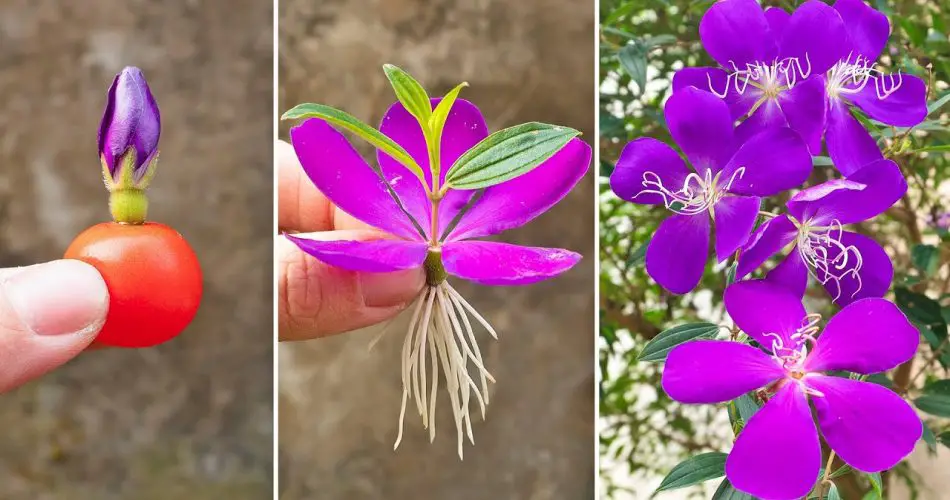
The allure of purple flowers is undeniable, and the good news is that propagating these beauties is not only a joy but also a straightforward process that anyone can master. In this guide, we’ll explore the enchanting world of purple flowers and share easy propagation techniques that make cultivating these blooms a delightful endeavor for everyone.
Why Purple Flowers?
- Timeless Elegance:
- Purple flowers, with their rich and varied shades, exude timeless elegance. Whether deep violet, lavender, or lilac, the color adds a touch of sophistication to any garden.
- Versatility in Gardens:
- Purple flowers complement a variety of garden styles, from formal landscapes to wild, natural settings. Their versatility makes them a popular choice for both experienced gardeners and beginners.
- Ease of Propagation:
- One of the most appealing aspects of purple flowers is their ease of propagation. With the right techniques, anyone can successfully grow and enjoy these captivating blooms.
Easy Propagation Steps:
- Selecting Healthy Plants:
- Begin by choosing a healthy and well-established purple-flowered plant as your source. This could be a perennial, shrub, or flowering plant of your preference.
- Identifying Propagation Method:
- Purple flowers can be propagated through various methods such as cuttings, division, or seeds. Choose the method that suits your preference and the type of plant you have.
- Propagating through Cuttings:
- If opting for cuttings, snip a healthy section of the plant, ensuring it has a node (where leaves attach to the stem). Remove any excess leaves and dip the cut end in rooting hormone.
- Preparing Soil:
- Choose a well-draining potting mix for your purple flower cuttings. Ensure the soil is moist but not waterlogged.
- Planting the Cuttings:
- Plant the cuttings in the prepared soil, burying them at the appropriate depth. Water the soil lightly, and place the pot in a location with indirect sunlight.
- Division Method:
- If your purple flowers are clump-forming perennials, consider dividing the plant. Dig up the mature plant, separate the root clumps, and replant each section.
- Seed Propagation:
- For plants that produce seeds, collect mature seeds and sow them in well-prepared soil. Follow the specific guidelines for each plant species regarding seed depth and germination conditions.
- Consistent Care:
- Regardless of the propagation method chosen, provide consistent care with proper watering, sunlight, and fertilization. Purple flowers, like many plants, thrive when given the right conditions.
Benefits of Propagating Purple Flowers:
- Cost-Effective Gardening:
- Propagating purple flowers from existing plants can save you money compared to purchasing new ones, making gardening more budget-friendly.
- Personalized Garden Design:
- Propagation allows you to expand your garden with familiar and beloved purple blooms, creating a personalized and cohesive design.
- Sharing the Beauty:
- Once successfully propagated, you can share the beauty of purple flowers with friends and family, spreading the joy of gardening.
Conclusion: The enchantment of purple flowers becomes even more special when you embark on the journey of easy propagation. With a bit of care and attention, anyone can cultivate these gorgeous blooms and enjoy the timeless elegance they bring to gardens. Whether you’re a seasoned gardener or a novice, the world of purple flowers is open to all who appreciate the beauty of nature. Happy propagating!