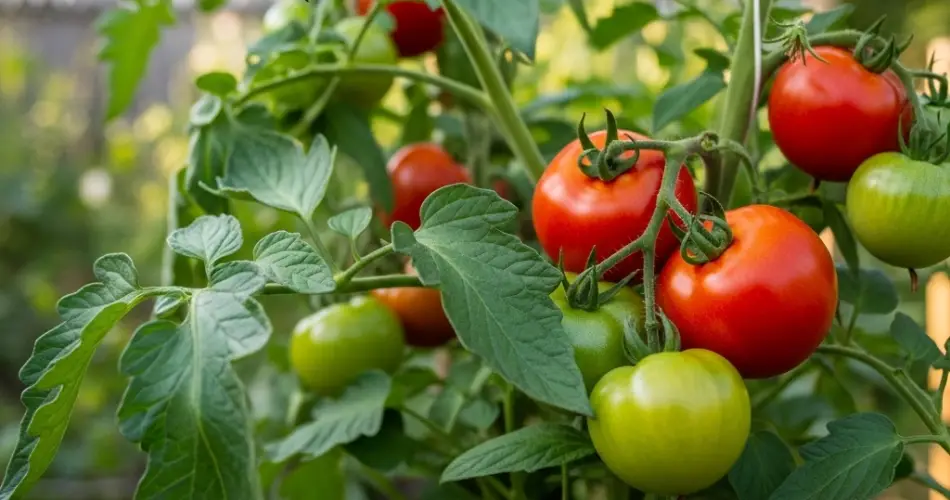
Tomato growers everywhere dream of a bountiful harvest, but few realize that the secret to multiplying fruit yield lies not just in planting or watering, but in the right feeding at the right time. Imagine your tomato plants setting ten times more fruit than usual — healthy, vibrant, and disease-resistant. This is possible with a simple, super feeding technique that has proven to dramatically enhance tomato fruit set.
In this article, you will discover the reasons why tomatoes sometimes fail to set enough fruit, the nutrients critical for abundant yields, and a natural, easy-to-apply feeding method that can transform your tomato crop into a prolific producer.
Why Tomatoes Don’t Always Set Fruit Well
Tomatoes can fail to produce abundant fruit for several reasons:
-
Nutrient imbalances: Tomatoes require a careful balance of nutrients, especially phosphorus, potassium, and calcium. A lack of these elements limits flower development and fruit set.
-
Heat stress: High temperatures can cause flowers to drop before fruit forms.
-
Poor pollination: Inadequate pollination reduces the number of fruits that develop.
-
Soil fatigue: Growing tomatoes repeatedly in the same soil without replenishing nutrients can exhaust the bed and reduce yield.
Understanding these factors helps target the problem. The solution? A targeted feeding that supplies exactly what tomatoes need to thrive at fruit-setting time.
The Power of Targeted Tomato Feeding
When tomato plants receive balanced nutrition, their energy shifts from just survival to abundant fruit production. The key nutrients are:
-
Phosphorus (P): Crucial for root growth and flower development. Without enough phosphorus, plants produce fewer flowers and fruits.
-
Potassium (K): Supports fruit formation, size, flavor, and disease resistance.
-
Calcium (Ca): Prevents blossom-end rot and strengthens cell walls.
-
Magnesium (Mg): Vital for photosynthesis, helping leaves produce energy for fruit growth.
By supplementing the soil with these nutrients at the right growth stage, your tomatoes will set more flowers and develop larger, healthier fruits.
How to Apply This Super Feeding
Here is a natural, easy-to-make feeding mix that can boost your tomato fruit set up to 10 times, especially when applied at the flowering stage:
Ingredients (for one plant):
-
1 teaspoon bone meal or crushed eggshells (phosphorus and calcium source)
-
1 teaspoon wood ash or banana peel powder (rich in potassium)
-
½ teaspoon Epsom salt (magnesium source)
-
1 tablespoon well-rotted compost or worm castings (trace minerals and beneficial microbes)
Application:
-
Mix the ingredients well.
-
Apply the mixture gently around the base of the tomato plant, avoiding direct contact with the stem.
-
Lightly work it into the soil’s top layer.
-
Water the plant thoroughly to help nutrients absorb into the root zone.
Timing Is Key
For best results, apply this feeding just as the first flowers appear on your tomato plants. This timing gives the plant a nutritional boost exactly when it shifts energy into flowering and fruit setting.
You may repeat this feeding once more after two to three weeks, especially if you’re growing indeterminate varieties that produce fruit continuously.
The Benefits You Can Expect
Gardeners who use this feeding method report:
-
A dramatic increase in flower clusters per plant
-
More flowers successfully setting into fruits, with fewer drops
-
Larger, tastier, and healthier tomatoes
-
Stronger plants resistant to common diseases like blossom-end rot and fungal infections
-
Overall more vigorous growth and a longer productive season
Even plants that appeared weak or slow to fruit often respond positively, showing rapid improvement and abundant yields.
Why This Feeding Works So Well
Unlike synthetic fertilizers that may contain imbalanced ratios or chemicals harmful to soil life, this natural blend nourishes both the plant and the soil. The compost or worm castings introduce beneficial microbes that improve nutrient uptake and soil health, while bone meal, wood ash, and Epsom salt provide essential minerals in a form tomatoes can readily absorb.
This creates a balanced ecosystem in the root zone, enhancing growth and fruiting potential sustainably.
Additional Tips for Maximizing Tomato Yield
-
Ensure adequate pollination: Gently shaking plants or using a small brush to transfer pollen can increase fruit set, especially indoors or in greenhouses.
-
Maintain consistent watering: Tomatoes dislike fluctuating soil moisture. Keep the soil evenly moist to avoid stress and blossom-end rot.
-
Mulch around plants: Mulching helps conserve moisture, regulate soil temperature, and reduce weeds.
-
Provide support: Staking or caging plants keeps fruit off the ground and reduces disease risk.
-
Monitor for pests and diseases: Early intervention keeps plants healthy and productive.
Final Thoughts
If you want to see your tomato plants flourish with 10 times more fruit, don’t overlook the power of this simple but effective feeding. Applying the right nutrients at the right time transforms your plants’ ability to flower and fruit heavily.
Try this super feeding method during your next growing season and enjoy the sweet, juicy rewards of a bumper tomato harvest!


