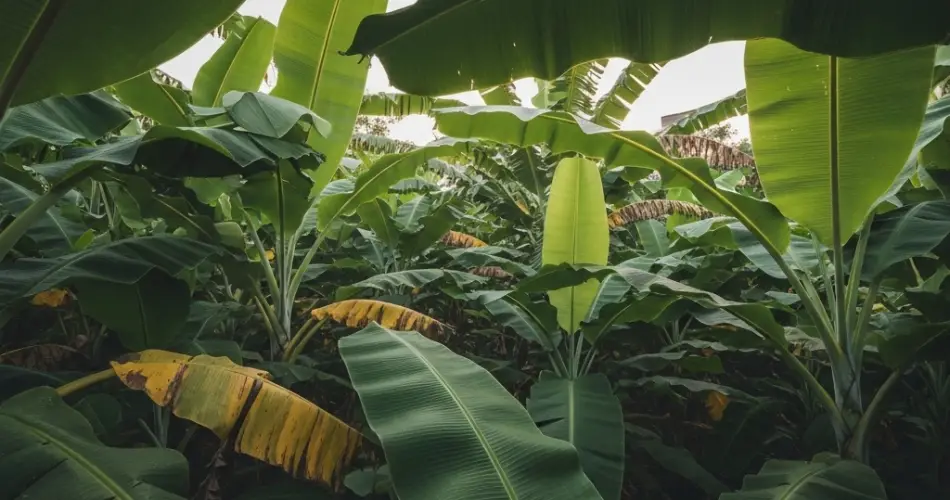
Banana trees are known for their lush, tropical appearance, with wide green leaves that create an exotic feel in any garden or backyard. However, if you begin to notice yellowing leaves, it may be a sign that your banana tree is experiencing stress or underlying problems. While some yellowing is natural as older leaves age and die off, persistent or widespread yellowing is often a red flag.
To keep your banana tree healthy and productive, it’s important to identify the root cause of yellow leaves and take appropriate action. Below is a detailed guide to the most common causes and effective solutions.
1. Natural Aging of Leaves
Before jumping to conclusions, consider that yellowing can be part of the plant’s natural life cycle. Older leaves at the bottom of the tree will eventually turn yellow and die off as new leaves emerge from the top.
What to do:
-
If the yellowing is limited to the lower, older leaves and the new leaves are healthy and green, there’s no need to worry.
-
You can prune off dying leaves to keep the plant tidy and prevent pests from nesting.
2. Water Stress (Overwatering or Underwatering)
Banana trees require consistent moisture, but too much or too little water can lead to yellow leaves.
Signs of overwatering:
-
Yellowing along with mushy stems
-
Soil that feels soggy or smells sour
-
Drooping or collapsing leaves
Signs of underwatering:
-
Dry, curling, or brittle leaves
-
Soil that pulls away from the edges of the container or planting hole
Solution:
-
Check the soil 1–2 inches below the surface. If it’s wet, hold off watering; if it’s dry, it’s time to water.
-
Water deeply and allow the top layer of soil to dry slightly between watering.
-
Improve drainage if water is pooling around the base.
3. Nutrient Deficiency
Banana trees are heavy feeders and require a steady supply of nutrients, especially nitrogen, potassium, and magnesium. A lack of these nutrients can cause the leaves to yellow.
Common deficiencies:
-
Nitrogen: General yellowing of older leaves
-
Potassium: Yellow or brown leaf edges
-
Magnesium: Yellowing between the veins of older leaves
Solution:
-
Feed your banana tree with a balanced, organic fertilizer, ideally one formulated for tropical or fruiting plants.
-
Apply compost or aged manure around the base of the plant.
-
Use a slow-release fertilizer or foliar spray for a quicker boost.
4. Cold or Temperature Stress
Banana trees are tropical plants that dislike cold temperatures. Exposure to cool nights or unexpected cold snaps can cause leaf yellowing and other stress symptoms.
Signs:
-
Sudden yellowing after a temperature drop
-
Wilting or darkening of the leaf edges
-
Stunted new growth
Solution:
-
Protect banana trees from cold winds and frost using covers or windbreaks.
-
Move container-grown banana plants indoors during cold seasons or place them in a greenhouse.
-
Avoid watering too heavily when temperatures are low, as this can worsen root damage.
5. Pests and Diseases
Pests like aphids, spider mites, or banana weevils can weaken the plant, leading to yellowing. Fungal and bacterial diseases can also cause leaf discoloration.
Signs:
-
Yellow leaves with visible spots, holes, or sticky residue
-
Webbing (spider mites), distorted leaves (aphids), or burrowing at the base (weevils)
Solution:
-
Regularly inspect the undersides of leaves and stems.
-
Use natural insecticides like neem oil or insecticidal soap.
-
Remove and discard heavily infested or diseased leaves.
-
Maintain good air circulation around the plant.
6. Poor Soil or pH Imbalance
Banana trees prefer well-drained, fertile soil with a slightly acidic to neutral pH (5.5–7.0). If the soil is too alkaline or lacks organic matter, the plant will struggle to absorb nutrients.
Solution:
-
Conduct a soil test to check nutrient levels and pH.
-
Amend soil with compost, peat moss, or other organic matter to improve texture and fertility.
-
Adjust pH as needed with sulfur (to lower) or lime (to raise), depending on the test results.
7. Root Damage or Crowded Roots
Damage to the root system—due to transplant shock, compacted soil, or root rot—can affect the plant’s ability to take up water and nutrients, resulting in yellow leaves.
Solution:
-
If in a pot, repot your banana tree in a larger container with fresh, well-draining soil.
-
Avoid planting banana trees too deeply or in heavy, compacted soil.
-
Water carefully after transplanting to reduce shock.
Tips to Prevent Yellow Leaves
-
Water regularly but avoid waterlogging the soil.
-
Fertilize throughout the growing season using balanced nutrients.
-
Protect plants from sudden temperature changes and wind.
-
Remove dead or yellow leaves to improve air circulation and prevent disease spread.
-
Use mulch around the base to retain moisture and regulate soil temperature.
Final Thoughts
Yellow leaves on a banana tree are usually a sign that something is off—but with a little observation and care, you can quickly get your plant back on track. Whether it’s a simple watering adjustment, a nutrient boost, or pest control, solving the issue early will help your banana tree grow lush, tall, and productive. By understanding what your plant is telling you, you’ll be rewarded with a vibrant tropical focal point and, eventually, delicious fruit.


