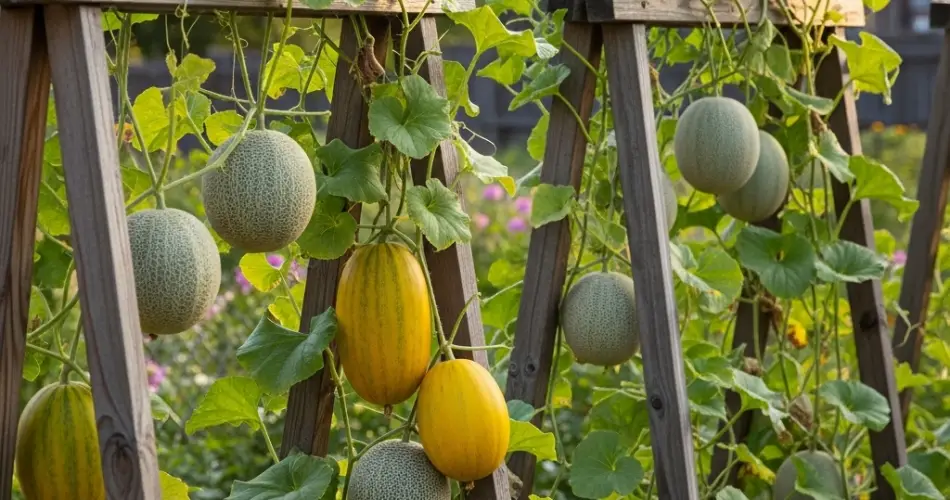
Melons are a summertime favorite, known for their juicy sweetness and refreshing flavor. However, anyone who has tried to grow them knows that melon vines can quickly spread across the garden, taking up valuable space. A practical and attractive solution to this challenge is training melons on wooden trellises. This method not only saves space but also encourages healthier growth, easier harvesting, and cleaner fruits. With the right trellis design and proper training techniques, melons can thrive vertically while producing abundant harvests.
Why Grow Melons Vertically?
Traditionally, melons are left to sprawl across the ground, but this approach comes with drawbacks. Fruits lying on soil are more likely to suffer from pests, rot, and uneven ripening. By shifting growth upward on a trellis, gardeners can enjoy several benefits:
-
Space efficiency: Ideal for small backyards or urban gardens where ground space is limited.
-
Better air circulation: Reduces the risk of fungal diseases such as powdery mildew.
-
Cleaner fruit: Keeps melons off the soil, reducing rot and blemishes.
-
Easier harvesting: Hanging melons are visible and simple to pick when ripe.
-
Decorative appeal: Wooden trellises add rustic charm and structure to the garden.
Why Choose Wooden Trellises?
While trellises can be made from various materials, wood is a particularly popular choice for home gardens. Wooden trellises are strong, versatile, and blend beautifully with natural garden settings. Some key advantages include:
-
Sturdiness
-
Properly built wooden trellises can handle the weight of melon vines and fruits, especially with additional support techniques.
-
-
Customizable designs
-
Wood is easy to cut and shape, allowing gardeners to create A-frames, flat panels, arches, or ladder-style supports depending on available space.
-
-
Accessibility
-
Wood is widely available and affordable, making it easy for DIY gardeners to construct their own trellises.
-
-
Eco-friendly choice
-
Natural wood complements outdoor spaces and, if sourced sustainably, can be an environmentally friendly option.
-
Designing a Wooden Trellis for Melons
When building or selecting a trellis for melons, strength is the top priority. Melons, depending on the variety, can become quite heavy as they mature. Here are some popular wooden trellis designs for melon training:
-
A-Frame Trellis: Two wooden panels joined at the top, forming a stable triangular structure. It allows vines to climb both sides while fruits hang beneath.
-
Flat Panel Trellis: A simple vertical frame made of wood and wire mesh or lattice, placed against a wall or as a free-standing structure.
-
Archway Trellis: Wooden frames shaped into an arch, creating a walkway covered with climbing melon vines. This design is both practical and visually stunning.
-
Ladder-Style Trellis: A tall, narrow frame resembling a ladder, perfect for compact spaces like balcony or patio gardens.
Regardless of the design, ensure the trellis is securely anchored in the ground to withstand the weight of the vines and fruits, as well as wind exposure.
Training Melon Vines on the Trellis
Training melon vines requires patience and consistency. Begin while the plants are young:
-
Guide the vines early: As vines begin to grow, gently weave them into the trellis or tie them loosely with garden twine.
-
Prune excess growth: Remove unnecessary side shoots to direct the plant’s energy toward fruit production.
-
Distribute vines evenly: Spread vines across the trellis to prevent overcrowding and allow sunlight to reach all parts of the plant.
-
Support the fruit: Since melons are heavy, use slings made of fabric, mesh, or old t-shirts to cradle the developing fruits. Tie the slings securely to the trellis so that the weight does not strain the vine.
Caring for Trellised Melons
Vertical gardening does not eliminate the need for proper care. For strong growth and high yields:
-
Soil preparation: Plant melons in rich, well-draining soil with added compost.
-
Sunlight: Ensure they receive at least 6–8 hours of direct sun daily.
-
Watering: Provide consistent deep watering, especially during fruit development. Avoid wetting the foliage to reduce disease risk.
-
Fertilization: Feed with a balanced organic fertilizer or compost tea to support vigorous vine growth and fruiting.
-
Pest and disease management: Keep an eye out for common threats like aphids and powdery mildew. Trellising already helps reduce many soil-borne problems.
Harvesting Melons from a Trellis
Melons grown vertically ripen just as well, if not better, than those on the ground. Signs of ripeness include:
-
A sweet aroma near the stem.
-
A change in skin color, depending on the variety.
-
The stem slipping off easily when lightly tugged (for some melon types).
Harvest carefully, supporting the fruit with one hand while cutting the stem with sharp scissors or pruners.
Final Thoughts
Training melons on wooden trellises is a smart, space-saving method that enhances plant health, simplifies harvesting, and creates a beautiful garden feature. With the right trellis design, careful training, and consistent care, your melons will grow strong and yield sweet, juicy fruits throughout the season.
For gardeners working with limited ground space—or those who want to add a decorative yet functional element to their backyard—wooden trellises are an excellent solution. By encouraging your melon vines to climb skyward, you’ll transform a sprawling crop into a vertical garden success.


