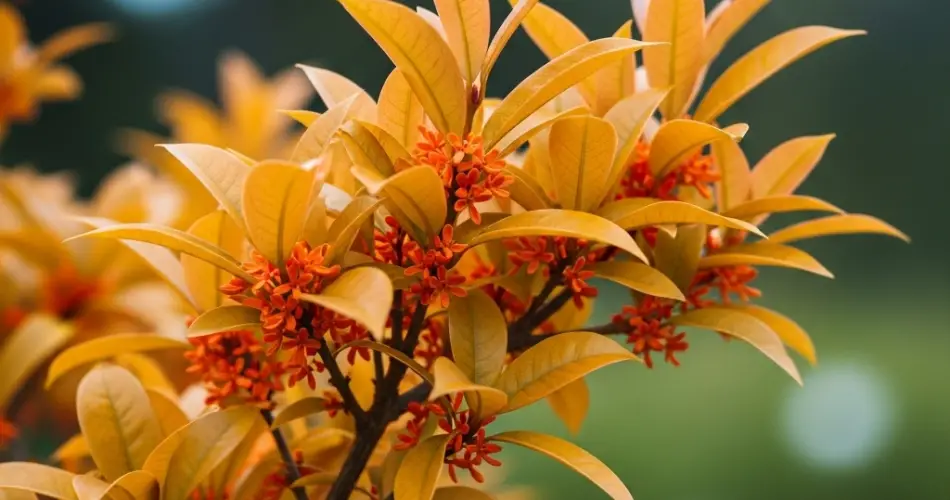
Growing orange trees in containers is an excellent way to enjoy fresh citrus even if you have limited space. Whether you have a sunny balcony, patio, or a small backyard, a potted orange tree can thrive and bear fruit with the right care. Here are the top tips to help your container-grown orange tree flourish.
1. Choose the Right Variety
Not all orange trees are well-suited for containers. For best results, select dwarf or semi-dwarf varieties. These are specially grafted to stay compact, making them ideal for pot cultivation.
Recommended varieties include:
-
‘Calamondin’ – a small, tart orange often used for marmalade.
-
‘Trovita’ – a sweet orange that grows well indoors or on patios.
-
‘Washington Navel’ – a classic sweet orange with minimal seeds.
-
‘Improved Dwarf Valencia’ – great for juicing and suitable for pots.
These types are more manageable in size and are bred to adapt well to container life.
2. Pick the Proper Pot
The size and material of the container can make a big difference in how well your orange tree grows. Start with a pot that is at least 18–24 inches wide and deep, with adequate drainage holes.
Tips:
-
Avoid pots that are too small; they restrict root growth and lead to poor fruiting.
-
Terracotta pots are breathable but dry out quickly, while plastic retains moisture longer.
-
Ensure there’s a saucer underneath if you’re placing the pot indoors or on a deck.
3. Use the Right Soil Mix
Orange trees need well-draining soil to prevent root rot. Use a high-quality potting mix designed for citrus or make your own by combining:
-
1 part potting soil
-
1 part perlite or coarse sand
-
1 part compost or aged manure
Good drainage is essential. Avoid garden soil, which tends to compact and suffocate the roots in pots.
4. Sunlight Is Key
Orange trees require at least 6–8 hours of direct sunlight daily. The more light, the better the growth and fruiting.
Best practices:
-
Place the container in the sunniest spot available.
-
Rotate the pot occasionally to ensure all sides receive light evenly.
-
If growing indoors, consider using a full-spectrum grow light during darker months.
5. Water Wisely
Watering potted orange trees can be tricky—too much or too little can harm the plant. These trees like consistent moisture but hate soggy soil.
Watering tips:
-
Water thoroughly when the top inch of soil feels dry.
-
In hot weather, check the soil daily.
-
Reduce watering in winter when growth slows down.
Always let excess water drain out. Never let the pot sit in standing water.
6. Feed Regularly
Orange trees in containers need more frequent feeding than those in the ground, since nutrients wash out of pots more quickly.
Fertilizer advice:
-
Use a citrus-specific fertilizer rich in nitrogen and containing micronutrients like magnesium, iron, and zinc.
-
Apply from early spring through late summer, typically once a month.
-
In fall and winter, reduce feeding as the tree enters dormancy or slows its growth.
Yellowing leaves often signal a lack of nutrients—adjust feeding accordingly.
7. Prune for Shape and Health
Pruning helps maintain a compact, attractive shape and encourages better airflow and light penetration. It also directs energy into fruit production.
How to prune:
-
In late winter or early spring, trim back overly long branches.
-
Remove any dead, damaged, or crossing branches.
-
Snip off any shoots growing below the graft line—they’re usually from the rootstock and not productive.
Don’t over-prune; leave enough foliage to support healthy photosynthesis.
8. Pollination and Fruit Set
While orange trees are self-pollinating, fruit production is often better with help. If grown outdoors, bees and other insects typically handle pollination. Indoor trees may need a boost.
Hand-pollination tip:
Use a small brush or cotton swab to gently transfer pollen between flowers. Do this during peak bloom to improve fruit set.
9. Protect from Pests and Diseases
Container-grown trees are vulnerable to pests like aphids, spider mites, and scale insects. Poor air circulation and excess moisture can also lead to fungal diseases.
Prevent issues by:
-
Checking leaves regularly for signs of pests or sticky residue.
-
Washing leaves with a mild soapy water spray if pests appear.
-
Ensuring good airflow around the tree and avoiding overcrowding.
Neem oil or insecticidal soap can also be used as a natural treatment.
10. Move Indoors During Cold Weather
Most orange trees are not frost-tolerant. If temperatures drop below 50°F (10°C), it’s time to bring the tree indoors or into a sheltered area.
Winter care tips:
-
Place near a bright, sunny window.
-
Keep away from heaters or drafty spots.
-
Water less frequently, but don’t let the soil go bone dry.
Conclusion
Growing orange trees in containers is a rewarding endeavor that brings a bit of the tropics to your home or garden. With proper variety selection, care, and attention to light, feeding, and watering, your tree will thrive and eventually reward you with fragrant blooms and delicious homegrown fruit.


