Each gardening season offers an opportunity to refine your plant selections—and when it comes to cucumbers, choosing the right variety can mean the difference between an average harvest and a bountiful one. After years of experimenting with dozens of cucumber types, many gardeners are narrowing their list down to just a few high-performing cultivars.
In 2025, three cucumber varieties stand out as champions for productivity, disease resistance, and flavor. These selections thrive in a wide range of climates, require minimal care, and consistently yield crisp, tasty cucumbers perfect for fresh eating and pickling. Whether you’re a backyard gardener or growing for market, these three varieties deserve a permanent spot in your garden beds.
1. Herman F1 – The Disease-Resistant Workhorse
Why it stands out:
Herman F1 is a hybrid cucumber variety bred for its outstanding disease resistance and steady productivity. It is resistant to powdery mildew, downy mildew, and cucumber mosaic virus—three of the most common problems that often devastate other varieties.
Features:
-
Early-maturing (40–45 days from sowing)
-
Short, compact vines suitable for smaller gardens or containers
-
Parthenocarpic (produces fruit without pollination)
-
Uniform, dark green cucumbers 10–12 cm in length
-
Crisp flesh, ideal for pickling and fresh salads
Ideal for: Urban gardens, greenhouses, raised beds, or any area where space is limited but production is a priority.
Tips: Since it doesn’t require pollination, Herman F1 performs well in covered environments where bee access is limited. It also continues producing even during cooler late-season days.
2. Nezhinsky – The Classic Pickling Cucumber
Why it stands out:
If you’re after traditional flavor and superb texture for pickling, Nezhinsky (also spelled Nezhinskii) remains a top-tier choice. This heirloom variety originates from Eastern Europe and is known for its firm skin and excellent fermentation qualities.
Features:
-
Medium-late maturity (50–55 days)
-
Hearty vine growth with strong lateral branches
-
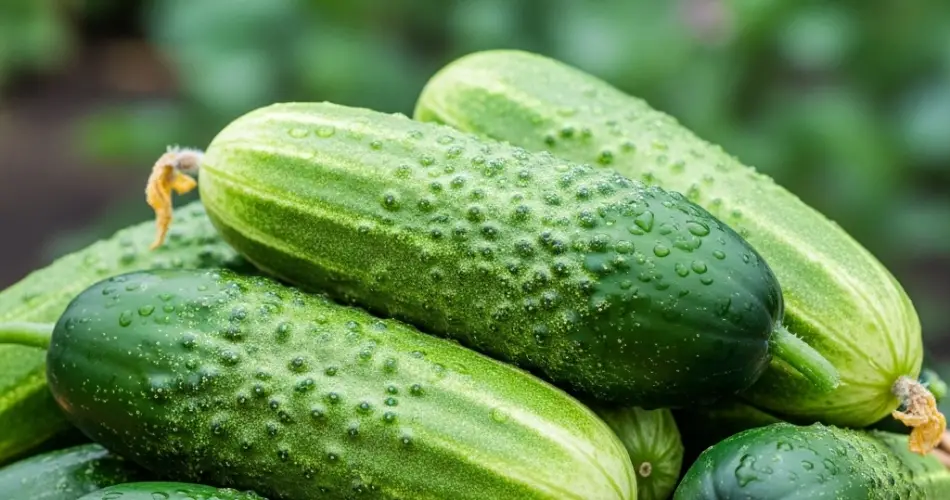
Thin, bumpy skin with light stripes
-
Excellent taste and crunch after pickling
-
High resistance to bacterial wilt
Ideal for: Home canning enthusiasts, organic growers, and anyone wanting a cucumber that performs well in soil beds with natural irrigation.
Tips: Nezhinsky thrives in fertile, well-drained soil. Make sure to pick the fruit regularly to encourage ongoing production. For a steady supply, stagger your sowing every two weeks during early summer.
3. Courage F1 – For Tonnes of Crisp Harvest
Why it stands out:
True to its name, Courage F1 is known for its vigor, resilience, and unmatched productivity. Gardeners who grow this hybrid frequently report harvests that far exceed expectations—even under heat stress or inconsistent watering conditions.
Features:
-
Mid-season maturity (45–50 days)
-
Cylindrical fruits, 12–14 cm long
-
Smooth skin with slight ribbing and few spines
-
High resistance to major cucumber diseases
-
Long fruiting period, even into late summer
Ideal for: Growers in hot or unpredictable climates, and anyone looking to maximize yield with minimal effort.
Tips: Support Courage F1 on a vertical trellis for the best air circulation and fruit development. Apply organic mulch to retain soil moisture and reduce stress on roots during summer heatwaves.
Why These Three Are Garden Favorites
These varieties have earned their spot through consistent performance across different conditions. Here’s what sets them apart collectively:
-
Disease Resistance: All three varieties are either hybrid-bred or naturally resistant to common cucumber illnesses, meaning fewer sprays and less worry for the grower.
-
High Yields: These plants produce heavily throughout the season, reducing the need for replanting or dealing with gaps in production.
-
Versatility: Whether you’re growing for slicing, pickling, or fresh snacking, at least one of these varieties will suit your culinary needs.
-
Climate Adaptability: From cool spring conditions to hot midsummer temperatures, these cucumbers continue to thrive when others may struggle.
Tips for Growing an Abundant Cucumber Harvest in 2025
No matter the variety you choose, following these cultivation tips will ensure your cucumbers perform at their best:
-
Plant in full sun: Cucumbers need at least 6–8 hours of sunlight daily.
-
Provide support: Trellises or cages improve air circulation and ease harvesting.
-
Mulch deeply: Retains moisture and suppresses weeds.
-
Water consistently: Uneven watering can lead to bitter fruits or blossom-end rot.
-
Feed organically: Apply compost tea or liquid seaweed every 10–14 days during the fruiting period.
-
Harvest often: Frequent picking encourages continuous production.
Final Thoughts
In 2025, save yourself time, effort, and disappointment by sticking to cucumber varieties that are proven performers. Herman F1, Nezhinsky, and Courage F1 bring together productivity, flavor, and disease resistance in one unbeatable trio. Whether you’re new to gardening or a seasoned grower, planting these varieties is a surefire way to enjoy a season full of crisp, healthy, and delicious cucumbers—by the ton.


