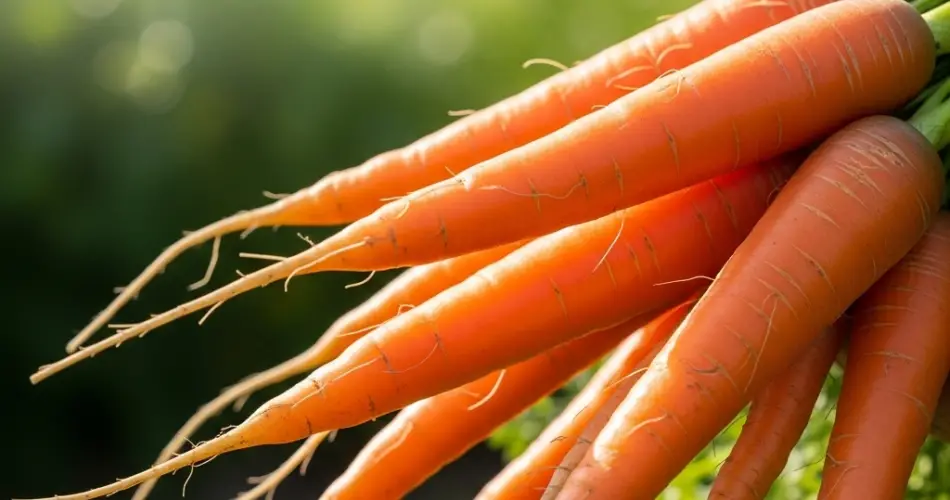
Choosing the right carrot variety can make all the difference between a disappointing harvest and a basket full of sweet, crisp, vibrant carrots. Over the years, many gardeners have experimented with different cultivars, only to find that some crack, others grow misshapen, and a few lack that desirable sweetness.
After much trial and error, this selection of carrot varieties has stood out for their resilience, productivity, taste, and overall performance. In 2024, these will be the only carrot types worth planting. Whether you’re gardening in raised beds, open ground, or deep containers, these varieties promise excellent results.
Why Carrot Variety Matters
Carrots may seem simple to grow, but their performance varies widely depending on variety and conditions. The ideal carrot variety should:
-
Grow straight and uniform for easy harvesting and cleaning
-
Be sweet and crisp for fresh eating and juicing
-
Resist cracking, even in uneven watering conditions
-
Store well over the winter months
-
Mature at a reliable rate, avoiding pest damage or bolting
The varieties listed below meet all these criteria and are particularly well-suited to a range of climates and soils.
1. Nantes 2
A timeless favorite among gardeners, Nantes 2 produces smooth, cylindrical roots with a bright orange color. This mid-season carrot is prized for its sweet flavor, crunchy texture, and consistent shape.
-
Maturity: 70–80 days
-
Taste: Mild and sweet
-
Benefits: Rarely cracks, stores well, perfect for fresh use or short-term storage
Best planted in loose, well-tilled soil. Ideal for regions with moderate summer temperatures.
2. Berlicum
Berlicum is a classic Dutch variety known for its long, thick roots and smooth skin. It’s a great option for heavy or clay soils, where finer varieties might fork.
-
Maturity: 80–90 days
-
Taste: Mildly sweet with a robust carrot flavor
-
Benefits: High yields, resists cracking, stores well into winter
Great for juicing, cooking, or fresh eating.
3. Chantenay Royal
Chantenay varieties are known for their short, stocky shape and adaptability to poor or shallow soils. The Royal variety takes this a step further, producing vibrant, conical roots with excellent taste and texture.
-
Maturity: 65–75 days
-
Taste: Very sweet, especially after a light frost
-
Benefits: Grows well in compacted or clay-heavy soils, rarely splits
A fantastic choice for early or late-season plantings.
4. Bolero F1
This hybrid variety is a powerhouse when it comes to disease resistance and reliable performance. Bolero F1 offers uniform roots, strong tops, and an exceptionally sweet flavor, especially when harvested in cooler temperatures.
-
Maturity: 75–80 days
-
Taste: Very sweet and crisp
-
Benefits: Highly resistant to carrot fly, alternaria, and powdery mildew
Bolero is ideal for gardeners who want a dependable, stress-free crop with great storage potential.
5. Kuroda
A Japanese variety bred for flavor and tenderness, Kuroda carrots are short and broad, with a deep orange color and low fiber content. Perfect for home cooks who want soft, sweet carrots that don’t require peeling.
-
Maturity: 80–85 days
-
Taste: Very sweet, soft, low in bitterness
-
Benefits: Excellent in warm climates, does well in less-than-ideal soil
Kuroda is a favorite among those who grow for market or home preserves.
Planting Tips for a Successful 2024 Carrot Harvest
-
Soil Preparation: Carrots grow best in loose, stone-free soil. Deep beds or raised rows prevent forking and promote straight roots.
-
Sowing: Sow seeds directly into the soil, about 0.5–1 cm deep, with 2–3 cm spacing. Thin seedlings as they grow to avoid crowding.
-
Watering: Maintain consistent soil moisture—uneven watering can lead to cracking or stunted growth.
-
Sunlight: Carrots need full sun (at least 6 hours daily) for optimal root development.
-
Companion Planting: Grow carrots alongside onions or leeks to deter carrot flies.
Harvest and Storage
Carrots are ready to harvest when they reach the desired size and color. Most varieties benefit from a light frost, which enhances sweetness. After harvesting:
-
Trim the tops to 1–2 cm
-
Wash gently and let them dry
-
Store in damp sand, cool cellar conditions, or in perforated plastic bags in the fridge
Proper storage can extend freshness for several months.
Final Thoughts
Not all carrots are created equal. By choosing these top-performing varieties—Nantes 2, Berlicum, Chantenay Royal, Bolero F1, and Kuroda—you ensure a harvest that is not only abundant but also delicious, attractive, and easy to manage.
Whether you’re growing for fresh eating, winter storage, or culinary creativity, planting the right varieties in 2024 will set your garden up for success. Focus on soil health, consistent care, and choosing proven varieties—and your carrots will do the rest.


