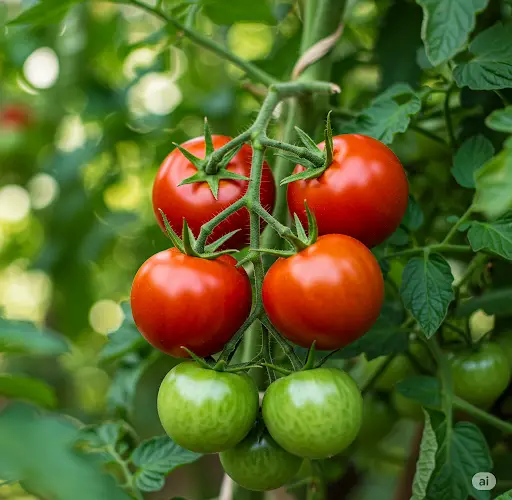
Tomatoes are one of the most popular crops in home gardens—but they’re also one of the most sensitive. If you’ve noticed that your tomato leaves are turning yellow, don’t ignore it. Yellowing is a clear signal that something is wrong, and if not addressed promptly, it can reduce yields or even lead to the loss of the entire plant.
The good news? In most cases, yellowing leaves can be corrected quickly with the right diagnosis and care. Here’s how to identify the cause and apply a fast, effective solution so your tomato plants can recover and thrive.
Why Tomato Leaves Turn Yellow
Before jumping into a solution, it’s essential to understand why your tomato leaves might be yellowing. The most common reasons include:
-
Nutrient Deficiencies
-
Overwatering or Underwatering
-
Pests and Diseases
-
Soil Imbalance
-
Lack of Sunlight or Cold Stress
Let’s break down each of these causes and offer practical, immediate steps you can take to reverse the damage.
1. Nutrient Deficiency – The Most Common Cause
Tomatoes are heavy feeders. If their soil lacks essential nutrients, particularly nitrogen, magnesium, or iron, leaves will start yellowing—often from the bottom up.
Symptoms:
-
Older leaves turn pale yellow while veins remain green (nitrogen deficiency).
-
Interveinal yellowing in younger leaves (iron or magnesium deficiency).
-
Poor growth or weak stems.
Quick Fix:
Apply a fast-acting, balanced liquid fertilizer or organic foliar spray. Here are a few proven options:
-
Compost tea or vermicompost extract
-
Nettle infusion (high in nitrogen and micronutrients)
-
Fish emulsion diluted in water (for a nutrient-rich boost)
-
Magnesium sulfate (Epsom salts) – 1 tablespoon per liter of water sprayed directly on the leaves
Apply early in the morning or late in the afternoon for the best absorption.
2. Improper Watering – Too Much or Too Little
Tomatoes need consistent moisture, but too much water can drown the roots and cause yellowing, while too little leads to stress and nutrient lockout.
Symptoms:
-
Yellowing starting from the lower leaves.
-
Leaves may droop or curl.
-
Soil is either soggy or bone dry.
Solution:
-
Water deeply, but only when the top 2–3 cm of soil is dry.
-
Avoid watering the leaves—apply water directly to the soil.
-
Ensure good drainage. If water pools around the roots, it’s time to amend your soil or plant in raised beds.
3. Pests and Diseases
Insect pests like aphids, whiteflies, and spider mites feed on tomato leaves, sucking out sap and introducing toxins that cause yellowing.
Fungal infections such as early blight or fusarium wilt can also start with yellow leaves and progress quickly if untreated.
Symptoms:
-
Yellowing with spots, speckling, or mold.
-
Sticky residue or visible insects on the undersides of leaves.
-
Wilting or browning along with yellowing.
Solution:
-
Spray a mixture of water + a few drops of dish soap or neem oil to control insects.
-
Remove and discard affected leaves.
-
Apply an organic fungicide (e.g., baking soda + water + a drop of soap, or a copper-based spray) for early fungal infections.
-
Improve airflow between plants by pruning lower leaves and spacing plants properly.
4. Soil pH and Quality Issues
If your soil is too acidic or too alkaline, even when nutrients are present, tomatoes may not absorb them properly, leading to yellow leaves.
Solution:
-
Test your soil’s pH. Tomatoes grow best between 6.0 and 6.8.
-
Add dolomitic lime if the soil is too acidic.
-
Add compost or organic matter to improve soil structure and nutrient availability.
5. Cold or Light Stress
Tomatoes are warm-season plants. If exposed to chilly nights or insufficient sunlight, their leaves may turn yellow and stop growing.
Solution:
-
Ensure plants receive at least 6–8 hours of sunlight per day.
-
Use row covers or cloches if nights are too cold.
-
If growing indoors, move seedlings to a brighter window or use supplemental grow lights.
Immediate Reviving Tonic for Yellow Tomato Leaves
Here’s a simple, all-natural solution you can make and apply to support struggling tomato plants:
Ingredients:
-
1 liter of warm, settled water
-
1 tablespoon of wood ash (rich in potassium and calcium)
-
1 teaspoon of Epsom salt (magnesium boost)
-
A few drops of liquid seaweed or fish emulsion (optional)
Instructions:
-
Dissolve the wood ash and Epsom salt in water.
-
Let sit for 15–30 minutes.
-
Water plants at the base, and mist lightly on leaves if needed.
Repeat once per week until plants recover.
Preventing Yellowing in the Future
-
Use mulch to retain moisture and suppress disease.
-
Rotate crops to prevent soil-borne diseases.
-
Fertilize regularly during the growing season.
-
Inspect plants weekly for signs of pests or deficiencies.
Final Thoughts
Yellow tomato leaves may look alarming, but with quick attention and a targeted response, your plants can recover and continue to grow strong and healthy. By identifying the root cause—whether it’s nutrients, water, pests, or soil—you can act decisively and protect your tomato harvest.
Healthy, green leaves mean vigorous plants and plenty of juicy, flavorful tomatoes. Don’t wait—address yellowing the moment it appears, and your garden will thank you.


