July, with its scorching temperatures, might seem challenging for planting, but there’s still hope for a thriving autumn harvest. Despite the harsh weather conditions, strategic choices and empty spaces in your garden can be utilized for a variety of warm-season vegetables that promise good yields in the fall. Here’s a guide to the vegetables you can plant at the end of July to ensure a successful autumn harvest.
1. Summer Squash:
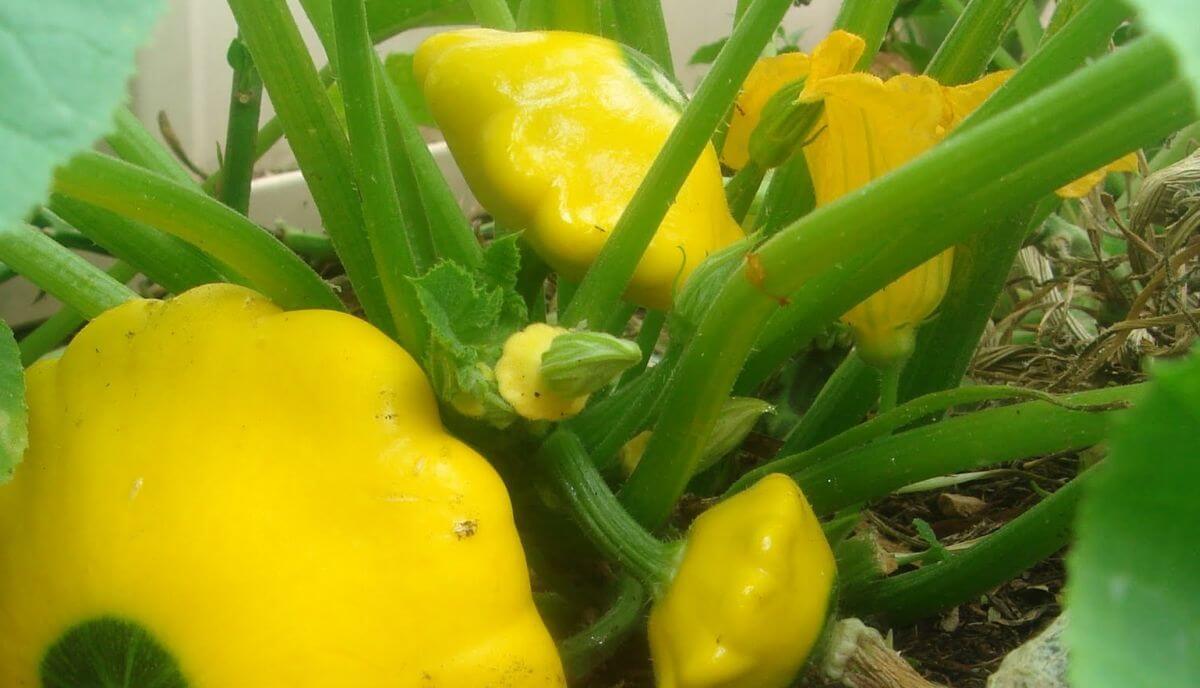
- Varieties like zucchini, butternut, or squash, planted between early and mid-July, can yield fruits until the first frosts in November. A July planting may even combat powdery mildew, offering a fresh harvest well into autumn.
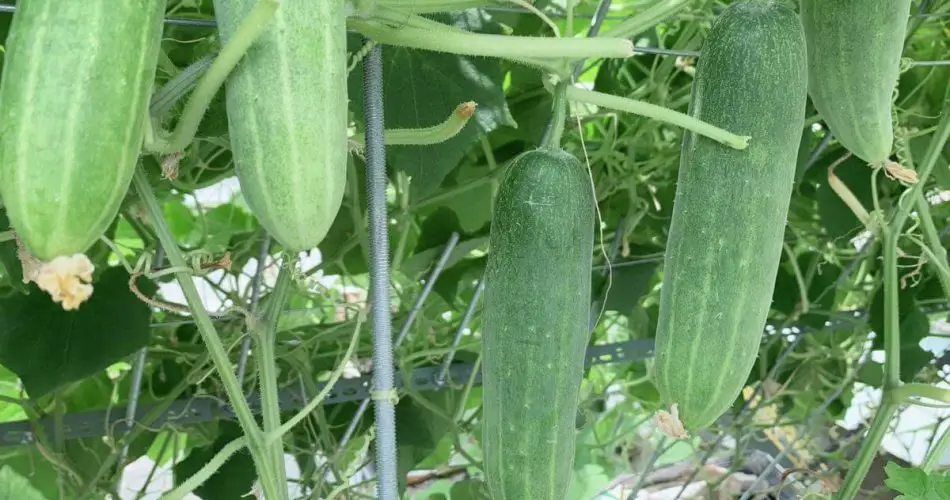
2. Cucumbers:
- Consider a second planting of cucumbers in early July. These fresh plants will start producing in September, contributing to your fall harvest. Trellising is recommended, and if the cucumbers are still small in September, they can be perfect for making pickles.
3. Onion Plants:
- Though they won’t form bulbs, onions planted deep and close together in July can provide fresh green onions throughout the fall. Look for nursery-grown onion plants for a convenient start.
4. Kale or Kale:
- Planting kale, whether from seedlings or seeds, in July sets the stage for an excellent fall and even winter harvest. Wait until fall sets in and frost hits for the best kale flavor.
5. Crisp Summer Lettuces:
- Summer lettuce varieties thrive when directly planted in the garden in July and August. Resistant to bolting and tip burn, these lettuces offer an early harvest for refreshing salads.
6. Autumn Peas:
- Don’t forget fall peas, such as snow peas or shelling peas, planted around July 15. Snow peas particularly flourish in the fall, providing a good harvest in late fall.
7. Green Beans:
- Many green bean varieties have a short growing time, with maturity dates of 60 to 70 days. A planting in early July ensures a harvest no later than mid-September, extending if the first frosts arrive late.
8. Leeks:
- Midsummer is ideal for planting leeks for a fall harvest. Depending on your region’s winter conditions, you can either sow seeds directly or start seedlings indoors for later transplantation.
It’s crucial to remember that the heat in July can be tough on young shoots. Consistent watering, possibly even daily during the initial weeks, is essential to help your July plantings thrive. If your garden has vacant spaces or experienced setbacks during spring, seize the opportunity to water regularly and plant these vegetables to enjoy a successful autumn harvest. If you’ve missed spring plantings, worry not—it’s not too late to sow seeds and revel in a fruitful harvest. Your garden’s potential is in your hands!