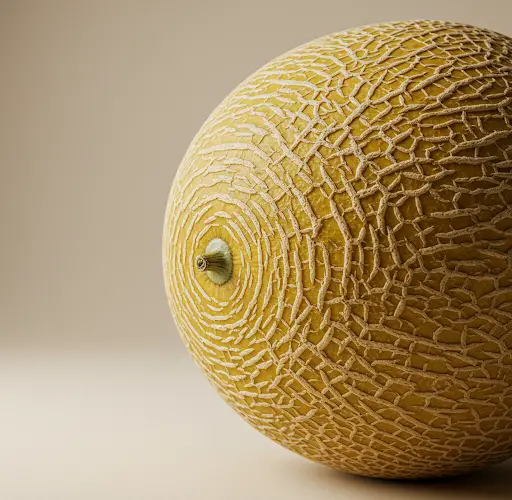
Tips for Growing Golden Honeydew Melons for Large, Sweet Fruits at Home
Golden honeydew melons are prized for their smooth golden rind, juicy flesh, and sweet flavor. Growing them at home can be an exciting and rewarding experience, allowing you to enjoy fresh, organic melons straight from your garden. However, achieving large, flavorful melons requires the right techniques and care. In this guide, we’ll take you through the essential steps to successfully grow golden honeydew melons from seeds and ensure a bountiful harvest.
Why Grow Golden Honeydew Melons at Home?
Golden honeydew melons are not only delicious but also packed with vitamins and hydration. Homegrown melons are free from pesticides and preservatives, making them healthier and more flavorful than store-bought varieties. Plus, growing your own melons can be a cost-effective way to enjoy this refreshing fruit all summer long.
Choosing the Right Seeds
Selecting high-quality seeds is the first step in growing successful golden honeydew melons. Consider the following when choosing seeds:
- Heirloom vs. Hybrid: Heirloom seeds produce natural and often more flavorful melons, while hybrids may offer better disease resistance and higher yields.
- Certified Organic Seeds: These ensure you’re growing non-GMO, chemical-free melons.
- Reputable Seed Suppliers: Purchase seeds from trusted garden centers or online stores known for high germination rates.
Preparing the Soil for Maximum Growth
Golden honeydew melons thrive in nutrient-rich, well-drained soil. Here’s how to prepare the best growing environment:
- Test the Soil pH: Melons prefer a slightly acidic to neutral pH (6.0-6.8). Amend the soil with lime (to raise pH) or sulfur (to lower pH) if needed.
- Enrich with Organic Matter: Mix compost, aged manure, or organic fertilizer into the soil to provide essential nutrients.
- Ensure Proper Drainage: Avoid compacted soil by loosening it with a garden fork and incorporating sand or perlite for better aeration.
- Create Raised Beds or Mounds: This improves drainage and warms the soil faster, helping seeds germinate quicker.
Planting Golden Honeydew Melon Seeds
Golden honeydew melons grow best in warm conditions, so timing your planting is crucial:
- Start Indoors (Cool Climates): If your growing season is short, start seeds indoors 3-4 weeks before the last frost and transplant them outdoors once temperatures are consistently above 65°F (18°C).
- Direct Sowing (Warm Climates): Plant seeds directly in the garden after the last frost when the soil temperature is at least 70°F (21°C).
How to Plant the Seeds:
- Spacing: Sow seeds in small mounds, planting 2-3 seeds per hill, about 1 inch deep. Space mounds 3-4 feet apart to allow room for vine growth.
- Thinning: Once seedlings develop two sets of true leaves, thin them to the strongest plant per mound.
- Companion Planting: Plant melons near corn, sunflowers, or basil to improve pollination and deter pests.
Providing Optimal Watering and Nutrition
Golden honeydew melons need consistent moisture and nutrients to produce large, sweet fruits:
- Water Deeply and Consistently: Provide 1-2 inches of water per week, increasing during hot, dry periods.
- Use Drip Irrigation or Soaker Hoses: Avoid overhead watering to prevent fungal diseases.
- Reduce Watering Before Harvest: Cut back on watering as melons ripen to concentrate sugars for better sweetness.
- Fertilize Regularly: Use a balanced fertilizer (10-10-10) during early growth, switching to a phosphorus-rich formula (5-10-10) once flowering begins.
Encouraging Pollination for Better Fruit Set
Since honeydew melons rely on pollination, you can improve fruit set by:
- Attracting Pollinators: Grow bee-friendly flowers nearby, such as lavender or marigolds.
- Hand Pollination: Use a soft brush to transfer pollen from male to female flowers if natural pollination is insufficient.
- Providing Proper Spacing: Allow good airflow to encourage pollinators to visit your plants.
Training Vines for Better Growth
Golden honeydew melons grow on sprawling vines, which can be managed for better yields:
- Use a Trellis (Optional): If growing in small spaces, train vines vertically on a strong trellis.
- Mulch Around Plants: Apply straw or wood chips around the base to retain moisture and suppress weeds.
- Prune Excess Growth: Remove unnecessary side shoots to direct more energy into fruit production.
Preventing Pests and Diseases
Golden honeydew melons are susceptible to pests and diseases. Here’s how to protect them:
- Common Pests:
- Aphids – Spray with neem oil or introduce ladybugs.
- Cucumber Beetles – Use floating row covers to block them.
- Squash Bugs – Hand-pick bugs and remove eggs from leaves.
- Common Diseases:
- Powdery Mildew – Prevent with proper spacing and airflow.
- Fusarium Wilt – Rotate crops yearly to reduce soil-borne diseases.
- Downy Mildew – Apply organic fungicides when necessary.
How to Know When Golden Honeydew Melons Are Ready to Harvest
Knowing when to harvest is key to getting the best flavor. Look for these signs:
- Color Change: The rind turns from green to a golden-yellow hue.
- Texture Test: The skin becomes slightly waxy and smooth.
- Sweet Aroma: A ripe melon gives off a fragrant, sweet smell.
- Stem Check: The stem should start to separate easily from the fruit when fully mature.
Once harvested, allow the melons to ripen at room temperature for a few days before refrigerating them for the best taste.
Storing and Enjoying Your Homegrown Golden Honeydew Melons
- Short-Term Storage: Keep whole melons at room temperature for up to a week.
- Refrigeration: Store cut melon in an airtight container and refrigerate for up to five days.
- Freezing: Blend into purées or cut into chunks before freezing for smoothies and desserts.
- Serving Ideas: Enjoy fresh, in fruit salads, smoothies, or paired with cured meats and cheeses.
Conclusion
Growing golden honeydew melons at home is a rewarding experience that allows you to enjoy fresh, sweet, and organic fruit right from your garden. By selecting quality seeds, providing the right soil conditions, watering properly, encouraging pollination, and managing pests, you can produce large, juicy melons with incredible flavor.
With patience and care, your homegrown honeydew melons will be the highlight of your summer garden. Start planting today and enjoy the fruits of your labor!


