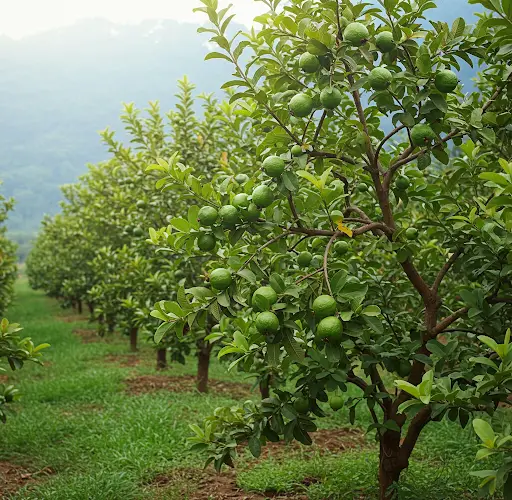
Tips for Propagating Guava Trees by Cuttings with Aloe Vera for Beginners
Guava trees are one of the most rewarding fruit trees to grow at home. They are fast-growing, produce delicious fruit, and require minimal care once established. If you want to propagate guava trees without using seeds, the cutting method is one of the best techniques. Using aloe vera as a natural rooting hormone significantly improves success rates by enhancing root growth and protecting against infections. This guide will walk you through the step-by-step process of propagating guava trees by cuttings with aloe vera, making it easy for beginners to succeed.
Why Use Aloe Vera for Guava Cuttings?
Aloe vera contains natural enzymes, vitamins, and plant hormones that promote root development and protect against bacterial and fungal infections. It also retains moisture, which is crucial for cuttings to survive and develop roots. Compared to synthetic rooting hormones, aloe vera provides a natural and organic way to enhance propagation success.
Materials Needed
- Healthy guava branches (semi-hardwood cuttings, 6-8 inches long)
- A fresh aloe vera leaf
- A sharp and sterilized pruning shear
- Small pots or containers with drainage holes
- Well-draining potting mix (peat moss, perlite, and garden soil)
- Plastic wrap or a humidity dome
- Watering can or spray bottle
- Rooting tray (optional)
Step-by-Step Guide to Propagating Guava Trees by Cuttings with Aloe Vera
1. Selecting the Right Guava Cutting
Choose a healthy guava branch with semi-hardwood growth. Avoid very young or old branches, as young ones may wilt quickly and old ones may struggle to root. The ideal cutting should be about 6-8 inches long with at least 3-4 leaves.
2. Preparing the Guava Cuttings
Using a sterilized pruning shear, cut the selected branch at a 45-degree angle. This increases the surface area for rooting and helps absorb moisture more effectively. Remove any excess leaves, leaving only 2-3 at the top to reduce moisture loss through transpiration.
3. Extracting Aloe Vera Gel
Take a fresh aloe vera leaf and cut it open to expose the gel. Scoop out the gel using a spoon or directly dip the base of the guava cutting into the gel. Aloe vera serves as a natural rooting hormone and a protective barrier against pathogens.
4. Planting the Cuttings
Fill a small pot or container with well-draining potting mix. Make a hole in the soil using a stick or pencil and insert the aloe-coated cutting about 2-3 inches deep. Gently firm the soil around the base to provide stability.
5. Providing the Right Conditions
Place the potted cuttings in a warm, shaded area with indirect sunlight. Keep the soil consistently moist but not waterlogged. You can cover the cuttings with plastic wrap or a humidity dome to maintain high humidity, which helps in root development.
6. Monitoring and Caring for the Cuttings
- Check the soil moisture daily and mist the leaves occasionally to prevent drying.
- Avoid direct sunlight, as it may stress the cuttings.
- After 3-4 weeks, gently tug the cuttings to check for resistance, indicating root formation.
7. Transplanting Rooted Guava Cuttings
Once the cuttings have developed strong roots (after 6-8 weeks), they can be transplanted into larger pots or directly into the garden. Choose a sunny location with well-draining soil and water regularly to establish healthy growth.
Common Mistakes to Avoid
- Using unhealthy or weak cuttings: Always choose disease-free and sturdy branches.
- Overwatering: Too much water can cause rot and fungal infections.
- Placing cuttings in direct sunlight: Guava cuttings need indirect light until roots are fully established.
- Skipping the use of aloe vera: Aloe vera significantly increases the success rate of propagation.
Final Thoughts
Propagating guava trees by cuttings using aloe vera is an easy and effective method for beginners. By following these steps, you can grow your own guava trees at home without the need for expensive rooting hormones. With proper care and patience, your cuttings will establish strong roots and develop into healthy, fruit-bearing trees. Happy gardening!


